










From Burnout to Bold: How to Lead a Limitless Life Aligned with Your Values with Dr. Esther Zeledón (Re-release)



















Does this sound familiar? You’ve been told to just keep grinding it out in your current job until the “right” opportunity magically appears, but all that’s gotten you is more stress, second-guessing, and the nagging feeling you’re wasting your potential. It sucks watching your energy drain away while your values get sidelined and you wonder if you’ll ever feel truly fulfilled at work. You deserve a career that’s actually aligned with who you are and the impact you want to make. Let’s talk about how to break out of that cycle and make values-driven pivots with confidence.
In this episode, you will be able to:
-
Discover how navigating career transitions with purpose can unlock clarity and confidence for your next meaningful move.
-
Learn to build a mission-driven organizational culture that inspires teams and drives lasting impact.
-
Uncover effective strategies for overcoming burnout in leadership to sustain your passion and performance.
-
Explore the powerful connection between personal fulfillment and professional success to elevate your career satisfaction.
-
Embrace the role of culture and inclusion in innovative leadership to foster creativity and breakthrough solutions.
My special guest is Dr. Esther Zeledón
Dr. Esther Zeledón is a globally recognized life and leadership coach, bestselling author, and former U.S. diplomat. With a Ph.D. from UC Berkeley and decades of impact in international development, she’s worked with governments, NGOs, and global corporations alike. Featured on Univision, Ticker News, Medium, and top 1–5% podcasts, Dr. Z empowers leaders to unlock their limitless potential through a powerful blend of neuroscience, strategy, and soulful insight.
The key moments in this episode are:
00:00:00 - Introduction to Trauma-Informed Leadership and Global Impact
00:04:19 - Reflections on Venezuelan Elections and the Importance of Collective Action
00:09:32 - U.S. Political Unity and Leadership Transition Insights
00:13:30 - Challenges and Opportunities in Diverse Political Coalitions
00:03:46 - Introducing Dr. Esther Zeledón: Strategist, Scientist, and Global Leadership Coach
00:14:43 - Collective Action and Individual Clarity for Social Change
00:18:20 - Empowering Communities Through Shared Vision and Ownership
00:21:33 - Challenging Scarcity Mentality in Immigration Narratives
00:24:50 - The Impact of Scarcity vs. Abundance Mindsets on Society
00:26:57 - Early Social Conditioning Shapes Scarcity or Abundance Mindsets
00:27:55 - Overcoming Scarcity Mindset and Embracing Abundance
00:29:23 - Immigration Realities and the Importance of Inner Work
00:32:43 - Personal Immigration Story and Access to Healthcare
00:35:46 - Navigating Systems, Networks, and Immigrant Challenges
00:38:01 - Bilingualism, Discrimination, and Overcoming Educational Barriers
00:40:36 - Overcoming Bias and Authenticity in Leadership
00:42:08 - Challenging Leadership Stereotypes and the Need for DEI Awareness
00:44:11 - Writing "Creating Your Limitless Life" to Inspire and Empower
00:48:02 - Navigating Scarcity Mindset and Building Empathy for Change
00:50:56 - Resources for Personal Growth and Creating a Limitless Life
-
Send this episode to five people who care about making the world better.
-
Tap 5 stars, and leave a quick review for the podcast.
-
Join the Master the Career Pivot course at LoriAdamsBrown.com/CareerPivot. (Use the code: Different to get 10% off.)
Learn more about your ad choices. Visit megaphone.fm/adchoices
Follow the podcast at:
- https://www.youtube.com/@aworldofdifference
- https://www.aworldofdifferencepodcast.com
- https://www.linkedin.com/company/aworldofdifference/
- https://www.twitter.com/@awodpod
- https://www.instagram.com/aworldof.difference/
Join our Difference Maker membership community for a ton of exclusive content for as little as $5/month. (The price of your a latte at your local coffee shop to enjoy a whole month of content.) Lori's Travel Tips are included as well as exclusive minisodes with our guests not available anywhere else. Join for deeper conversations and a little fun today at https://www.patreon.com/aworldofdifference
Keep making a difference wherever you are!
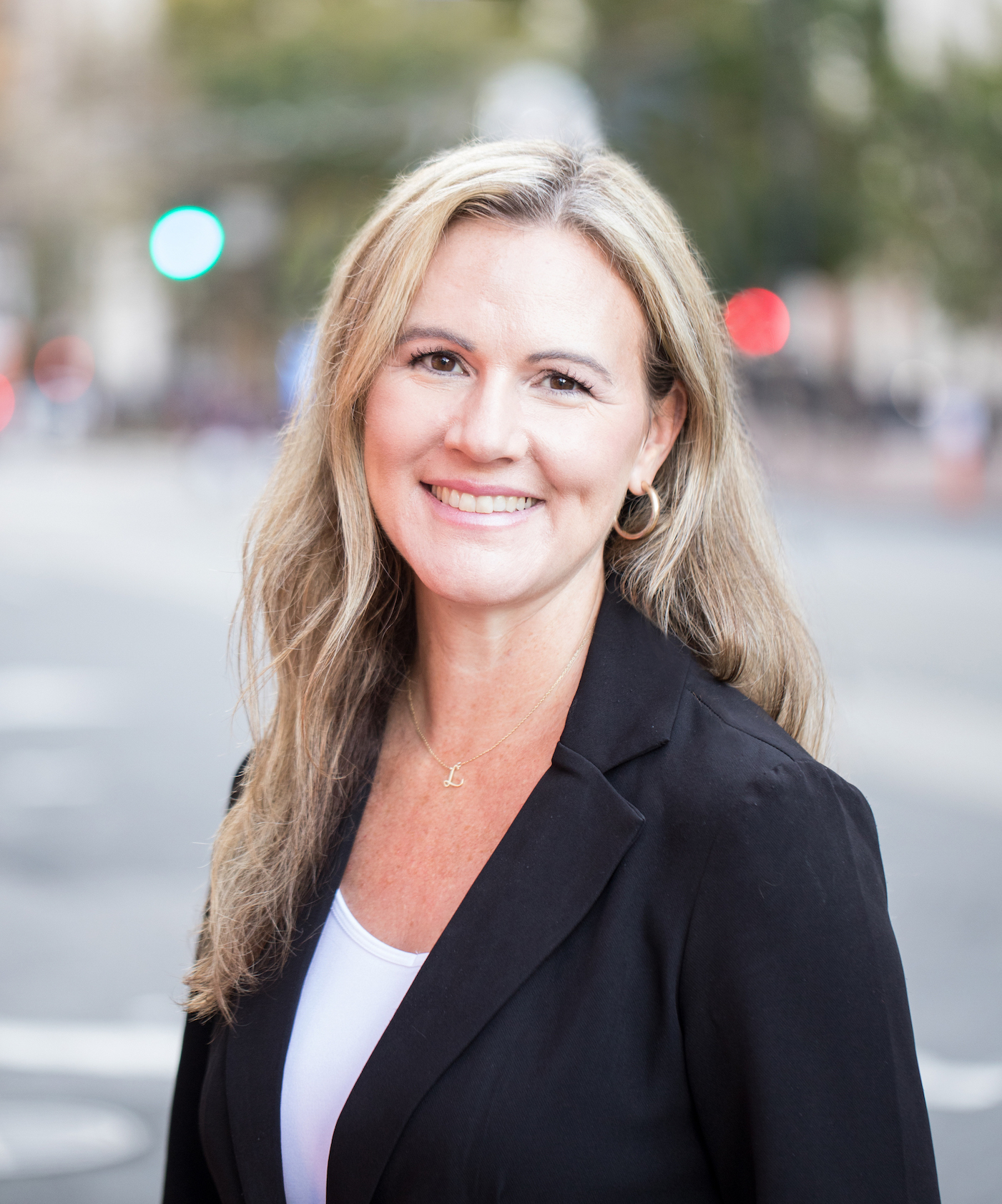
Lori Adams-Brown, Host & Executive Producer
A World of Difference Podcast
00:00:00
Hey difference makers. A quick pause before we dive into the episode. If you've been enjoying these conversations and you want to take the impact even deeper, I'd love to invite you to subscribe to my Substack newsletter. It's where I unpack the behind the scenes insights from each episode of A World of Difference and share practical, thought provoking tools on trauma informed leadership across cultures, inclusive talent development and global organizations. When what the most forward thinking Chros and CEOs are doing right now and how you can make an impact in your workplace whether a nonprofit business or faith based spaces.
00:00:34
When you subscribe, you'll instantly get my free guide 3 Strategies for Trauma Informed Leadership. Is it designed for leaders navigating cross cultural teams and high change environments? Just head to Loriadamsbrown.substack.com or click the link in the show notes to sign up. That's Loriadamsround.substack.com where leadership meets best purpose values and difference becomes our greatest strength. All right, let's get back to the show because our world is different and we were born to make a difference in it.
00:01:05
Welcome to the A World of Difference podcast. I'm Lori Adams Brown and this is a podcast for those who are different and want to make a difference. Hey difference makers. Are you a corporate executive navigating transformation, leading global teams, or scaling a mission driven culture? Or maybe you're a high achiever who's hit the benchmarks, promotions, titles, milestones that expat roll overseas you always wanted, but you're quietly wondering, is this really all there is?
00:01:35
If that resonates. This rerelease episode with Dr. Esther Celadon is your breakthrough moment, the kind that realigns your mindset, your leadership and your sense of purpose. So whether you're listening to this driving to Yosemite or Yellowstone on a road trip this summer, or on a train trip across Europe or maybe one of. Those really long trans Pacific flights from the US to Asia or back. I want you to know that Dr. Z is a powerhouse blend of strategist and soul.
00:02:09
She's a former US Diplomat, a scientist, a best selling author and a life coach. Trusted by global leaders, entrepreneurs and high impact organizations, her career spans boardrooms and grassroots villages, bringing a global perspective that's rich, rare and deeply needed in today's workplace. This episode is for you if you're ready to reignite your leadership with purpose and clarity, navigate burnout and big transitions with more courage, align your professional impact with your personal blueprint, lead your team and your life with more intention, vision, and freedom. Dr. Z drops insight after insight on how to create what she calls a a limitless life, one that integrates strategic clarity with personal fulfillment. She blends neuroscience, coaching and international experience into actionable wisdom for leaders who are ready to level up without burning out.
00:03:07
Whether you're a CEO driving legacy transformation, a nonprofit leader in an African village somewhere really wonderful, a chro building a culture of belonging, or a founder scaling fast. And this conversation is your reminder that sustainable success starts within. No fluff, no filters, just real talk and powerful takeaways to help you lead with more energy, empathy, and edge. Let's dive into this bold and transformative conversation once again with the incredible Dr. Esther Celedon.
00:03:46
Hello, Esther, and welcome to this conversation today where we bring our differences around the table here on the World of Difference podcast. I'm so excited to have you on the show today. I'm so excited to be here. Well, it's awesome to meet you and I'm so looking forward to this conversation because we have some event diagram of concentric circles that we intersect around, but sort of just right out the gate, something that's really big in my world right now and kind of all over the world people are reacting to, which is the election. In Venezuela, where I grew up, we expected it to not be transparent, and it turns out it has not been.
00:04:26
So as we're recording this, the Carter center and even the US Sort of officially, as well as other countries have come out and said, you know, we would love to see some transparency, because it appears as though, you know, Maduro did not win, but he's claiming another victory. I'd love to hear your thoughts around what you've observed in Venezuela in the current election. And yeah, we would love to hear your perspective on all of it. So what do you have to say about the Venezuelan elections? Yeah, Yeah.
00:04:55
I mean, I'm going to take a different angle on it. Not so much on the, I guess, on the political side. I think for me, like, my first reaction when I saw it was fearful of people losing their fire inside and, like, their aspirations. And I think, like, that's the lens right where I see the world. And I think that is the danger of not having transparency.
00:05:19
Right. Like, if you don't have transparency and there's not that trust, then you start to think about any aspiration you have that you're like, well, there's no hope. Right. So what's the point of coming together for collective action? Or what does that mean for my own goals?
00:05:36
And dreams that I had hope for and I'm there. I don't even know anymore if it's possible or feasible. So I think like that was my first reaction is that for the people there, like what does that mean for them? But at the same time I hope, you know, I hope what this does is in some way awaken right other trailblazers right in the country or outside the country that we can't keep allowing this to happen. Because I mean I'm from Nicaragua, so similar, I was born there and similar situation there.
00:06:15
But I would say, you know, it's also taking a look at history and going. But at first everyone decided to forget about what happened in the 80s and in that case they elected him at first, you know, now future elections are very similar to what's going on in Venezuela. But they elected right. And so because they was like, oh well, we're just going to choose the lesser of the evil. But see, for me that's giving up on your aspirations with collective power.
00:06:45
And then I think like there was, there was opportunity for other people to come, but those candidates didn't come together, you know, and come together for collective power to fight against this. Instead it was like a lot of the candidates all trying with their own agendas. And so for me it was like a lesson too that we need to come together for shared mission and vision. And I really hope from this situation that it's not left just to one person to drive. Right.
00:07:15
This fight against these, these, these leaders. Right. But that we come together as a collective to fight against leaders that are not transparent, that are filled with, with hate or for one agendas that is not for the people. So I think for, for me that's what I see is like, I hope, you know, it's, it's a terrible situation. But I also reflects on us that we need to come together.
00:07:42
We can't give up. We need to come together for collective action. We need to make a lot of noise. People who feel passionate about it just, just can't sit there and say, oh well, right, we need to come and, and fight against these things. And, and if we come together, it can't be like 10 people leading 10 different things, right?
00:08:01
What is a win win that we can all come together and, and fight against these type of oppressive. Right. Systems and movements. And also look back on how we got here and how do we now rebuild, right. So even looking like we all have individual responsibility in it as well.
00:08:21
Yeah. So those were my thoughts that have come in through that. Right. It's really about people coming together and, and how do we do that more effectively to not. To not lose hope.
00:08:33
Yeah, I love that perspective. I think that, you know, over time, it's so easy to lose hope because this is not Venezuelan's first round with Maduro and then previously Chavez, where we would see people with their pots and pans in the streets, you know, which is the Venezuelan's way of protesting. And this is a collectivist society that I was, you know, very blessed to be raised in. I spent a little while in Costa Rica as a young child so close to Nicaragua in the 80s, and there was a lot going on. You know, Costa Rica was a very peaceful place to, to live as a, as a little girl.
00:09:10
I enjoyed a lot of freedom there and wonderful culture. But we were always aware that, you know, very close to us, there were really hard things going on politically and for people who were suffering. But I think that the beauty of coming together is where we see some incredible things happen. I'm thinking about how in the United States right now we have a bit of that going on. So what is your perspective around the announcement on a couple Sundays ago where Biden was going to step down?
00:09:39
There was this nail biting, 27 minutes of not knowing what was next. And then he endorsed Kamala. And then one by one, Democrats have put their support around her in ways that we didn't think were possible. What is your perspective on all of that? Yeah, so my perspective on that, which, which I thought it was great that, that Biden stepped down and the reason for being is because he listened to the people.
00:10:04
So my, my, my perspective is all about listening to the collective right and then what they're asking for, whether, about whether it's Democrat, Republican, whatever, you know, it's, it's not about the, the party for me. It's about, have you listened to the people? And, you know, he, I think he really wanted to continue. But what I was, what I thought was really commendable is that, you know, the people. And I remember, like, George Cunier went on tv, they asked him, please step down.
00:10:30
Like, because we need you to step down so that we can collectively win. And I think there was requests, and I think it took him a lot of strength to think about the greater good. And I think that was a lesson for all of us that gave, that gave a lot of people hope. So I think it gave people that are Democrats hope that, oh, my God, he stepped down for the greater good. Now I.
00:10:57
This is a call to action. Great, I stepped down. But now you need to step up. And I love that everyone came together and put in money, right? So people put in money, put whatever they could, either the volunteer time or money behind it.
00:11:13
Because if this person is taking a step back, that's part of his own legacy. And then, okay, my, you know, people who want this, I'm, I'm doing what you've asked, but I need you to now step into your power. And so, and I think they have. So it's been really nice to see in the, in the U.S. like, you know, people coming around. I am, I've seen like, there's like zoom calls, there's people sharing.
00:11:37
There's more than I've ever seen in the past. But I think it is because it's about mirroring behaviors. And I think that's what I was trying to allude to. Even then with the sweat of a Suella thing, it's like we need to see that type of collective action. We need to see those type of sacrifices because it's one thing to talk it, but it's one another thing to do it.
00:11:58
And so since he did it, it allowed for other people to do it as well. Right? He sacrificed, he thought about the collective. Now it's my turn to put my energy and also think about the collective. So I have really been, it's been really nice to see people come together.
00:12:17
And for the first time I'm seeing in a long time, Democrats being aligned on a shared mission and vision. And that hasn't. I had not seen that for a while. Right. I had seen again, like, it was like, well, like, you know, either trying to please everyone or, you know, in the middle.
00:12:37
And I feel like now it's like, no, this is our shared vision and now we can all come around it. And so I think it's pretty beautiful to see regardless of how the, what the outcome is. I think it's just, I think it's just everyone is seeing the power of coming together under a unified cause. Yeah, it's interesting because, you know, one of the, you know, excuse me, one of the narratives around the way in recent years, sort of the Republican Party here in the United States versus the Democratic Party have operated is, for example, especially with Trump, I would say increasingly with him, we've seen this very one, you know, one singular focus of elect this candidate, even single issue voters that have voted for him. Whereas on the Democrat side, it's sort of, you know, very diverse.
00:13:34
There's a lot of opinions. The value is the diversity. And so the struggle has been how to have a singular candidate or a singular focus. So that's why those 27 minutes between Biden saying he wasn't gonna run and before he endorsed Kamala Harris, which gave time for other people to jump in if they wanted to put themselves in there. You know, here in California, we could have had our governor, Gavin Newsom, say, hey, choose me.
00:14:02
But instead, once he gave his endorsement to Kamala Harris, then it gave others the chance to say, are you going to endorse her, too? Are you going to run? You know, Gavin Newsom apparently was on the treadmill when all this happened, and his phone was blowing up because it was a Sunday. And, and then, you know, soon gave his endorsement. The Obamas waited several days to give people that chance.
00:14:20
You know, all of that. So we saw it playing out, but it was a remarkable thing because one of the things we often hear about, you know, what happens in our Congress or in, when there's things happening to come up for votes, is that often the Republicans have this narrow, singular, united strategy with a clear scapegoat and a clear enemy and a clear hero. And the Democrats show up with stuffed animals, and they're all happy and love each other, but it's hard to know what the singular focus is. So it was truly remarkable to watch this group come together. And you are really, you know, passionate about being united in a collectivist movement.
00:15:02
And so how are you seeing that, you know, sort of play out a little bit more? Yeah, I mean, it's exactly what you're saying. Like, I, I, that's what I loved about what's been happening. Right. It's the collective coming together.
00:15:16
And for me, collective action is what drives my whole empowered or drives everything what I do. Right. So I'm, you know, it's funny, some people have asked me, it's interesting, the linkage, right? So in my background, I was first, I was trained as an environmental scientist, and I was a diplomat. And so the career doesn't matter.
00:15:38
My how to is the same. I help people unpack what's their vision, what's their why, and then come together and bring that and bring their superpower together to a group and then create that shared mission, vision for collective action. Right. And. But part of that work is that you have to first discover what, what is, what is it for you.
00:15:57
Right. You can't come join a collective action unless you're clear on what your why is, what's your vision and how you fit into that. Right. So, but at first it's confusing for folks because I always worked on the collective, right? And then I.
00:16:11
When I transitioned, I was. I realized in working with the collective, is that a lot of that resistance that I was facing from folks of like, whoa, you're asking me to value people beyond title, when title has been the only thing I've been validated for my whole life and things like that? I'm like, well, I'm asking you to listen first. But if they haven't done the exercise to listen to themselves, they don't even know what that entails. So I transitioned a lot of my work to work with individuals.
00:16:42
And at first, because I was like, you know what? I realized that only 20% of people know what their purpose and their why is. And so I'm like, of course we can't come together for collective action when there's so much lack of clarity sitting in the individual. So they don't. There's.
00:16:57
There. It's hard to go into a cause or. Or not also get into the trap of just going after a singular issue, because they don't. They haven't done that work to think about themselves holistically. So when I transitioned, I transitioned to a lot of this, like, work on, you know, I wrote a book, a workbook, and put everything out there, you know, like that.
00:17:21
I've been working with groups and to really, so people can unpack what that is for them. Because I know that once when people. I've seen that when people know and clear what their superpowers, what they know, what to bring to the table, all that toxicity leaves, like, that whole thing of competing with one another out the door. Because you're no longer looking for other people to give you direction. And you know your direction and you know your value add to a table, right?
00:17:45
So you're no longer trying to bring your colleague down. You're no longer competing anymore, right? Because you know exactly where you fit in, the value you bring, what is important to you. What do you value? What you want to fight for?
00:17:59
What do you want to bring to this world? So instead, you're more willing to look at your person next to you and ask, hey, how can I support you? Tell me about your stuff. I'll tell you about my stuff. And we together.
00:18:09
Because that's what I saw when I was even working on big issues of climate change. I'm like, we can't even come together in agreement because no one doesn't have that alignment inside. So it's. I love that this is moving towards that, like, type of thing. Like, people are at least Our people are at least coming together, saying I know that having democracy and transparency is important to me.
00:18:34
So that's why I want to join this, you know, this, this Democrat movement, right? And like you said, like, like as you mentioned, you were talking, right, Democrats, you know, really diversity. And I think that the candidate represents that too. Right? So it represents even the values.
00:18:51
But I think that that's, that's where it all connects for me. And so my, my thing is like I hope though this opens the door, right, as whatever comes out of this, this process is that people realize one, that they do have power. Like even them supporting, look at, look at how it's changed things, right? And then being like, hey we're, you know, what is important to me and like what, what, how do, how can I contribute more, right? And like realizing that they can continue to be part of the change and be and, and make the world better.
00:19:25
It doesn't have to be like you said, like this, like this whole thing like filtered in hate, filtered in competition or there's not enough space for all of us, which is a lot of the narrative sometimes of like, you know, of different, of different groups and parties. There is space for all of us to coexist. There is space for all of us to bring value, whether you're at work, whether you're in society, whether you're in business. Right. And it's more about if we come together, when we come together and bring in our different superpowers, it's actually that's where we can make amazing change.
00:20:01
And I've seen it personally in communities when they've come together. I've seen a community here in the, and I've seen community in the. Right now I'm in the Dr. In the Dominican Republic, in the border Dr. And Haiti. I proved that, that that approach works.
00:20:16
And so you know, we went from like funding of 700,000 to 100 million. But using that approach, like, you know, this is wine they need, let's give money to what they need. And then when they own it, when they, it's part of their purpose as part of their shared vision and mission. Even after that funding ended, they have taken it, they've soared with it. Every single vision they've continued to build it's self owned, it's, it's something that they're, they're proud of, passionate about, they fight for it and, and, and they continue to shape that vision.
00:20:48
And so I've seen when people actually come together, when they're clear about what they bring, they come together for this. And there's, of course, there's, there's, there's all these different groups there that coexist, but they're, they're united under that. It's amazing. And so, but I've also seen the opposite, you know, when you're, when you're not clear, when you haven't taken that time, how to, how toxicity can boil and how you can create the exact opposite and push, and push everyone out and, you know, all those opportunities and everything is, is out the window. Oh, 100%.
00:21:27
100%. I really would love to hear your perspective on this. As a Latina immigrant, you alluded to this sort of scarcity mentality notion that there's not enough room for everyone. We're seeing a lot of rhetoric from the Republican National Convention, when that was going on until now, around, you know, this alleged, you know, mass entrance from our southern border into the United States of people who, we're hearing so many wild things being said about that, such as they're taking people's houses or taking people's jobs, as if jobs in the US Only belong to certain people. Or, you know, so many narratives we could unpack around that that are false.
00:22:18
But as somebody who did come with hope, and I do not ever assume that all Latinas are a monolith. Not even all Venezuelans are the same. Some of the best people I know are Venezuelans and there's some real turkeys out there, just like, you know, white North Americans can be. So, you know, we have Latinos voting for Trump, we have Latinos supporting Kamala Harris, we have everything in between. But as somebody who has an immigrant story, how does that narrative land with you, this whole scarcity mentality that we're hearing?
00:22:52
Yeah, that's a good question. And to me, again, it's all related, right? Like I'm, I really push against those scarcity mentalities because one thing is that it shows up in politics, right? And I think that's why that inner work is so important because then they, they, it's like in politics they feed on the scarcity that exists within you. So if, if you haven't done that work, right, you live in that constant fear based mentality, so you're going to hang on to it.
00:23:19
So that fear of they're coming to take over, oh, the violence, the this, or they're going to rape our kids, you know, and I see a lot of that actually in the Dominican Republic and Haiti as well. You see that a lot in Costa Rica, Nicaragua. You see that, right? Now with the Israel, Palestine conflict, right? You see that a lot in all different borders.
00:23:40
And it's the same narrative, right? But it's feeding on that, that fear and that, that's, that exactly what you're saying, that scarcity, that they're taking something that's yours. But the thing is that that's all, that's all rooted in all scarcity. So. Right.
00:23:56
So, like, if you, you ha. If you don't, if you're someone who believes in abundance, you are not going to stick on to that narrative because you know that's not true. You know, as if, like I put in, I put all engineers in a room and I'll be like, even though you're all engineers, you all bring something different to the table. And we need all of you. Same with teachers, same with scientists, right?
00:24:18
Same with anything, right? And so that same mentality, if you have it, you're going to be toxic at work. If you're going to be toxic with your family competing with your siblings or your cousins, right? And so it transcends. So if you have that scarcity mentality, you don't believe there's space.
00:24:35
So then you're just like, okay, well, then they're trying to take something of mine, then I just need to push them out rather than see it as an opportunity. Right. Like, actually different perspectives will come. Actually, this will enhance our economy. This will bring everyone together, you know, and I, and like you said, in my life, in my experience as an immigrant, I experienced enormous discrimination, you know, and sometimes and I get mixed reactions from that, like from people.
00:25:01
So some people will say, but really, your, your skin's a little fair. I'm like, well, to you, but then to someone else, I look very, very Latina and I have a Miami accent. It's about perspective, but it's still on paper. I, I'm, I, you know, especially in the diplomatic service, this 1.8% Latino, I don't look like the typical, I didn't look like the typical diplomat, right? And they were also expecting a white male.
00:25:25
And so at work or representing, to representing the country at high events or even like things like that, they were not expecting mean. And there's also an ageism thing that I would, I would experience. Right. Look younger. And I think, though, but with that, again, it's like these stereotypes of who you're, who I think you need to fit and in what box and what role you should play.
00:25:47
Right? And so it's all playing on those narratives of one that all immigrants are also, you Know, uneducated or all violent or all these things, right? And instead of looking at individuals as all of us, bring some value to the table and how can we enhance that and as a country and like, realizing that we don't have scarcity. There is no scarcity in the United States. There's tons of land, there's tons of towns that actually need to be rejuvenated and populated.
00:26:15
Imagine instead if we came to get together as a collective and really thought about, hey, we could really rejuvenate some towns, right? Some towns that have been forgotten and deserted. Why don't we intentionally think about, we know immigration's happening. Why don't we intentionally think about, maybe we can, you know, put more populations in certain towns, rejuvenate those, those cities that are struggling right now with opioid, you know, the drug abuse and all sorts of things because there's lack of opportunity. There's so many ways to come together, to creatively think about it instead of just immediately shutting out.
00:26:52
But the thing is, in reality, though, that's why I'm so into the individual conversations. Because the thing is, those narratives start at home. Like, I think about when you come home and you talk about your dreams and aspirations. A lot of times the reaction is that's unrealistic. You need to put your feet.
00:27:10
You need to, you know, in Spanish, you know, it's like, like ground yourself. Oh, that's not for you, right? So if, if we're doing that at home, right, we're already saying, we're already promoting scarcity mindset, or in Thanksgiving and Christmas, telling people asking them about their weight rather than their aspirations. You know, we're ready. We're, we're, we're fostering those, those type of mindsets, right?
00:27:36
We're already creating skills, scarcity from when they're from at a child. So how can we not expect that when they're adults, for them not to be on fear? Like, I even see it when people want to pivot careers. They're like, oh, I was there already for 10, 20 years, or want to leave a relationship. They're like, but I already invested this time.
00:27:57
But that's also because society is like, there's not a lot out there. You know, you need to be just grateful for what you have. Everyone is struggling, right? That's the narrative we see in the news and society. Rather than being like, you can pivot to whatever you want.
00:28:13
All you need is a plan. Let's think about how we can transition there. Who you need to know what you can learn what you can do, right? And that's, and that's what I help people with. But just that switch is so different.
00:28:23
What we've been ingrained our whole life. So for me, it's all tied because that would not take, like, people would not take to that narrative if they didn't have that scarcity mindset in them that's been given to them since they were a child, if they were living in abundance. Like, I look at that narrative now that I am someone who lives in abundance, and I'm like, that is so not true. You know what I mean? Even the narrative of they're taking our jobs, I'm like, no, they're not.
00:28:54
It's not even possible. Right? Let's not even think about political affiliation. I'm just like, no, why are you being so limiting? Right?
00:29:02
Or, or that all people are the certain way. You would not think about that in abundance mindset. Right. But the, but the, the issue is, I see is that if until we, we really address those, that larger systemic issue, we're going to see that not just in politics, but we see that in the workforce. We see that in our families.
00:29:25
That's why you have so many people with depression, anxiety, all these things. It's. It's a ripple effect, right? Or even. Yeah, even in the countries.
00:29:33
And I also talk about the reverse too. Like, because, you know, like, I spent a lot of time here in the Dominican Republic, I talked to a lot of youth and a lot of them are like, I want to go to the U.S. i want to go to the U.S. and I have to stop and tell them there's nothing magical. Like, this is the thing, like with civil wars and everything, I'm super thankful that I had the opportunity at that time because there were, there was nothing. But in countries where you're not in that dire conflict point, right? What is stopping you from building that life where you are, like, there's nothing magical that when you move, you still have to do that inner work of, like, what's stopping you from doing that here?
00:30:15
You know? And then later, if it's about scale and you want to try different places, great. But there's nothing magical, like, about moving somewhere. You know, I see a lot in those of relationships where, like, I just need to run away to another place. There's nothing you, you can't avoid the inner work of, like, what is holding you back now from creating and taking that opportunity or building what you have to build, because you can build anything anywhere.
00:30:40
It's just, but but, but what is it that's holding you back? And so that you're also, when you're immigrating, that you're immigrating for the right reasons. Right. Like, I mean, for fleeing, of course, that's a totally different thing. And for asylum, but there are cases where it's like for economic opportunity, it's to stop and think, like really, really put that in your assessment.
00:31:01
And if it still is like, yes, for. There's more opportunity for me for different markets and this fine. Right. But it's actually taking that next step rather than just saying, I just see shiny object syndrome. So I want to go there.
00:31:14
Right. It's really take being, being deliberate in your, in your actions. Right. And, and, and your decisions. And that can happen on a macro scale from country to country.
00:31:24
It can happen on a micro scale. Right. From city to city. Absolutely. But it's those questions to ask yourself.
00:31:30
Right, It's. Yeah, good questions. Yeah, absolutely. Good questions. Because you know, we do see, I mean, one of our number, our number one asylum seeker, you know, demographically here in the US would be Venezuelans and.
00:31:42
Absolutely. There's such a case for that. Right. And they walk through all the way to get here. My, my family lives on the southern border in New Mexico and my mom does a lot of work on the border.
00:31:54
She was director of border health under the Obama administration and early under the Trump administration. But he defunded all that to build the wall. It's just wild. But that's a whole other conversation. But you know, my family is very involved in helping receive the Venezuelans that come across so much trouble, trauma.
00:32:09
The fact that they survive it at all is just a miracle. And they come with sexual assault like, like by far the majority of what they walk. It's hard. It's hard. And so we know that by the time people get here, they have really worked and they have to want it and it has to really be a desperate reason to come.
00:32:28
And then when they come, they face, you know, this rhetoric and exactly making them look like people who are, you know, nefarious in some ways. So I mean, I know that when you immigrated, your family did. It was a whole different United States at the time, but some of this stuff was still there. I'd love to know a little more about your story of your family coming here, why you came and what that experience was like for you. Yeah, yeah.
00:32:58
It's still very similar in the sense, like there's still that anti immigration immigrant even then, you know, so at that time, I mean, My story is that it's interesting. So like When I was 2, I almost died. I was given three weeks to live. I had a health problem with my urethra. And actually at that time they had gone to the neighboring countries like Costa Rica, Honduras.
00:33:21
There wasn't a lot of clarity about my condition. And then they recommended that in Miami probably there could be doctors that could medicine in the United States. Pretty. And I also in Jamaica, actually. But it's, it's pretty advanced and they have some, you know, so they knew that probably there I could have a solution.
00:33:39
But my parents don't have that money, that funding to do that medical care. I mean, that's a whole other topic too about even access to medical. Right. Worldwide. Like again, pain point.
00:33:49
But so money was an issue. So. But my dad, he's not religious, but he's spiritual. He said, I want to play the lottery. So they played the lottery and they won.
00:34:02
And then my mom and me traveled to the US and then I was able to save, to save my life. So that is, that started what my life would be, right. So I was given this, you could say a miracle. And my life was saved due to treatment. But I mean, I was very lucky because I mean, that was such a crazy series of events that I got access to access to medical care that a lot of people don't, right.
00:34:30
And I, and I got my life to be saved. But then when we came back, right, the country was in war. And I think that's where, you know, that's a lot of what's happening, right. In all these different countries, right? Even like I said, in the Middle east, in Latin America, right.
00:34:45
In different parts, in Africa, right. It's, it's, it's just your country. That's it. Like your currencies devalued everything you had built, right. You have to start over.
00:34:56
And that's why for me, I work with a lot of people and really unpacking their how to because I stay with that mentality of my identity is not my job or my title. Because who's to say that the United States later just doesn't happen to. We don't know, we can go into a civil war, nuclear war, climate change. But my how to no one can take away from me and I can, I can bring that to any situation. And that's like the immigrant mentality, right?
00:35:23
Like they, they knew they had to leave, they had to leave everything behind. And then I lived with guilt because all the money I always thought about if I wasn't born they could have used that money and they would have came and immigrated to the United States with money, which is very different than immigrating the United States with no money. Yeah. And because even though my parents were educated, they had to start from the bottom. Right.
00:35:47
And I think also we, we always talk about this narrative which fight against is the self made narrative. And you just have to put your head down and work hard. But let's be truthful, let's talk about transparency. That is not true. How you move up the ladder and how you have success is through collective power and networks.
00:36:09
And when you're an immigrant, you don't have that. And so even if you're educated and you can work as hard as you want, you don't do that step, you don't climb up the social economic ladder. And so part of the stuff that I talk about with students is you gotta make a network. This is not like a put. You do not.
00:36:27
You gotta fight those limiting beliefs and those limiting narratives that it's like you and Echo Leganas and you're gonna do it. No, like that next step is by you networking, you meeting people, you getting to circles, you hustling it. And even I've had family come from Nicaragua. I'm like, you gotta go to different groups, church groups, community groups, whatever that is, and tell them your skills and do that. It's not going to be sending your resume to 500 places.
00:36:52
But that's something that we don't transparently talk about because it's part of that same narrative. Right. We want to talk about the accolade, but we don't really want to be truthful on what that really takes. And I don't think, and I'm still trying to understand, there's nothing wrong with saying that it requires collective power networks. It doesn't take away from any other anyone's merit.
00:37:13
So the, that was the lesson. I mean, I learned growing up, since they didn't have those networks, right, they, they had to work, you know, paycheck to paycheck, all these different jobs. And I never got to see them live out their true purpose and potential. And even though later, once I became an adult, you know, I was able to help my dad fulfill some of his legacies, you know, and you know, my mom. But it's, it's.
00:37:39
They missed out on their core years again from not not knowing how to navigate the system or create that for themselves there. So I think my experience was not like working like, okay, stressed on money, paycheck, and then, and Then they wanted to us to live in a neighborhood with good schools, but then that meant we were one of the few Latino families, right? And so even though we were paycheck to Patrick, they would do the long commute so that we could go to a good school. But then we would experience all torps, all types of discrimination. And for me, I almost didn't pass kindergarten, so they forced my parents to be English only with me at home, or I had to only speak in English to pass and forget about my Spanish.
00:38:24
But then that ended up hurting me when I was 10 because then we ended up moving to Miami to be closer to family, to have, so they could have somewhat more opportunities because they had some, some sort of network there rather than just, you know, service jobs, right? And there I had to relearn Spanish, right? And. But that's crazy. It's.
00:38:43
It's one of those things that I also fight openly against. Like instead of helping transition the child to be bilingual, right? Like, it's because at the end of the day, I'm still Latina. I have to be able to communicate well in both languages. So it took me a long time to catch up again just for the interest of me, you know, assimilating learning and learning English.
00:39:06
But the discrimination is real. Even every single accolade I made. And you know, I was deter. I became then the people pleaser, perfectionist, overthinker, right? To help my family, right?
00:39:19
The financial security was a big pain point and I didn't want, I wanted to get my family out of it. So I learned how do I navigate the system, right? And first I was like, well, I gotta, I'll do well in school and then I'll go to the top schools. But even then I went to top schools and I didn't network as I should have because I didn't know that was part of the formula, right? I just worked hard and I learned that later in life.
00:39:43
But I wish I could go back, right, and taken more time to develop those things because I had to develop them later. So that's why I like to spread that message to people, folks. Now that is a key. And, and even though I climbed the, the whole ladder, every single, every single time I had an accolade, it was, it was, it was told to me, oh, you're probably got that because of that program that's helping folks or. Oh, really, you got there.
00:40:10
Oh, I'm sure it's because of this, right? Like, no, it's actually my own merit, you know what I mean? And even So I am. Those programs do help. So those programs just.
00:40:20
Those programs are necessary so that you were willing to look at my name because I had the same merit. But you weren't. You wouldn't even consider me if it wasn't for those programs. So, yes, I'm super thankful for those programs, like affirmative action, but. Because you wouldn't have even seen my talent if it wasn't for that.
00:40:36
But I'm. I'm at par with everyone else here. If not, how could I graduate with everyone else? I have the same test scores as everyone else. Right.
00:40:43
You need those programs to even just be willing to give slots. But even like in the workforce, you know, having a seat at the table, it was, oh, that. And I fought a lot of narratives my life. Like, I think also the some mentors and things would tell me because of all that discrimination, they would tell me, oh, you have to be really hard, Esther. You have to be like a B word and this and that.
00:41:10
That's the only way. And I used to fight that and say, no, I don't, because I don't need to be that person to be given respect and to fulfill the impact. But it's hard because since you're experiencing all those things, the default is to say, I need to be stiff, hard, so that no one hurts me and penetrates me. And I like to fight that and say, I'm going to be who I am. And yes, that means that, yes, I means that I do open myself up for these more things.
00:41:42
But if we don't do that, what kind of example are we giving to the future generations? We need to model behaviors. We need to show that it's possible to be authentic, it's possible to be kind and still be able to be present in these spaces, have be able to be part of these spaces and that we're welcome and that we can be there. Right? Yeah, 100%.
00:42:08
You know, we're seeing this play out in the political stage right now where people are calling Kamala Harris a DEI hire. She's not being hired, first of all. But also it just shows that, I don't know. You know, you mentioned there's been these zoom calls. I've been in the white women for Harris zoom call and then the women for Harris zoom call after that.
00:42:28
But while I was in the women for Harris zoom call, my husband and our 20 year old who's excited to be able to vote for Kamala Harris first election, I'm like, wow, you're so privileged. You get to vote for a woman the first time. But I was overhearing Sean Austin, who's this famous actor who played Samwise Gamgee in the Lord of the Rings, and he was talking about his daughters and why he's excited for Harris and, you know, unpacking some of these narratives that we're hearing, which is that, you know, they're calling her a DEI hire because the assumption is that's a white male position. Because he's like, you know, did you ever put the placemat out in front of your daughters when they ate? And it's got all the presidents on it.
00:43:10
Well, why are all 46 presidents men with the exception of one black man? And so when you say, well, everybody had the same opportunity. Well, it's just very interesting that when we gave everybody the opportunity, we only ever chose white men. And if you can't say that out of 45 plus times, something was wrong with our bias, our narrative, that you need programs, you need awareness for people to learn to check our assumptions of who can lead. And so you having been in, you know, government and diplomacy, and they're shocked that it's a Latina young woman, like, wait, in my mind, I thought a white man from the age range of 50 to 70 was going to show up.
00:43:57
Right. And so if we can't own the fact that we expect that in leadership roles, whether it's business, diplomacy, government, education, then we're not being honest. And so I think all the things you're saying are true. Networking is huge, and yet you've written about this. You've even written a workbook.
00:44:15
So I'd love to know a little bit more about your book and how it relates to all this. Creating your limitless life on your terms. It's been very well received. What inspired you and what can people expect when they read it? Yeah.
00:44:28
So for a couple, like. So there's a lot of reasons why I wrote the book, but the book is part memoir and part how to. So it's probably. It's heavy on the memoir side, which is why I have the workbook as well to do the exercises. But the thing is, is that there's not.
00:44:44
There was not a lot of books written by diverse authors. Right. I think the authors, the author, the percentage of authors that are diverse is very low. And so the thing is that you can't beat what you can't see. And so for.
00:44:58
It was really important for me, and it was really hard to write my full memoir for a couple reasons. One, risk of professional reputation, and second, was hurting my family and one of the things that I think I faced enormously and I talk about this in the book is hyperscrutiny. So as, I mean it's multiple levels. So as a high achiever you are a basically congratulated for all your accolades but you're also extremely hyperscrutinized. So as even as you're mentioning this election.
00:45:29
Right. It's any success it comes with the hyper scrutiny of oh she must have gotten it for this or for that or if you make a mistake it's 3,000 times more amplified than if the other person. Right. Made a mistake. That's the, that's who that, that is the person they expect.
00:45:48
Right. They want. It's like, it's like psychology. You want to prove your assumption is right or what you know. So you'll find any way to prove it and find any mistake.
00:46:00
So you're on a microscope. But then what that does though is that then you because of all that beating it's really hard to be authentic and vulnerable. Yeah. And so a lot of the work I had to do was releasing that and sharing all of that that I went through and being authentic and vulnerable and showing the duality that you're loved and hated on the same day and how hard it is to be in that position and to be the trailblazer to be like the first in your circle to do something to be the one that is, you know, it's the token to do all these things and to fight these causes. It comes at a huge cost that no one talks about.
00:46:43
And so it's a lot of the reactions in the well received I've gotten has been wow, you actually said that, that that's what I, you know, you actually talked about that I. This is all things I do but I would never have the guts to share and but that's important because I think we share so much about again, put your head down, work hard and then all of a sudden it magically happens. No, there's an up and down. So you. So it's really important to have that resilience.
00:47:10
And so a lot of my power framework I have there is you need to know your why you need to know you need to enjoy it along the way. You have to have that work life integration when you're fighting these things. You need to have that the, the vision always of like what you want and then the resilience like knowing what you've overcome and how it's helped you and integrate that in your everyday. Because when you're trailblazing and whatever that is. That those, how those, those, those toolkits you got.
00:47:42
If you don't integrate in your everyday, that's when you're going up and down, right? And that's when you see on TV when you see so many people and you're like, but that person was so successful, but they took their life. It's a lot about that resilience because they all experience it. And we see that with celebrities, we see that with activists, right? We see that as real only.
00:47:58
So, and my book really centers on that immigrant experience too. Like, I share that I share even with myself, how I wanted to be in certain circles. So I would hide that I was, I was suffering economically. Like I, I would skip lunch in high school because I had reduced lunch in the cafeteria, but the people I needed in the circles did not eat there. So I would just skip lunch, right?
00:48:23
And it's not a matter that I couldn't have lunch, but there were choices I had to make. And I think people are not aware that people are making those choices every day, right? So it's even having empathy for folks that you don't know what people are going through every day. And so I even have empathy for folks that even say those comments. You know, I've had naysayers even in my movement that have later come around as champions because sometimes they are also dealing with all that scarcity mindset and all those narratives they were told.
00:48:51
But as you stay in it, you're consistent with your messaging, right? You can change folks. We're not, you know, one side or the other, right? We, we are gray. We're constantly evolving.
00:49:05
And so you can change someone that may have had those stereotypes and that ickiness at first, and then as you've been consistent fighting, they're like, huh, maybe I was wrong. Let me go around. Maybe I can do that, right? And I've had people that. So I think it's also I, even when those things, comments come, I say, that person's just not there yet in their journey, but maybe they will be later.
00:49:30
So it's really shifting that from yourself. And that's what I think. I think as people, that whole narrative, even that we see in politics and that I'm just like, well, maybe with time, if we can move people from that scarcity and abundance, they can change their mind, they can change their perspective. I mean, I have changed people's perspective. There was a summer I worked in Costa Rica and I was a Nicaraguan, and they had, I worked with these folks that had Very strong, strong opinions towards Nicaraguans.
00:50:01
But since I didn't look like their traditional one, they would accept me. And I would say, but I am them. I. I look like them, just from a different region. I think you just, you're just. You're just assuming.
00:50:12
And over time, they were like, I was completely wrong, you know, and that's. And that's okay. And that's part of healing. That's part of growing, that's part of evolving. And I've seen that in conflict mitigation groups as well.
00:50:26
And I mean, that's the great part about coming together and being open to accept someone later. Right. It's not. I don't know. I don't like to see things as like, that's what we want.
00:50:40
We want people to be able to come together and have more empathy. Absolutely. Well, thank you so much for sharing all of your differences and helping us know how to make a difference together. From your perspective today, how can people find you in more of your writing? Yeah, people can find me on B.
00:50:57
Act Change on Instagram. B. Act Change. Right. Be.
00:51:02
Be yourself. Right. Do the action to. To align your life. Right.
00:51:06
And then change. We can all change the world. Yeah. So my book, creating your limitless life, and I have chasing the American dream crossed out because it should be whatever your dream is, not metric. Getting married by 30.
00:51:16
Not, you know, all these metrics. We create society. You can create your own metrics. Right. And.
00:51:22
And then the workbook is where. It's also. It's the creating your limitless life workbook. And that workbook is my full coaching program. For me, access is really important.
00:51:32
I spend my whole youth in the library. And so my thing is I want everybody to have the resources. So it's 99 cents on Kindle. Both, Both. Both versions.
00:51:40
Book and workbook. Everything's there. How to discover your purpose, how to unpack your legacy. Find that alignment, goal setting, create that resilience. So the workbook is.
00:51:51
Can function solely on its own, separate from the book. But the book gives you that context of the story about how it applies. Right. To not just myself. I have case studies in there.
00:52:00
And then the workbook is like the. Really on how you can do it yourself. So, yeah. Awesome. Well, everybody go find that.
00:52:08
We'll link it in the show notes. Thank you so much for being on today and sharing your story with us. Thank you, Lori. Thanks, listeners. Hey, real quick, before you go, if this episode made you think, made you feel, or made a difference in your day, here's how you can make a difference too.
00:52:23
Send this episode to five people right now. Seriously. Five people in your text threads, Slack channel, or group chat who care about making the world better. You never know who needs to hear this today. And if you haven't yet, hit that follow button so you don't miss the next conversation.
00:52:38
Then scroll down, tap 5 stars and leave a quick review. I read every single one and your words help this show reach more difference makers. Just like you. Remember, your voice moves mountains, sharing, rating and reviewing. It's not just support, it's activism.
00:52:57
Thanks for being here, thanks for being you. And most of all, thanks for making a world of difference here on A World of Difference, we talk a lot about what it means to show up with courage, especially when the world tells us to stay silent. But here's the truth. Healing isn't meant to happen in isolation. We all carry stories of joy, of pain, of resilience.
00:53:19
And sometimes we need a space that's just for us. A space where we feel safe to process, to breathe, to be. And that's why I believe in therapy. And that's why I'm so grateful to partner with Better Help online therapy that meets you wherever you are. BetterHelp matches you with a licensed therapist based on your unique needs, whether you're dealing with burnout, grief relationships, or simply trying to make sense of your story.
00:53:44
Because you matter. And your story deserves to be heard. As a listener of this podcast, you can get 10% off your first month at www.betterhelp.com difference. Again, that's betterhelp.com difference because you don't have to walk this road alone. Hey difference makers, Quick question.
00:54:05
Have you ever felt stuck in your job? Like you're meant for more, but you just don't really know how to make that leap? It's scary. Maybe you've outgrown your role, your industry, or even your workplace culture, and you're really craving a career that actually aligns with who you are and the impact you want to make. I've been there.
00:54:24
And after coaching professionals across three continents and leading in everything from global nonprofits to Silicon Valley tech, I created something just for you. It's called Master the Career Pivot, my signature course designed to help mission driven, values driven professionals like you make bold, values aligned moves without losing yourself in the process. This course isn't about polishing your LinkedIn profile. It's about finding clarity, recovering from burnout, and reconnecting to your sense of purpose. It's about joining a community of others who are making bold pivots too, because you don't have to do this alone.
00:55:02
Whether you're navigating a toxic workplace, returning to work after time away, or just sensing that it's time for meaningful change, this course will give you the tools and the psychological safety to move forward with confidence. I've built this program around what I know helps reflection, expert guidance. And here's the fun part. Asking you to offer advice to others going through the same thing. Why?
00:55:28
Because science shows we gain clarity when we help others. And that sense of belonging and purpose? Well, that's where the magic happens. So if you're ready to go from stuck to aligned, from exhausted to energized, go to LoriAdamsBrown.com CareerPivot and join the Master the Career Pivot course today. And if someone just popped into your mind who's in that messy middle, forward this episode to them.
00:55:52
You could be the reason they finally say yes to change.