
 Apple Podcasts

 Spotify

 Castro

 RSS Feed

 Audible

 YouTube

 Podchaser

 Goodpods

 Castbox
Lydia Matioli on Building a Community Response to Sexual Violence: From Silence to Support
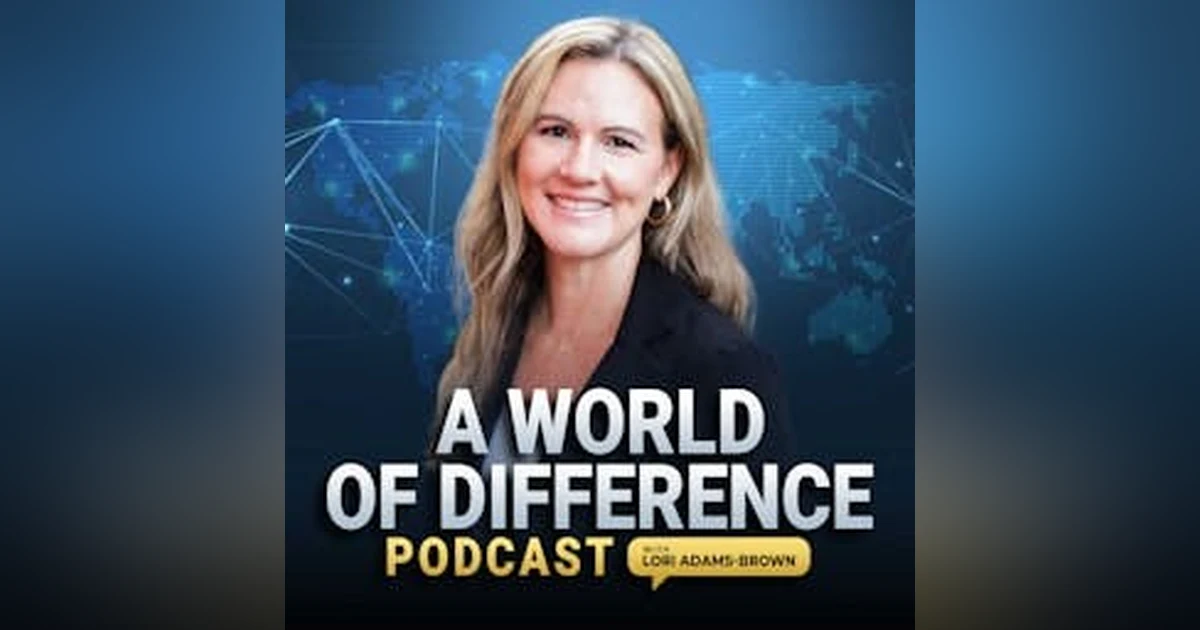
In a world where silence shrouds the darkness, one woman's journey emerges from the depths of despair. Lydia Matioli's story is a haunting reminder that evil can lurk where we least expect it. From the hands of a trusted pastor to the horrors witnessed by her best friend, Lydia's path is marked by heartbreak and resilience. But as she embarks on a mission to end the cycle of sexual violence, a twist awaits, a twist that will leave you questioning everything you thought you knew.
My special guest is Lydia Matioli
Lydia Matioli is a highly accomplished professional in the field of sexual violence prevention and awareness. With a Bachelor of Arts in Gender, Women, and Development Studies and over eight years of experience in program design and community outreach, Lydia has established herself as a knowledgeable and respected figure in the industry. As the Programs and Partnerships Director at Freely and Hope, a nonprofit organization dedicated to ending the cycle of sexual violence in Kenya and Zambia, Lydia plays a pivotal role in designing and implementing effective programs and initiatives. Her work focuses on creating sustainable solutions and empowering abuse survivors and advocates to become leaders in their communities. Notably, Lydia recently released a children's book titled "Pendo's Power," which aims to educate children on recognizing and reporting sexual abuse. With her extensive expertise and commitment to making a difference, Lydia is a valuable guest on the A World of Difference podcast, offering invaluable insights and strategies for increasing awareness and prevention of sexual violence.
I wanted to be a lawyer so that whatever happened to me cannot happen to anyone else. I wanted to be a doctor to support other survivors. - Lydia MatioliIn this episode, you will be able to:
- Learn effective strategies to prevent sexual violence and create a safer environment for your family.
- Explore the influence of cultural beliefs on sexual violence and gain insights to challenge harmful norms.
- Discover healing resources and support systems to empower survivors towards their journey of recovery.
- Understand the importance of community engagement in addressing sexual violence and creating lasting change.
- Equip children with the knowledge and skills to recognize and respond to abuse, ensuring their safety and well-being.
Healing and Support Options
The journey towards healing following sexual abuse is a tortuous path that necessitates ample support, understanding, and patience. Lydia stresses the importance of survivors being part of support groups like Freely in Hope and having access to referral services. Turning trauma into advocacy, sharing one's story, and challenging unacceptable stigmas are all vital elements of a holistic healing process.
The resources mentioned in this episode are:
- Check out Lydia Matioli's new book, Pendo's Power, a children's book that helps kids recognize and report sexual abuse.
- Visit the website of Freely and Hope, the organization Lydia works with, to learn more about their programs and initiatives to end sexual violence.
- If you have experienced abuse or trauma and need professional help, visit BetterHelp.com to find a therapist who can provide support and guidance.
- Take advantage of the 10% discount on your first month at BetterHelp.com/difference today.
- Follow Lydia Matioli on social media to stay updated on her work and advocacy efforts.
- Spread the word about Pendo's Power and the importance of educating children about consent and personal boundaries.
- Consider volunteering or supporting local organizations that work towards ending sexual violence in your community.
- Have open and honest conversations with children about consent, personal boundaries, and safe spaces.
- Educate yourself on the signs of abuse and how to respond if someone discloses their experience to you.
- Support survivors of abuse by listening, believing, and validating their experiences.
You do not have the right to have sex with a woman. A woman is a human being just like you, with the same rights, just like you. - Lydia Matioli
The key moments in this episode are:
00:00:02 - Introduction
00:01:13 - Lydia's Work and Book
00:02:29 - Trigger Warning and Sponsor
00:04:33 - Introduction to Lydia Matioli
00:09:08 - Impact of Sexual Violence
00:18:21 - The Influence of Generational Beliefs on Sexual Violence
00:20:20 - Impact on Faith Communities
00:24:17 - Writing "Pendo's Power" to Address Child Sexual Abuse
00:30:31 - Empowering Children in the Face of Abuse
00:36:31 - The Impact of Healing and Advocacy
00:37:35 - The Complexity of Healing
00:39:45 - Best Practices for Healing
00:41:18 - The Power of Storytelling
00:53:54 - Join the World of Difference Community on Patreon
00:54:31 - Make a Difference by Sharing the Podcast
00:54:55 - Help Others Find the Podcast through Reviews
00:54:55 - Take Care of Yourself
00:54:55 - Keep Making a Difference
No one was holding anyone accountable. No one was talking about it. No one was asking the survivors, what's happening with you? - Lydia Matioli
Timestamped summary of this episode:
00:00:02 - Introduction
Host Lori Adams-Brown introduces the podcast and her guest, Lydia Matioli. She highlights Lydia's passion for building platforms for abuse survivors and advocates and discusses Lydia's background growing up in Kibera, Africa's largest slum.
00:01:13 - Lydia's Work and Book
Lori discusses Lydia's work as the Programs and Partnerships Director at Freely and Hope, where she designs and implements programs to address sexual violence. They also talk about Lydia's recently released book, "Pendo's Power," which helps children recognize and report sexual abuse.
00:02:29 - Trigger Warning and Sponsor
Lori gives a trigger warning for the sensitive topic of sexual abuse and introduces the podcast sponsor, BetterHelp, a resource for therapy and counseling. She shares her personal experience with therapy and encourages listeners to seek help if needed.
00:04:33 - Introduction to Lydia Matioli
Lori welcomes Lydia and asks her to share more about her background. Lydia shares that she is a mother, leads programs at Freely and Hope, and grew up in Kibera. She opens up about her personal experiences with sexual abuse and the culture of silence in her community.
00:09:08 - Impact of Sexual Violence
Lydia recounts the story of her best friend who was gang-raped in Kibera and the lack of support and resources available to survivors. She explains how this experience inspired her to start having conversations about sexual violence and led to her advocacy work
00:18:21 - The Influence of Generational Beliefs on Sexual Violence
The guest discusses how the belief systems of previous generations have contributed to the prevalence of sexual violence. Both men and women have been conditioned to believe in retrogressive beliefs, perpetuating a cycle of abuse. The guest emphasizes the need to shift this mindset and promote respect and equality between genders.
00:20:20 - Impact on Faith Communities
The guest shares her personal struggle with faith communities due to her experiences with abuse. Many perpetrators are faith leaders, which has affected her trust and connection with God through the community. She acknowledges the need to find her own ways of practicing her faith and emphasizes the importance of caring for oneself and protecting against further harm.
00:24:17 - Writing "Pendo's Power" to Address Child Sexual Abuse
The guest explains that her experiences as a survivor and as a mother inspired her to write the book "Pendo's Power." The book aims to help children recognize and report sexual abuse by teaching them about body boundaries, consent, and the power of their voice. The guest shares positive feedback and the impact the book is having on children and parents.
00:30:31 - Empowering Children in the Face of Abuse
The conversation highlights the power dynamics between adults and children that often result in the silencing of children's voices. The guest discusses how the book "Pendo's Power" empowers children by validating their experiences and teaching them that their voice matters. The book helps children understand that they have the power to speak up and be
00:36:31 - The Impact of Healing and Advocacy
The guest expresses the importance of giving freedom to survivors of abuse and allowing them to share their stories. They discuss the impact of abuse on mothers and the opportunity for healing and advocacy when their own children reach the age they were when the abuse occurred. They also highlight the need for advocacy within faith communities to protect children.
00:37:35 - The Complexity of Healing
The conversation explores the complexity of healing from sexual violence, particularly when the abusers are often considered "do-gooders" in society. They discuss the difficulty survivors face in being believed due to the perception of their abusers as trustworthy individuals. The guest emphasizes the need for survivors to be part of a supportive community and to access support services.
00:39:45 - Best Practices for Healing
The guest recommends being part of a community of survivors as a key practice for healing. They mention the importance of support groups for survivors and the creation of communities where individuals can share their stories and reclaim lost parts of themselves. Additionally, they emphasize the importance of accessing support services and provide resources for survivors.
00:41:18 - The Power of Storytelling
The conversation highlights the power of storytelling in the healing process. They discuss the need for survivors to have their stories heard, believed, and empathized with. They emphasize the role of Safe communities in providing support and healing. Storytelling is acknowledged as a key element in processing trauma.
00:53:54 - Join the World of Difference Community on Patreon
Join the World of Difference community on Patreon to access extra content, including travel tips from Lori. Share the podcast with others to make a difference and leave a review to help the podcast reach more people.
00:54:31 - Make a Difference by Sharing the Podcast
Share the podcast with someone who could benefit from the conversation. This is one way to make a difference and help others.
00:54:55 - Help Others Find the Podcast through Reviews
Leave a review for the podcast on your preferred platform. This helps others discover the podcast and engage in important conversations.
00:54:55 - Take Care of Yourself
With a lot going on in the world, remember to prioritize self-care. No matter where you are, your actions can make a difference.
00:54:55 - Keep Making a Difference
Despite the challenges, keep striving to make a positive impact in the world. Your efforts matter.
- https://www.aworldofdifferencepodcast.com
- https://www.twitter.com/@awodpod
- https://www.linkedin.com/company/aworldofdifference/
- https://www.facebook.com/A-World-of-Difference-613933132591673/
- https://www.youtube.com/@aworldofdifference
- https://www.youtube.com/@aworldofdifference
Learn more about your ad choices. Visit megaphone.fm/adchoices
Follow the podcast at:
- https://www.youtube.com/@aworldofdifference
- https://www.aworldofdifferencepodcast.com
- https://www.linkedin.com/company/aworldofdifference/
- https://www.instagram.com/aworldof.difference/
Join our Difference Maker membership community for a ton of exclusive content for as little as $5/month. (The price of your a latte at your local coffee shop to enjoy a whole month of content.) Lori's Travel Tips are included as well as exclusive minisodes with our guests not available anywhere else. Join for deeper conversations and a little fun today at https://www.patreon.com/aworldofdifference
Keep making a difference wherever you are!
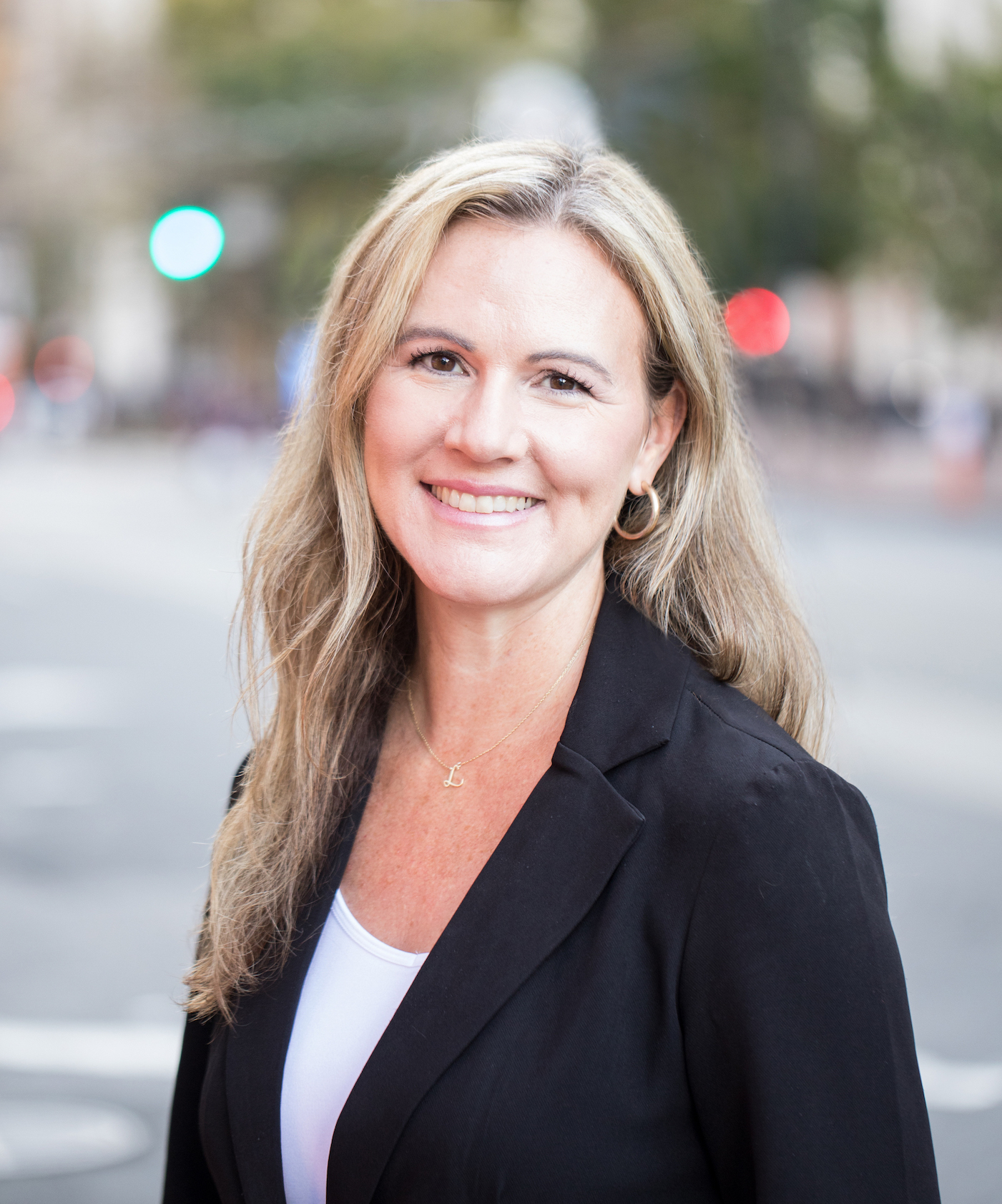
Lori Adams-Brown, Host & Executive Producer
A World of Difference Podcast
0:00 Welcome to the A World of Difference podcast. I'm Lori Adams Brown and this is. A podcast for those who are different. And want to make a difference. I am so excited. If you have not heard of my. Guest today, you are going to be. Blown away by this woman. She's just an outstanding human being and I'm thrilled to have Lydia Matioli on the show today. She has a new book that's being released and Lydia is just incredibly passionate about building platforms for abuse survivors and advocates to be leaders in their own communities. She loves creating sustainable solutions that prevent and respond to sexual violence and within different communities. She was born and raised in Kibera, which is Africa's largest slum, and Lydia has herself firsthand experienced the effects of sexual violence. Also how the lack of education and poverty plays into all of this. She's experienced that firsthand and so now she works with Freely and Hope as the programs and Partnerships director and so she gets to design and implement programs that really exemplify some of the best practices for ending the cycle of sexual violence that we often see. Lydia is smart. She graduated with Bachelor of Arts in Gender, Women and Development Studies and has over eight years experience in program design and community outreach. So she has so much knowledge and wisdom. But she's the author of a book that she just released called Pendo's Power. It's a children's book that's
1:30 illustrated and it helps children recognize and report sexual abuse. So this book is really resonating with a lot of people. She recently did a book release here in the San Francisco Bay area. And just her voice, her story, her ability to communicate it, and her desire and work to help children and parents and caregivers and teachers and people in faith institutions and communities understand how to have conversations with children and how to help them see their own power. To understand consent, understand that they can say no, understand their power to not be in situations that make them feel unsafe, and giving power to children again to understand what boundaries are right.
2:20 So this was her book is all about when she's not working. You can find her dancing to Afrobeat with her three year old daughter and trying out new recipes as well. And so I love that she's bringing all of herself into this conversation today and we're going to go there. So this is your trigger warning. If this is something that would be too much for you today, it is okay to not listen. It is okay to take it in chunks. It is okay to just take long breaks and go for a walk and get some sunshine or take deep breaths. If you have experienced abuse of any kind and particular sexual abuse, yeah, listener discretion is advised.
3:02 Also, the sponsor of this podcast is BetterHelp. So if you are somebody who has walked through abuse or walked through any trauma of any kind or just needs help from a professional to talk through some relational difficulties or stress or grief loss. BetterHelp.com is the sponsor of this podcast and if you go to. WW dot. BetterHelp Difference today, you'll get 10% off your first month. I myself have largely benefited from a therapist through BetterHelp who's helped me work through a lot of grounding techniques and somatic therapy, understanding how to just shake it off sometimes like we see the animals do. I've gone and sat near the lake near my house and watched ducks just kind of shake water off their back. All things that my therapist at BetterHelp has helped me to do to help my own body process some traumatic experiences in a workplace environment where I walk through some psychological and spiritual abuse and emotional and verbal abuse there. And so I know that some of you listening to this podcast have walked through that type of thing and if you're one of them, please check out BetterHelp.com Difference Today to get 10% off your first month. So happy to bring to the show today and introduce to you somebody who is making a huge difference in the world. So let's give a very warm welcome today to Lydia Matioli.
4:33 Hello, Lydia. And a very warm welcome to the World of Difference podcast today. And congratulations on your book release. Thank you. Thank you so much for having me. Well, it's very exciting. And we were connected by someone we both know. And I'm really excited to have this conversation today because not only are you somebody who's a survivor of some very difficult experiences, but you've also allowed those experiences to shape you into someone who wants to make an impact and help others in so many different ways. And our listeners all around the world really are all about that and so excited to sort of hear more about your background, some of the things you've walked through and why you ended up writing this book. But I guess my first question for you is tell us a little bit about your background. Who are you, Lydia Mattioli? And what is it about your background that makes you who you are today? Awesome. Again, thank you for having me. I'm super excited to have this conversation with you. So Lydia Matioli is a 29 year old. I am a mom to a beautiful three year old girl, and I currently lead programs at nonprofit called Freely Hope, which exists to end the cycle of sexual violence in Kenya and in Zambia. And just
6:06 to share a little bit about my background, I was born and raised in Kibera, which is East Africa's largest slum. I think after soeto in South Africa, I think Kibera is next. It inhabits around 1 million plus people. And so all my life I was inside there, I was born in there with all these people. There's a lot of scarcity. The environment is not that friendly if you look at the sewer system, the chaos, if you look at the roads, the infrastructure, generally, it's just a mess. It's a place where there's not a lot of access to resources, a lot of access to opportunities. And the main thing that I grew up seeing a lot was violence. So let me just start by sharing my own story. So when I was five, we lived at a place where I don't know if you have an idea of Kibra, but let me paint the picture for you. So, like I said, there are so many houses and so close to each other, it's just like single rooms, very close to each other, and we would call them close. So you'd find like ten houses in 1 m² doors next to each other and that kind of stuff. And I feel like that is one of the reasons why we had a lot of violence happening.
7:37 Because you're so close to each other in proximity, a lot of things are happening behind the shadows. So when I was five, there was this guy who was our neighbor. He was actually man of God. He was a pastor. This man kids used to love being around this guy a lot, a lot at that time, looking back now that I remember, I'm like so one time he called me into his shop and he started touching me inappropriately all over my body. And this almost escalated further, but then, thank goodness, my sister was looking for me to have lunch.
8:19 And so my sister was calling out for my name outside, like, Lydia, Lydia. And then when the man had my sister, he stopped, grabbed a lollipop, gave it to me, and was like, I went out, met my sister. She looked concerned, but she didn't know what to ask or like, she didn't know what to tell me. I think I remember the only thing she asked me was like, what were you doing then? I was like, oh, uncle called me to give me a suite because I didn't even know what abuse was. I could not comprehend it. So, yeah, that was the end of that conversation between me and my sister. So pretty much growing up, I was exposed to sexual abuse in that way. Yeah. So when my sister found me, we didn't talk much about the situation, and yeah, we just left it at that. Moved on with life, like many other cases happening in Kibra. And then when I was 16 years old, my best friend was gang raped. We were in high school, and she was gang raped at the very same alley we used every day to go to school.
9:33 Three men grabbed her and pulled her in my room and raped her. And because of the culture of silence that existed in Kiba, she didn't know whom to tell. And she tried talking to the dad. Like, when that happened, that same day when she went back home, she tried telling the dad, but the dad was just, like, shaming her and being, like, there with your boyfriend, and here you're trying to say that you've been raped. So she shut down. She completely shut down until she started getting side effects from the abuse. A couple of days later, she started having infections. Her skin started feeling itchy, like she got bad infections. And that's when she told me. And I was in high school. I didn't even know. What is this? Yes, we would hear about rape on TV here and there. We would hear stories. A girl was raped here.
10:35 A girl was raped in this particular village. But we didn't know. No one told us how to respond or what to do. So when my friend told me that I couldn't think of I felt helpless, honestly. And so we told a teacher who helped us, who told us which hospital to go to. She did not even accompany us. She was just like, Go to this hospital. They'll help you. So my friend was treated, but that was it. Nothing. No counseling, no conversation after that. So that was a common trend that existed. Living in Kiba. I was surrounded by so much violence, and no one was holding anyone accountable. No one was talking about it. No one was asking the survivors, what's happening with you? How did you feel? And my friend was never the same after that experience. She was never, ever the same. And I think that is what inspired me to start having these conversations while I was in school. In high school, so started a girls club where all the girls could come and meet every Tuesday. And we would just vent. Like, nothing would happen afterwards, but we would just vent. This is happening to my home, since this is happening with my mom.
12:06 She's being bitten every day. So we held space for a lot of stories within my school community. And as much as we didn't do anything about it, we felt relieved. I think just talking about it helped release some of the weight that came with holding all of these. And I like to say that is where my advocacy work began in high. So right after I graduated high school, I knew I wanted to do something along those lines. But again, in Kiba, once you're done with high school, that is it for your parents. They're like, We've done our best. So you figure out what you want to do next with your life. Yes, I wanted to go to college, but I didn't know how. I didn't have the means. So I had to figure out what to do at that time to be able to just pursue my dreams and to get by. So, yeah, I started looking for volunteer opportunities in Kiba. I got a chance to volunteer with a couple of local organizations, and this was in 2013, 2014, because I finished high school in 2012, so 2013, I was volunteering 2014, the same.
13:34 And the founder of the particular organization that I was volunteering in in 2014 knew about my story. She knew about how passionate I was in matters ending sexual violence. And so he's the one who connected me to Freelan Hope, the organization that I serve with. Because at that time, Freely in Hope was giving academic scholarships to so, like. And you growing up in Cabera and having all those experiences, and now you're at Freely and Hope. Yeah. Tell us a little more about the organization's mission and some of these key initiatives you're involved in to combat this sexual. Freely and Hope is a nonprofit that works to end sexual violence in Kenya and Zambia. And how we do that is by providing academic scholarships to survivors of sexual violence. And these academic scholarships are very holistic in the sense that it's not just paying school fees. There's counseling happening just to combat all the mental health issues that come with trauma. The safe housing involved, where several occasions we've had to move the girls from the spaces where they live in, girls who are being abused by their dads, by their uncles, by people who are taking care of them. So we've had to move them to
15:07 safe spaces. Then there's the legal aspect of it, where some of the survivors that come into the community have pending legal cases. And so, yeah, we have to find all the legal processes. Having the lawyers involved, following up with court cases, it's intense. And there's also mentorship involved because we want these girls to thrive in their calling because most of them, when they come into the community, they're like, I want to be a lawyer so that whatever happened to me cannot happen to anyone else. I want to be a doctor to support other survivors, all of that. And so in wanting to just nurture this desire and tap into these desires, there's a lot of leadership development that goes into this process. Just exposing them to spaces that will help them grow that desire, spaces that will give them an idea of what it means to work in a law firm, what it means to be an activist or an advocate in the community, all of that. And most importantly, I think, just having that community of belonging, interacting with other survivors, hearing their stories, how they overcame trauma, how they're doing in their healing journey, that plays a big role in helping survivors just get
16:38 from that point of helplessness and despair to this place where they're taking their power back. Yeah, I know that there are so many things culturally in every culture around sexual violence that often ends in silencing of the survivors and centering, the one who the perpetrators, mostly because there's so many dynamics right there's the patriarchy, which often is in most cultures, we're dealing with not all of them. And that layer of just censoring a man and his voice and then either silencing or just diminishing the voice of a female survivor, especially a young girl, and then the victim blaming.
17:26 So, yeah, explain maybe some of your own personal experience of observing that with yourself and your friends or how those dynamics are sort of tricky in the environment that people are trying to heal from. Oh, yeah, we've definitely had to deal with a lot of cultural mindsets that really perpetrate this issue of sexual abuse. And one of them said, Patrick, if you go into my communities right now and talk to the men, most of them feel like it's married to have sex with a woman because this is what they've grown up hearing. They do not understand the whole concept of mutual respect, asking for consent, mutual understanding before engaging in any sexual act, because their forefathers did that. Their forefathers believed they had right over women.
18:25 They've seen their dads doing that. And so they themselves are also stepping into that generational trend. And so that is one of the biggest factors as to why sexual violence is happening. And the sad thing is that even the women have been conditioned to start believing in these retrogressive beliefs. So you'll find even women themselves feel, no, it's a man, whatever man says, I'm supposed to. If a man says that my dressing tempted them to commit sexual abuse, then it's true. So this cultural belief has been so deep to the point where even women themselves started believing it. And this really escalated cases of abuse in my communities personally, where I come from. And so even with Freely and Hope going into these communities through our outreach programs, we had to do a lot of conversations with the men, with the boys, to help shift this mindset so that they start understanding that, you know what? You do not have the right to have sex with a woman. A woman is a human being just like you, with the same rights, just like you. And so there's a lot of respect that needs to be there. You
19:58 need to be mindful of what they say. So, yeah, that is part of the work that we've been doing to really push for that shift in mindset because that's where the root is. Honestly, that is the root cause of all of this violence that we're experiencing in Kiba, in Nairobi, in Kenya. Really? Yeah, it's so heartbreaking. And I think everywhere there are so many stereotypes that people fall into and some of those are very even entrenched in certain faith communities. So you mentioned earlier that your abuser was a part of a faith community. And so, yeah, I would be interested to know, do you still identify as part of a faith community? And if so, has that journey been difficult for you in light of all of this? That's a very good question. Well, my experiences and I think working with survivors, of course, has really affected my interaction with the faith communities because trust me, most of the cases that I've had, a lot of perpetrators are faith leaders. And that kind of just affected how I connect with God through that
21:29 community, honestly. So it's been so long since I went to church because every time I was in charge, I would battle with the thought that this man up here could be a hypocrite, this man up here could be one of the perpetrators. And I know it's not fair to have a blanket judgment and to have that bias over faith leaders, but I can't help it. It's part of the trauma that I have from my experience and from the experiences of people who are very close to me. So, yeah, my relationship is not the same. I struggle to be at church, I struggle to be in community with faith leaders. But I've also learned to find my own ways of connecting with God that do not necessarily involve me not being a charge. And I know I'll get there someday, but right now I am not at that point where I can just comfortably be at charge and commune with other believers the way I used to. And I know that it's going to take time and I'm just being patient with myself and with the entire process. But yes, I do believe I'm glad. That you're being patient with yourself. That's very good. Yeah, I think that many listening in this community, and it's not exclusively
23:02 Christians that I'm talking about. In all faith communities, we see people who've walked through abuse in their faith community, whether it's in Islam or Judaism or if they're Buddhist or Hindu or Christian or even if they have no faith community. But it's been a community that's been spiritual in some way. And you've seen a leader be abusive and then you've seen it covered up by people in the faith community, it doesn't feel safe. Right? And there are reasons for that. And as survivors or even people who might have secondary trauma, who have friends who've been abused, it doesn't feel safe. Even for those friends when they've watched a cover up happen and watched a perpetrator be centered and his story be the main story, those are red flags for people. And so I think part of caring well for ourselves and our own well being is to make decisions like you're making to find ways to express your faith and experience your faith in ways that you're safe and you're caring for yourself and you're protecting yourself. So there's a lot of people in this community that understand that and are walking through that. So thank you for being vulnerable to share that. But I know that you also really want to make an impact, especially for children, because your abuse happened as a child at five years old. So tell us a little bit about. Your book Pendo's Power.
24:19 I know you're hoping to help children recognize and report sexual abuse. So what inspired you to even think about writing this book? And how are you seeing it received in the communities where you work? So Bendosau was inspired by my past experiences growing up as a child in Kiba. And I've shared a little bit about that. Also my current experiences as a mother. I have a three year old daughter, and when I had her, I was so scared. When I gave birth to my daughter, being a first time mom, being a single mom, I was so scared of what she's going to be exposed to. And I think when I had Amir, that's when the realization of my own abuse started dawning on me. I had not processed it. And so when she came, it was just like, oh my goodness, what have I done? What have I done? And I had Amira around the same time when COVID was happening because she came in 2019. And then COVID happened 2020 because she was born in December. So we were at home, we were listening to all of these things that were happening. Cases of abuse escalating. Children being abused in their homes, women being abused by people they are living with. And oh my goodness, I struggled sleeping. I battled with the thought that Amir could be exposed to a
25:53 perpetrator anytime because it was not like strange people. It was people that were super close to her that are potentially the abusers. And so I wanted to do something about it. I wanted to create a resource that would help children like Amir, children living in different parts of Kenya, children living in different parts of the world, to be able to learn about these key concepts early so that they know when their body boundaries are being crossed. Because for me, I didn't know. No one told me about body boundaries. And the many women, the many, many girls that have spoken to me about being survivors of child sexual abuse, they didn't know. So I wanted to give my own child and other children that gift of knowing. And I know it's crazy because children are supposed to live in a bubble like they are kids, for heaven's sake.
26:51 They're not supposed to be thinking about these things. But we also cannot be blind to the fact that bad things are happening in the world and the fact that we will not always be with them. So it's better for them to learn and know that they can actually use their voice to express when something is happening to them. And so that is what inspired the creation of Pendos Power. So it's a book that teaches children as young as four years old, all the way to twelve years old, about body safety. This is my body. These are my private parts. No one is supposed to touch my private part. If someone touches my private part, these are the people that I tell consent. I have the right to say yes or no, whether it's an adult, whether it's a child, I have the right to say it and be firm in my decision, especially when it involves my body. So these are the concepts that I wanted to bring out in the book, especially because growing up as a child, we were taught to always respect the elders. When the elder calls, you go, which is a good thing. But I feel like some perpetrators use this element to really get to kids because they're vulnerable, they're innocent, they cannot speak up for themselves. And so through
28:24 Pendofa, I wanted children to know that their voice is powerful, that there are people out here who care about them, who care about their safety and are willing to do anything to protect them. And the book features a six year old girl from Kiber who well educated about these things. Like Pendo's mom and dad did a good job starting these conversations early because they were aware of the risks. And so because Pendo knows she is helping her friends Bahati and Know call out different kinds of abuse that they've been exposed to in the community. So that's pretty much what the book is about. We wanted it to be very simple and fun, so we used a lot of colorful illustrations to just help children connect and resonate with the content. So far, it's just been amazing to see the response. It's been amazing to hear that kids are reading it, kids are connecting to the characters. Kids are saying, My voice is my power. Kids are saying it's okay not to keep it's not okay to keep secrets, things like that. So I'm just super grateful that the book is serving the purpose, like why I solely
29:55 created it. I am getting feedback that it is. That'S amazing. What you've done is such a gift, and it's going to be so impactful, I'm sure, in prevention as the children read it, but also as the parents read it alongside. Because I think the nature of being a child in most cultures around the world is that there is this power dynamic between adults and children. And children are often at the receiving end of abuse of power in so many different ways, just their voice being believed or listened to. There's a lot of people that would just think, well, children are so imaginative. They made this up. This isn't real. And why would you say that about Uncle So and So, especially if they're like a pastor? And so there's so many stories, you and I probably both know, with that kind of narrative. But to help children understand that they have this power, I could imagine how reading that book as a child would feel so right, because we sort of, as children, long for people to believe us when something traumatic happens, just like we do when we're adults. But because the power dynamic between adult and children is often abused, those children often are so silenced. And so, yeah, as you've seen children and parents maybe walking through it together or reading it together, are there any stories or things that you can
31:25 think of that are impactful or anything around that? Yeah, I think one of the most mind blowing things about this book is how it's not only just impacting children, but even the adults. I feel like most of the parents and caregivers that I am interacting with are kind of healing their inner child. They're going back to moments when they were children and reflecting on moments when they were abused and speaking up for the first time. So I think that for me has been everything. Knowing that, oh my goodness, so many parents and caregivers were carrying childhood trauma that they'd never processed with anyone.
32:10 And this book is serving as an outlet for them and giving them the courage to just say, you know what? This happened to me too. I have never told anyone about it, and thank you for creating this because now I can start working on my own healing and I can be there for my child and I know how I can respond if my child tells me about it. So I think that for me has been oh my goodness, it has been everything. Seeing people allowing themselves to feel some emotions that they never process and just looking for support to walk through that, it has been amazing. And the other thing that I've been super blessed to see is all the opportunities that Pendas Power has opened up in terms of us reaching a wider demographic. So initially when I started writing it, the target audience I had in mind was the kids. And that's why the book is a children's book. But also while I was doing research for it, I realized many parents were like, we do not have the tools and resources to have this conversation. We want to, but how do I start telling my child about private parts? Especially when culturally they themselves didn't get a chance to do that with their parents? It's taboo. It's
33:44 inappropriate. And so even just listening to parents and the need got us to create a companion guide for the book. So the book comes with a companion guide. You scan a QR code at the back and it takes you to a companion guide that gives you teach on if you're talking about private parts, this is how you approach it. This is how you start from the familiar things. This is how you use teachable everyday moments in your family, in your interactions to model this conversation. So that in itself is a whole other resource that came from Pendant Power. And when we were launching the book, we also released a teacher's guide because teachers were like, we also want to be consistent in having these conversations at the school setting. We spend a lot of time with Know. So it would be. Good to also have that ingrained in the curriculum. So in partnership with Microsoft, we just created a teacher's guide that we'll be advertising. So that's creating an opportunity for us to scale and reach many more students, many, many more children and teachers from all over Kenya and beyond. So it's just been crazy seeing all of these opportunities that are just coming up and it's like, oh wow. It was not just children. It was the parents,
35:14 the caregivers, the teachers, institutions that work with kids. Anyone who is involved in matters child safety needed such a resource. So I'm just super grateful for all the survivors that have come up and told us, you know what? I am a survivor of child sexual abuse. I am so grateful for all the children who have shared their stories, who have parents sending us clips of children saying, it's not okay, Mommy, to keep a secret. Like children literally articulating some of the key concepts that we featured in the book. For me to just affirm the why, there's been a lot, a lot of feedback of the impact. And I think this is why many opportunities are coming up to just scale and take this information to as many people as possible. Yeah, it's incredible.
36:19 I mean, when you just shared the part earlier about parents reading it with their children and realizing they're telling for the first time what happened to them and it just gave me chills. I got a little teary eyed. I mean, it's so beautiful because that is the impact you want to see. To give freedom to those who have been trapped for so long with their story and having been silenced for all those years from people who really did not even ask about what happened or wouldn't have even listened or believed them, maybe if they had told. And I do hear over and over again of moms who were sexually abused as a child. And then when they have a daughter that gets to that age, there is something that happens. Like you described, whether they were 15 when it happened, and their daughter gets to be 15. And there's something that kind of gives them an opportunity to either start healing or take it to a new level of healing or even advocacy. I hear people talking about that at that stage to say, finally, like, wow, that was wrong. I was a child. And it was like whether that was a youth leader or a pastor, especially, really kind of a new level of advocacy within those faith communities to protect children, especially in the faith communities. Because I think over and over again what we see with either children or adults that are abused, it's often by people who are considered what we call do gooders. So pastors, policemen, teachers,
37:54 resource people in the schools, doctors, so these people that no one would believe had done anything wrong with because they do so much good in the world. It is a place for them to hide and therefore it's so much harder to be believed. And so the healing can be so complicated for people. And so as you're doing this work to both prevent and respond to sexual violence within different parts of communities, what are some of the best practices you have seen? What are some of the tools that you're helping people understand and learn from? So one of the key things that we usually recommend, especially when a survivor comes to us and they tell us a survivor, I think the biggest one is being in a community with other survivors, because healing happening in isolation is a lot, it can be overwhelming. You will constantly feel like you're not moving, nothing's happening. And so one of the most important things we try to do is help this survivor, this person who has come to us to be part of a community. So here in the States, we do have a support group for
39:25 survivors of sexual violence. And in Kenya as well, we are trying to create more of these communities of survivors where people just meet and share their stories in a dignified way and try to reclaim some parts of them that were lost with the trauma. So that has been very key. And of course, the other part is just helping them access support services because many people don't know, many people do not know that when this happens to you, you can go to this particular hospital to get free services. There's this network of counselors that offers free pro bono counseling services. There are these lawyers that offer services for you. So I think what we are grateful for is that we've been able to become that resource that helps survivors be connected to people who are doing the work in the ground. That has meant growing our network of referral services, we have a whole database of these are the people that are offering counseling services. These are the hospitals that survivors can go to.
40:48 These are the hotlines that survivors can call. So we've taken time to intentionally put this data together and to make it accessible to survivors any communities that we go to. So that's the other thing, making sure that they know that support services are available for them, that they can access them, and then the next thing, like helping them be a part of a community so that their healing can happen together. Hear the stories and you're encouraged, you're inspired to continue working in that journey because healing is not easy. There are days when you're doing so well, and then there are days where you go back to those dark places and you feel like you haven't made any strides. So we really encourage community and storytelling as a big part of helping you process the trauma that happened before. Yeah, storytelling is so powerful. Just any survivor needs someone to hear their story and believe them. And empathize. And every time that happens, it's a little bit more healing.
42:03 And community that's Safe really does play that role. It's one of the many aspects that I've seen personally in my own life and then in the lives of others who are either trauma survivors or abuse survivors or both. It is hugely helpful. Yeah. Thank you so much for all that. You've shared so vulnerably today. I know it's really going to resonate with so many people that listen, both in Africa, we have a lot of people who listen in Africa, kenya, Nigeria, a bunch of different places and also all around the world. Because these things are not exclusive to one country, they're not exclusive to one faith community, they're not exclusive to one type of school system or government. This is a global issue. And I'm so grateful that you have written this book and I do hope it gets into the hands of people everywhere that can help children to have these conversations with their caregivers and their parents. Because I know when I was raising my children when they were little, we were given some tools and I do feel so privileged that we were. But having a book like yours to walk through with our children would have been that much better. We had little conversations like don't let somebody touch you where your bathing suit would cover. And don't keep secrets. We did have access to some of those resources. And you do worry because, you know, even though you've given your child tools, that there are people out there that can so easily take advantage of them. So this book is so beautiful and it's going to prevent so much and I'm so grateful that you wrote it. So thank you for your time today. Is
43:35 there any last thing you would. Like to say to our audience and. Also let people know where they can find you and more of your writing and speaking? Well, I think my call to action would be, do not let fear paralyze you. Because I think looking back at that moment when I had my daughter, I had so much fear. I had so much fear of like, oh, my goodness. But I had the choice of just letting that fear control me and stagnate me. And I had this other choice of doing something about it. And I know sometimes it may feel like a lot because even for me, at that point, I didn't even know I could write a book.
44:22 Even when I was telling our founder this idea, I thought someone else would do it. But then she was like, you are the one with the vision. You will figure it out. Figure it out. Start something. And so my encouragement for anyone who's listening, whatever it is that you're grappling with, just start somewhere. Start where you are at and do not let fear stop you. Because I feel like some of the most awesome innovations in this world. Some of the biggest change makers, they chose to act.
45:04 For me, I feel like even in this quest of ending sexual violence, we cannot be passive. We cannot just hear, listen to all of the stories that are happening and watch the news and be like, oh my God, that's terrible. No. We have to actively participate in making sure that it's not happening in our houses, in our neighborhoods, in our community as a whole. You have to make the choice to call it out when you see it, to hold people accountable, to speak up whenever you hear a belief that perpetrates the culture of violence, all of that. You have to make the choice to speak up. You have to lean into courage, just like Pendo, and use your voice to call out any forms of abuse that you see. So that is my biggest encouragement. Pendostawa is now available in Kenya and the United States. In Kenya, you can find it in any textbook center.
46:13 You can also order on our website, kenya Pendospower.com. And then here in the United States. It will be available on Amazon in a month. But currently orders are being made on Buy Kindofower.com, buy Pendofower.com. You can also follow us on our socials to be updated on everything that we're doing and all our socials are Freely in Hope. Freely in hope on Instagram. Freely in hope on Facebook.
46:54 Freely in hope on Twitter. So you can follow us and you can also check out our website, which is WW freelyinhope.org to just access all of these awesome resources that are featured there. Our website is a resource gallo. As you can tell. We love to provide resources that educate communities about all of these things. Trauma informed parenting, trauma informed caregiving, how do you respond, all of that. Just check out our website and you get access to a lot of very good information that will help you take. Yeah, thank you. Lydia, it's been so wonderful to hear your story today. Thank you so much for vulnerably, sharing it, and for your courage to not only heal yourself, but also to warn and protect others and give people resources to protect themselves and their children from any future abuse. So thank you for being on today. Thank you for having me. This has been amazing, very reflective, going back and looking at the journey. It has been awesome. So thank you so much for having me. Looking forward to more interactions in the future. That conversation was so vulnerable and so special. Bye. And I hope that you're listening and recognizing what a treasure it is to have someone share their story so vulnerably so openly, as she mentioned. Many in fact, it seems as
48:27 though the majority of people who've walked through abuse and trauma never, ever share. Especially in cases like what she mentioned, where cultures are silencing, especially little girls and women who've experienced sexual abuse and blaming them for what they wore, blaming them for doing something that would somehow entice their own abuse to happen to them, even as children, even as a five year old girl, those things happen. And so I don't know if you ever saw there was this exhibit that was going around a few years ago where it just showed the outfits little girls and women had been wearing at the time of their own sexual assault. And it was horrifying to look at because none of them were what any of us would consider overly sexualized. But also, one of them was so horrifying because it was like a little baby girl swimsuit that was just awful to see. Some of them were like sweatshirts. The point being, even if it was a very sexy outfit that a woman was wearing, it does not invite her own sexual assault. And so we have a way of victim blaming abuse of every kind. Not just sexual abuse, but victim blaming people for emotional abuse, psychological abuse, spiritual abuse, financial abuse. Often
49:57 things will be said, well, why did you blank? As if something they had done evoked that response from an abuser, especially when it's a woman victim and a male abuser. And also, even if it's not, when there's a power dynamic differential, often it's even more likely that the victim will be blamed. And so all of this helps us to be aware. And awareness is key. The more we spread the truth, the more we value transparency, the more we create psychological safety for victim survivors of abuse to share their story, to believe them, to empathize with them, and to advocate on their behalf. Because this is not a role victims should be the only ones playing. And that's one of advocacy. Many advocates that I know are themselves victim survivors, but not exclusively are all advocates victim survivors themselves. But it does seem so.
50:57 Often the brunt of this work is carried on the backs of those who are the most traumatized by what has happened then it's being the victim survivors of abuse. So we need more allies. We need more people who help carry this load who are not actually still walking through the trauma of experiencing it. And so the bravery of a woman like her coming on the show to not only share her own experience but to speak out and be an advocate, help people find best practices to how to heal and then writing a book to help prevent is just so powerful and so amazing, so honored to have her on the show today. And I'm really wondering how you're resonating with what she said. It certainly impacted me. Like I said, I got chills and I got a little teary eyed at one point when she was sharing about a parent reading that book and then understanding their own abuse that they had not really ever spoken about. And people listening to this podcast, many of you may have carried abuse for years and never told anyone. And if that's you, I really do hope that you find someone safe to speak to and reach out to them, whether it's a therapist that will keep that confidential and once again, BetterHelp.com Difference can be a place where you can get some help 10% off your first month. But even if it's a friend, even if it's somebody you meet through social media that's experienced abuse themselves and that you could share that with yeah. It's so powerful to be able to. Speak it out loud. And many people find healing by being able to
52:29 finally share it with people who will listen, believe you and empathize with what you went through. It's so much a part of healing. So I love the work that she's doing in community and the narrative, method and storytelling about all of this. It really helps to have a support group of people. If you can find that, not everybody can. But for those of you who have never told anyone, yeah, my heart goes out to you today and I do hope you find a space where you can feel free just to open up a little bit and not have to carry that burden by yourself. Also, we go a little bit deeper with her in the Difference Maker community. So if you haven't joined us there, you can go to Patreon Comaworldofdifference. For only $5 a month, you could join our group and there are extra content that's exclusive for this group. She stops in there and I ask her a little more about some of the practices that she has found helpful for herself and her own healing. And a sneak peek, we get a little bit into some of the right brain stuff that's been helpful for her and that's some of my new findings personally is how much right brain activities can be so key in our healing, our bodies and our brains and nervous systems that still kind of carry and keep the score. And so she talks through a lot of things that she's been doing and it's a fun conversation at the same time. So I hope you join us there. Once again, Patreon.com Slash, a World of Difference where you can come and join us, check us out, check us out for a month and see what
54:00 you think. There's a lot of extra content in there with all of our different guests and we do a little fun things sometimes where I put in some Lori's travel tips from the different places I've been and love for you to chime in on those too. So, yeah, it's a little bit of deep, a little bit of fun in our Difference Maker community so I'd love to have you join us. Anyway, I know a lot of you are carrying some pretty heavy loads. If this has been a podcast that's been helpful for you and you feel like you know someone that really could benefit from this conversation today, please share it with them. That's one way you can make a difference. Also another way you can make a difference is it really does, for whatever reason help people find us when you give us a review.
54:40 So I don't know what happens with all those algorithms, but when you go to wherever you're listening your podcast and just take a couple of seconds, it doesn't take long, but it can make a huge difference to just give us a review and let us know what you think. And it helps other people find us to have these conversations with us. So yeah would love that. Once again, it's a wild month for a lot of people. Lots going on. So take care of yourself and wherever you are in the
