

From Farm to Silicon Valley: How One Turkish Immigrant Turned Grief, Grit, and Education Into a Life Beyond Imagination with Nuray Krein Yilmaz
What does it look like to build a life from scratch, not once, but again and again? Nuray Krein Yilmaz has done it more times than most people ever will, and her story is one of the most quietly extraordinary ones we've shared on this podcast.
Nuray grew up in a small farming village in eastern Turkey, the eleventh of twelve siblings, in a community where girls' futures were largely pre-written. She lost both parents to cancer before she turned 13. She taught herself to dream inside boarding school libraries and across chess tournaments — and she never stopped.
In 2018, she moved to the United States through a cultural exchange program with limited English, no safety net, and an enormous amount of courage. Today she is a content analyst in tech, a published author, and the founder of What If You Can — a community for people navigating immigration, grief, career transitions, and the question of whether they belong.


What does it look like to build a life from scratch, not once, but again and again? Nuray Krein Yilmaz has done it more times than most people ever will, and her story is one of the most quietly extraordinary ones we've shared on this podcast.
Nuray grew up in a small farming village in eastern Turkey, the eleventh of twelve siblings, in a community where girls' futures were largely pre-written. She lost both parents to cancer before she turned 13. She taught herself to dream inside boarding school libraries and across chess tournaments — and she never stopped.
In 2018, she moved to the United States through a cultural exchange program with limited English, no safety net, and an enormous amount of courage. Today she is a content analyst in tech, a published author, and the founder of What If You Can — a community for people navigating immigration, grief, career transitions, and the question of whether they belong.
In this episode, Lori and Nuray explore:
How losing both parents to cancer before age 13 became the unlikely foundation for a life built on education and agency
The role her father played in naming a different future for her — in a place where most men didn't
What chess taught her about being underestimated, competing, and winning on her own terms
The layers of learning agility required to navigate new languages, new cities, new countries, and new cultures
Practical advice for first-generation immigrants: mentors, community, salary negotiation, and the courage to ask for help
Why storytelling and community are not soft extras — they are the infrastructure of belonging
The vision behind What If You Can and what she most wants to say to the girl she once was
Nuray Krein Yilmaz is a first-generation immigrant, content analyst working via Highspring at Google, a published author, and founder of the What If You Can community. She holds a degree in business administration and builds spaces for people navigating uncertainty with curiosity and hope.
TIMESTAMPS
00:00 — Introduction & welcome
02:00 — Growing up on a farm in eastern Turkey; losing both parents before 13
05:00 — Her father's pivotal role; chess as a gateway to confidence and travel
10:00 — Arriving in the United States in 2018; navigating visa challenges and a new culture
18:00 — Education, self-learning, and tools for first-generation immigrants
22:00 — Salary negotiation, unwritten rules, and asking for help
24:00 — How storytelling builds belonging and motivation
29:00 — What If You Can community and the difference Nuray is making
33:00 — Where to find Nuray, her book, and her community
Find Nuray Krein Yilmaz at:
LinkedIn: linkedin.com/in/nuraykreinyilmaz
Instagram: @nuraykrein
Book: Notes From My Mind (available on Amazon)
Subscribe, leave a review at https://www.aworldofdifferencepodcast.com/reviews/new/, and share this episode.
Visit https://www.aworldofdifferencepodcast.com for more resources.
Learn more about your ad choices. Visit megaphone.fm/adchoices
Follow the podcast at:
- https://www.youtube.com/@aworldofdifference
- https://www.aworldofdifferencepodcast.com
- https://www.linkedin.com/company/aworldofdifference/
- https://www.instagram.com/aworldof.difference/
Join our Difference Maker membership community for a ton of exclusive content for as little as $5/month. (The price of your a latte at your local coffee shop to enjoy a whole month of content.) Lori's Travel Tips are included as well as exclusive minisodes with our guests not available anywhere else. Join for deeper conversations and a little fun today at https://www.patreon.com/aworldofdifference
Keep making a difference wherever you are!
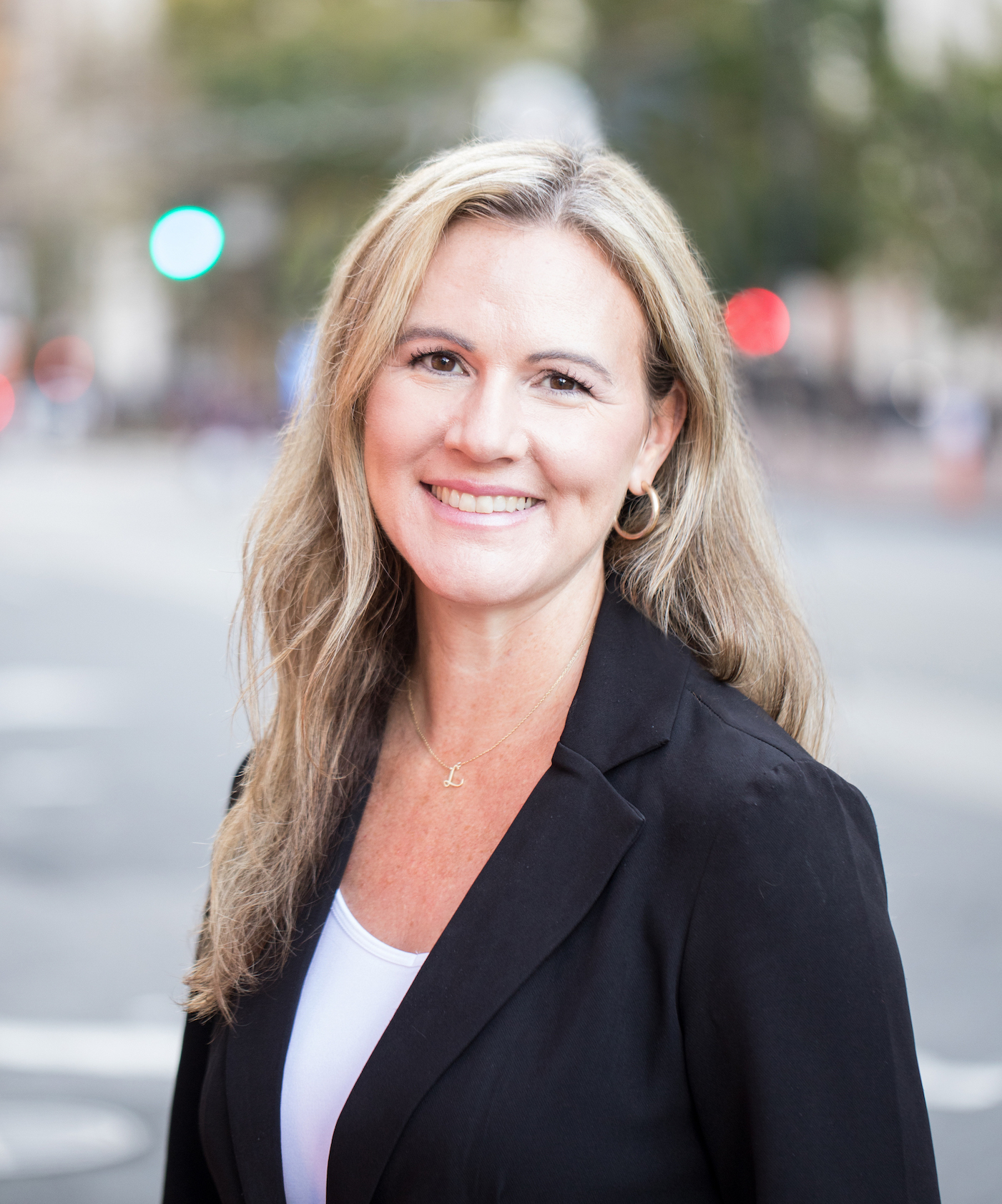
Lori Adams-Brown, Host & Executive Producer
A World of Difference Podcast
Lori Adams-Brown (00:02.346) Nuray, a very, very warm welcome to a world of difference today. Nuray Yilmaz (00:06.882) Thank you for having me. Lori Adams-Brown (00:09.652) I am really excited to learn more about you, your fascinating life story, all the things that happened that led you to our meeting through Women XAI, which is another shout out to Jenny Kapolek and Reu to bring together incredible women. And you and I recently sat at Google at a Women XAI event for the birthday. really get to know each other a little bit better over lunch. And that's why we're doing this interview today, because I just know that this audience of difference makers is going to really resonate with different parts of your story and your global background, and be really inspired by who you are as a person. I want to start off with just saying anytime people share things that in their background that are hard and that they've learned the lessons from, I just want to acknowledge that we're going to brush through some things and there's so much more to who you are and thank God you're a writer because you've written a lot about this. But as we get into it here, I think the first kind of foundational question I am curious about is, you know, at the beginning, you you grew up on a farm and a large family in Turkey and you lost, unfortunately, both of your parents to cancer before you were even 13 years old. It's just heartbreaking, unimaginable. And then these are the kind of experiences that can either break a person or forge them. And the reality of trauma is so much of it is bad, but there's always an opportunity for something good. but in the absence of that safety net, you, you found education. And so I'd love to know kind of where did that motivation come from and what made education feel more like a lifeline rather than just an option for you in your situation. Nuray Yilmaz (02:01.567) Thank you for summarizing and I think for me like growing up in a farm I grew up very like free compared to people who grew up in the city. Like I will just get up 5 a.m. and take the cows and sheep to the six hours mountain and then I will just sing opera to the and say echo. And then I think that spirit carried with me. And then I was I always wanted to leave that village because seeing my older sisters and my other peers, they all got married at such a young age. Then they had a kid and they were not happy and seen there. life I was just, always, I made my mind that I will escape from here. And then I started reading book when I went to boarding school because my village didn't have a school. So age seven, I just in a cold winter days, I will just read books and books because nothing else would keep me busy. And books opened my mind and then they showed me different stories. And then all those books inspired me that I can be one of them. I can be one of the character. I can just be all around the world, but I needed to somehow make it. That became just the education. Education just opened many doors for me because it was easy to access all the resources and then find a good mentors and teachers. Lori Adams-Brown (03:33.238) Well, you're not alone in being a reader on this podcast. We have a lot of authors on here and we're so glad to welcome you as another one. And the reality is, is I always find it fascinating because we understand in writing books that there's this hero's journey, which is, you know, the way people describe what people write about in books and that regard. And And yet it's so clear to see the hero's journey in your life that you were in a situation you faced adversity. There were people along your journey in your past. Some helped, some didn't. And in the end, you come out transformed and wanting to help others. And we all can relate to versions of that story, I think, as we're listening. But the nuances and the details are really unique to each person and certainly in your situation. But I love that because I think it speaks of how how early we began forming the relationship with possibility and there's a child likeness of dreaming and seeing those possibilities that life often wants to get rid of in us, in the hardest of circumstances specifically. And since you grew up in this very conservative Muslim village in Turkey. where the expected path for girls was very narrowly defined. And I know women and men listening to this podcast in various religious contexts, whether it's fundamentalist context or not can relate to that, that very small definition of what a girl and woman can be. And yet you really began to imagine something very different for yourself. I want to know, was there a special moment, a person, a book or something that really cracked open the window? and let in a kind of a different light for you. Nuray Yilmaz (05:11.894) Yes, so actually it started with my father. My father was he my my parents didn't know how to write and read. They were farmers and then they my sisters, they my three older sister. They still don't know these days how to write and read and then they got married with the. like with some other villagers that my parents found for them. And my father later got regret. And then he started also, he was selling carpets around Middle Eastern, Iran, Egypt. And then he will come back and say, wow, I saw a female doctor. I saw a female lawyer. I want you and your sister be the same. So, and then his inspiration, he will always like tell me that you have to study. If you don't study, you will get marry, then you will just have so many kids, your life will be the same as your sister's and then he, I think his sport helped me to that I can do it. because it was a male dominant place. And then if you have a male behind you, it kind of gives you the braveness that you can do it because I have all those sports. And then also in boarding school, the cheapest sport was chess and I started playing chess. I started like it because it was a way that they would always think, you're a girl, you don't know how to play, but then I would win all the games and then they will say, price and then I like the prices so I became very competitive at chess and then Nuray Yilmaz (06:49.126) The school sponsored my chess tournaments. started to travel around the cities in Turkey and I remember every year I would win like the school and city and town and then I would get elected to go to the women's chess league to the one of the big city and then I would see so many people from different cities in Turkey and then I was like I started seven by the time I remember when I was 11. years old I will be like wow those people's life is so different some people have a laptop some people just they dress up whatever they want they are so confident it was like reading books that I will see those characters in person and then I think just being in different cities meeting different people that just inspired me that the world is bigger than I imagined and that just helped me to stay motivated more that I can do it even though the circumstances were really hard because I had 11 other siblings, no money, and I didn't even know how I'm going to make it to high school or university because most of the high schools in my town that they were mostly male, they would accept less women because they would always say, you're a woman, you shouldn't be here. So it was just... hard situation but chess, all the meeting, being in different places and my father motivation helped open more doors. Lori Adams-Brown (08:34.198) I'm so thrilled to hear that story about your father, because I know that there's actually a lot of research around this, that when men have daughters, that tends to be one of the more likely scenarios of them starting to really see how the disparity is so vast, that there's a huge gap in opportunity and who has served and who isn't by the systems. I mean, think some of the research is around even male CEOs. that suddenly will start to see even the talent and promotions and hiring in their own organization differently if they have daughters. Incidentally, it doesn't seem to change over their mothers or their wives, but there is something for some reason about the male experience overall and. I don't know, maybe something about viewing the daughters and extension of themselves or watching her grow up in the process of that, realizing his opportunities were really different than what she's being offered, how she's being viewed and even the advice she's being given. so really grateful that you had a dad who was able to see that in you. And even verbally share that I'm sure there were so many other messages that were telling you just the opposite. you know, that you should be arranged to be married young and just have babies. And maybe even women were the ones saying those things. But it took such courage for you to believe that dream for yourself and hold a vision for yourself that people around you, you know, weren't yet holding for you. And then, and I guess 2018, you made one of the biggest leaps of your life, which was huge, bigger than visiting other Turkish cities, but you arrived here in the United States through a cultural exchange program, you know, a new country, limited English, no support system. So take us, take us to that experience. And what did it teach you about adaptability, identity, and what you were truly capable of? Nuray Yilmaz (10:30.028) Yes, Well, losing my parents from cancer before 2010, I was just turning 13 years old and it was just, it was a really hard times. And then I loved farm life. And then suddenly my brother was like, Oh, we are not coming to the farm and you're coming to the city that we live, the city called Izmir. And then I was like, okay. And then it was my last year of middle school. I just. went to a new big city and I had an accent because my mother language is Kurdish and then suddenly I had to speak Turkish all the time and then I had to fit in that society and learning new language it felt like learning a language even though I knew Turkish in school but still it was different and I think that I had my big challenge because I was the only one who came from an unknown village and everyone else was just familiar. They knew that, they knew everything and then everyone thought, this villager girl, she probably doesn't know any classes or anything. They always underestimated me because I had a really thick accent. But then actually I turned that into a positive thing. I studied so hard to prove myself, which it worked. I did prove myself. I was top five student and from that going to high school the same from university going to university and I started the university town I was very like extrovert social and then I just joined charities like I would be a leader education leader that will help me to meet other people and then just being out of my comfort zone even though I was really shy I was coming through a big grave but I needed to distract myself with good things and then Nuray Yilmaz (12:30.892) I just realized that the distraction is I needed to be busy something that I enjoy and meaningful. always people nice people helped me they gave me scholarship or they somehow helped me to teach me how to apply university and then I just wanted to give back that to community and then I was lucky enough that there are so many charities needed help and starting from there I built my confidence and then I met some other people that they were volunteer work in the around the world. They were traveling the world. They somehow they told me, there's a cultural exchange program. You can go those places first. I tried Denmark. I worked in a farm. It was and then I met so many people around the world and I even didn't know California was existed until I remember one morning I was asking that guy, what are you eating? He was like, avocado toast. I'll be like avocado. remember in Turkey avocado, I mean in my neighborhood we will just give it to animals because we didn't know avocado is edible so and then I'll be like I didn't know this is edible and he will be like yeah this is very expensive and then I was like my gosh that should be my business and I go back but that didn't work nobody liked avocado taste in Turkey And then just Denmark inspired me to learn English there because I had a broken English that I learned from high school and university classes. And going back to Turkey, I realized that, needed, as a woman, if I stayed in a Muslim country, there were really less opportunities. So somehow I needed to escape. And then I started just asking everyone and researching on the internet. The good thing about the education, I learned how to research and then how to ask, how to communicate. And then I somehow used those skills and then I applied those skills and then people, kind of did a cold call and all of. Nuray Yilmaz (14:36.474) else and business development skills. And then some people just sent me so many options and then I tried all of them and then that's our pair program. And I was like, don't know. Agency looks so expensive. Like to come as a cultural exchange program to apply J-1 visa, you need to have some little bit budget. And then I just found it so expensive. And then I started looking at the Facebook groups and then I just post on those cultural exchange groups about me. Hey, this is me. I would like to learn. English, I can like teach Turkish and then I got lucky there was a family, the Russian mom and Turkish father, they were like, we need someone who can teach Turkish to our kids. And it's, we just had an interview and then it worked out. I supposed to come October, 2017, but then during that time, the political issue, they kind of suspended visa for Muslim countries and Turkey was one of them. and then I was like, okay. Well, I guess no US I won't be able to come but then after a year later we chatted again and then they the visa situation got little better and then I was able to get it and then I just came as with J1 visa and my visa was for two years and somehow I it worked out I learned English I learned how to get my education here and during that time I met my husband, help, I mean his support and his help opened many doors for me to be able to stay here and finish my university. Lori Adams-Brown (16:21.314) I'm... First of all, so sorry that you experienced all those visa difficulties back in that time. I was living in Singapore when all that was going on, but as a U S citizen and it was very troubling to see how we were treating people with visas from certain Muslim countries and even the things that were being said from our, from the white house. So just first of all, I want to say I'm very, very sorry and heartbroken that the delay happened and it was not at all the message that I think we should be sending as an American citizen and how much immigrants have enriched our lives here in California in the Bay Area from every restaurant we get to go to to wonderful people like you coming and contributing to our society and bringing your brilliance bringing your own story the richness of your own cultural background and just the the grit and resilience that you know you make us better and I'm so glad that you're here I'm so glad that you found love support education and all the things that have formed you as a person today all the mixture of those things and you know everything you've described It really required you to have this learning agility that you had to learn continuously. You really put yourself out there, were eager to learn, you learned English. That's not an easy language to learn. But you also had to learn even within Turkey how to speak in a different accent. You had to learn so, so many things, often without a roadmap or even a mentor who was already in the room who could really. you know, sponsor you and open those doors for you. But as a first generation immigrant who's building your career here now in Silicon Valley in tech, what role do you think education and the self learning part play in leveling up your path? And then what tools or mindsets really made the biggest difference, especially for people who are resourceful, but maybe resource limited. Nuray Yilmaz (18:10.466) Yes, think first of all, like getting higher education helps a lot for a first generation immigrant because you learn to use more tools. learn. have to, I don't communication, you learn how to ask help because we learn to be independent. We learn to just find, do everything by ourselves and not ask questions, especially as a woman. We don't know how to ask questions. We are just scared. It's just a cultural background, especially when you are immigrant, you're like, uh, uh, I can do it. I can do it, but you cannot actually, you need to ask other people. It's just like reading a book that you learn from them. the same thing with education and mentor. There are amazing people that they are always ready to mentor and give back to community. So I think finding a good charity that they are happy to mentor you or find a mentor for you or even the school resources using all the resources like put time to invest on your connection. Like there is limited time. officially, I mean, in a diverse country, you can meet amazing people and then you can learn so much from them and just get a good connection and then try to have 30 minutes virtual or in-person chat and then do your best to find out your questions or get the help as much as you can. think help gives the motivation and lift you up. And yeah, I guess what else I would say. Nuray Yilmaz (19:55.582) Joining right community helps a lot like we met woman AI community so yeah, the right community also lift you up and Especially like finding your first job is really hard if you are a first generation like You don't know what to do because none of your family has an experience. They just have expectation Why don't you find it? It's just apply but they don't know how competitive and even like submitting a applications. There are so many things that we don't know like referral or we know all of those stories we hear from the TVs that most people get their first job because their parents know someone or they have a connection to someone and you just don't have any connection and you will just be demotivated. So that's why it's really good to get help. That's what I mean by mentor community or charity or anything. especially in Bay Area, there are amazing communities that they are there to lift a woman. Let's say you got your first job negotiation as a woman when they ask you what is your expectation of salary? You don't know you're just under Valiing yourself underestimating yourself because that's how you grow up, especially for me. It was so hard. I will be like, whatever Works for you and then they will give me the lowest one and then later my other female friends when I shared they will be like, right You have to learn how to negotiate So there are so many small things We just think we can figure out by ourselves, but I think we need to talk we need to share we need to ask because Getting the first job applying the job or salary negotiation or even all of those benefits when you are in the work promotion You and this is all new to you new to your family. So it's good to just ask Communities as their experience or just share I am be open that don't be shy Nuray Yilmaz (22:01.578) and I am new, how can I leverage myself? Lori Adams-Brown (22:07.57) It's just so important that you share that story because I think the nature of people who've grown up in one place and lived in one place, whether it was one country or one city or small town, often don't know what's different about the place they live. Everything from how to get a job to how to get, how to negotiate a salary, access to education. All of those things are very different across the world. And there's a lot of assumptions I find even shocking here in Silicon Valley that people don't necessarily know. You know, for example, I, I've been a U S citizen, but live most of my life abroad. And so even in my career journey have had to learn a lot of things about both of those two things, how to get a job here and then also how to negotiate salary. It's very different here than it is in a lot of other places. And so everybody listening around the world, you may be listening from a place where referrals are not allowed or don't exist in your country or your workplace or your industry or even I've applied places and then the people on the hiring team are not allowed to interact with any of the candidates prior to the selection of the person. So they can only interact with them in the sense of asking them to interview. so, you know, but here in the Bay Area, it's almost expected that you figure out who the hiring manager is and find a way to be referred to them or even have a conversation with them. So everything is so different. How people talk about money is different all across the world, certain cultural values around it. And so the whole idea of negotiating can be very and to some people coming in and certainly there's these unwritten rules of how this works. And so I'm saying that because if you are in any country right now and you know immigrants. Lori Adams-Brown (23:57.374) who have moved into your country, please be kind enough to help them know those unwritten rules because they don't even know they exist or what resources are out there. And I think, you know, that you're making such an excellent point for us. And it's so practical and so generous. And so now you're not just a technologist, but you're or just an educator, but you also are a published author and a storyteller. And you built a community around this identity piece of yourself. And so how do you think storytelling helps people? I think particularly immigrants, first-generation students, and people from underrepresented backgrounds find confidence, belonging, and direction. And what happens inside a person when they finally hear or tell a story that reflects their own experience? Nuray Yilmaz (24:41.078) Yes, so I would say... Like, you know, when you open Instagram, it's a Barbie word, everything is perfect. And then you just want to close that Instagram, be like, why everyone's life is so perfect and mine is not. But when you see other people's stories that, wow, they are going through such a difficult and they are openly sharing that. And then they are also sharing how that challenge helped them to be who they are right now, or how did they overcome those challenges? And then you just realize that you are not alone. think the community, we like, grew up in a village with 11 other siblings. I always surrendered by a community, even bored in school. I shared my room with seven other girls every year. I was never alone. I didn't know what this space means growing up. So suddenly you're in a space that you just feel different alone because you just see the shine, just the sun, but you don't see the I just feel like it's nice to see the rain sometimes and then learn and then enjoy the sun and just be okay with the rainy days and cloudy days. I mean, my point is like, just, I think the community like sharing helps to be supported. all, it's like a child. Like when you raise a child, the child cannot grow by themselves. They need your help. need like, Nuray Yilmaz (26:17.12) a village they need all the sport they need the caretaker even sometimes the parents grandparents they are not enough they need the additional sport and then i think as a human we always need that additional information like the necessary one and that comes with the story because everyone has a unique story and when we share those stories just it's it becomes a good exchange it's like You just learn and then you share and then you also apply and then it just becomes normal and then it gives you motivation. think sharing stories, storytelling, it just gives sport and motivation. Lori Adams-Brown (27:03.138) I agree. And here in California, we don't get a lot of rain, although we did last night. But it is such a good metaphor in so many ways, because if we just present these polished versions of ourselves, it doesn't give space for the reality that this human life doesn't get. experienced if you live long enough without some version of suffering or trauma, big T or little T. And it really creates a space for people to say, maybe the story isn't exactly like the details of mine, but it mirrors something about my own experience. And it gives people that freedom to say me too, or I went through something similar or to even know that these stories have endings that we get to also help create and it doesn't have to be a beautiful bow at the end, like a Disney princess, but it, it, has a lot of grit and nuance and rawness, authenticity and it's very human. And so I think that you being so open with your story, is both fascinating and inspiring. And I can imagine people hearing your story just like me or can resonate with parts of it and are in awe and wonder about what you've done. And it gives such inspiration for others. And so in this podcast, we like to talk about changing the world, but not in grandiose ways necessarily, but really just our little corner of it. And sometimes people have global roles or they live in multiple countries or have. so, but I think this is the work that changes the world, not a headline. but in person, know, quality, quietly, in real time. And so when you look at your life and who you are and what your values are and what you've experienced, what kind of difference are you ultimately trying to make through your work and this whole what if you can community, which is so great. And for somebody listening right now who really sees themselves in your story, Lori Adams-Brown (29:17.504) that first generation student maybe in the United States or Europe or Australia, and then the immigrant professional, the person really daring to imagine more. And what is the most important thing you would say to them? Nuray Yilmaz (29:32.504) Yeah, I will stay. It is hard. It is hard to start from zero. Even if you know the language, still hard because suddenly you have to create the community. You have to find where to bike, where to walk, where to get food. It's the same. Like once you figure out where to get food, where to live, and then the other questions comes, where to find friends. What do I like? Where to find my hobbies? It takes time. Be patient and also just be out of your comfort zone it's okay like explore go on exploration if you feel depressed It's okay to feel depressed. Just walk while you're crying and then you might just go open a really nice community. And these days there are so many apps and so many communities, so many events happening. Just try to find something that you like it and then just open your heart and then be positive and don't listen to your negative voice or come and be say, I'm going to meet one amazing person today. Every time. you go to gym or those communities or anything even your co-worker just say I am going to learn their stories I am here to just learn their stories see if I want to continue if I want to be in one of the chapter it's just I think as I said time and just being open and friendly and kindness killing with the kindness always be kind and you will surround yourself with the kind community kind neighborhood kind environment Nuray Yilmaz (31:12.368) And then also that I mean this might not be related but I I am so happy that I came I Right now I am in a different country I build a life here because I think it inspires so many villager girls in Eastern Turkey That they can see that I was one of them if I did it if I learned the language if somehow I found the American husband and friends and job in tech They can do it too. It's just gives them and more accessible imagination that, yeah. Lori Adams-Brown (31:51.498) I really love that. A couple of the phrases you said and maybe even titles of your next two books. But one was walk in the rain and walk, walk as you're crying. That was it. Walk when you're crying. And then that's a really powerful way to summarize how you've approached it, that it's okay to feel it's going to be depressing, but keep going. And maybe even the walking can be its own version of healing, smelling some flowers along the way. And then, and the other one about just the being able to imagine oneself in your position is part of the why of what you do. You did it for yourself, but you also think back to the girl that you were and all those little girls growing up in a Muslim farming community in Eastern Turkey that have not been given an imagination of what it could look like to be intact to. live in the United States to have an American husband. These are things that so many of them would never dare to dream or even have an ability to imagine maybe if it weren't for you. And it reminds me of this Maya Angelou quote that I quote all the time, but it's, you know, sometimes when a woman stands up for herself, she, without knowing it, or perhaps without even realizing it stands up for all women. And so I think that is the power of your story is you're living a life, a dream that you dreamt and You went after it. You didn't expect anybody else to come save you, but you did your part. And also it takes a village everywhere you go. and so you're definitely giving credit to all the people who've helped you along your journey, your hero's journey until now. And you're also the kind of person who's been transformed and wanting to go back and help others. And I think it's just so beautiful who you are, your story, what you're all about and, and the difference that you're bringing and difference you're making. So thank you so much, Nouraie for sharing who you are with us here on the podcast today. How can people find you, your book, your community, more of what you're doing and the writing you're doing? Nuray Yilmaz (33:46.91) Yes, I have a book called Learn Chess with Jason Right. That's how I met my husband. The first date we played chess. I made it for the kids, but it's for everyone who wants to learn chess. That's on Amazon and my community. But if you can, I try to do once in a month events that we journal and by the lake in the nature and picnic and talk to our younger version or our older version and just all of the version. So you can find me on Instagram. Lori Adams-Brown (33:51.958) Yeah Nuray Yilmaz (34:16.884) and LinkedIn. On LinkedIn you can Nuraikrineilmas and Instagram is Nuraikrine. Thank you. Lori Adams-Brown (34:25.762) Nourai, thank you so much for being on the show today and for just bringing your light and your brilliance, giving us permission to be human, reminding us to walk when we're crying and that the power of community is very, very, very strong, especially as we tell our stories within it. Thanks for being on the show today. Nuray Yilmaz (34:43.854) Thank you so much for having me and sharing my story. Lori Adams-Brown (34:46.978) I'm gonna have you join our Difference Makers in a bit. But for this interview, I just want to say to everybody, go find Noray in LinkedIn or Instagram or wherever she is and find more of her writing and thought leadership. Thanks, Noray.