

 Apple Podcasts

 Spotify

 Castro

 RSS Feed

 Audible

 YouTube

 Podchaser

 Goodpods

 Castbox
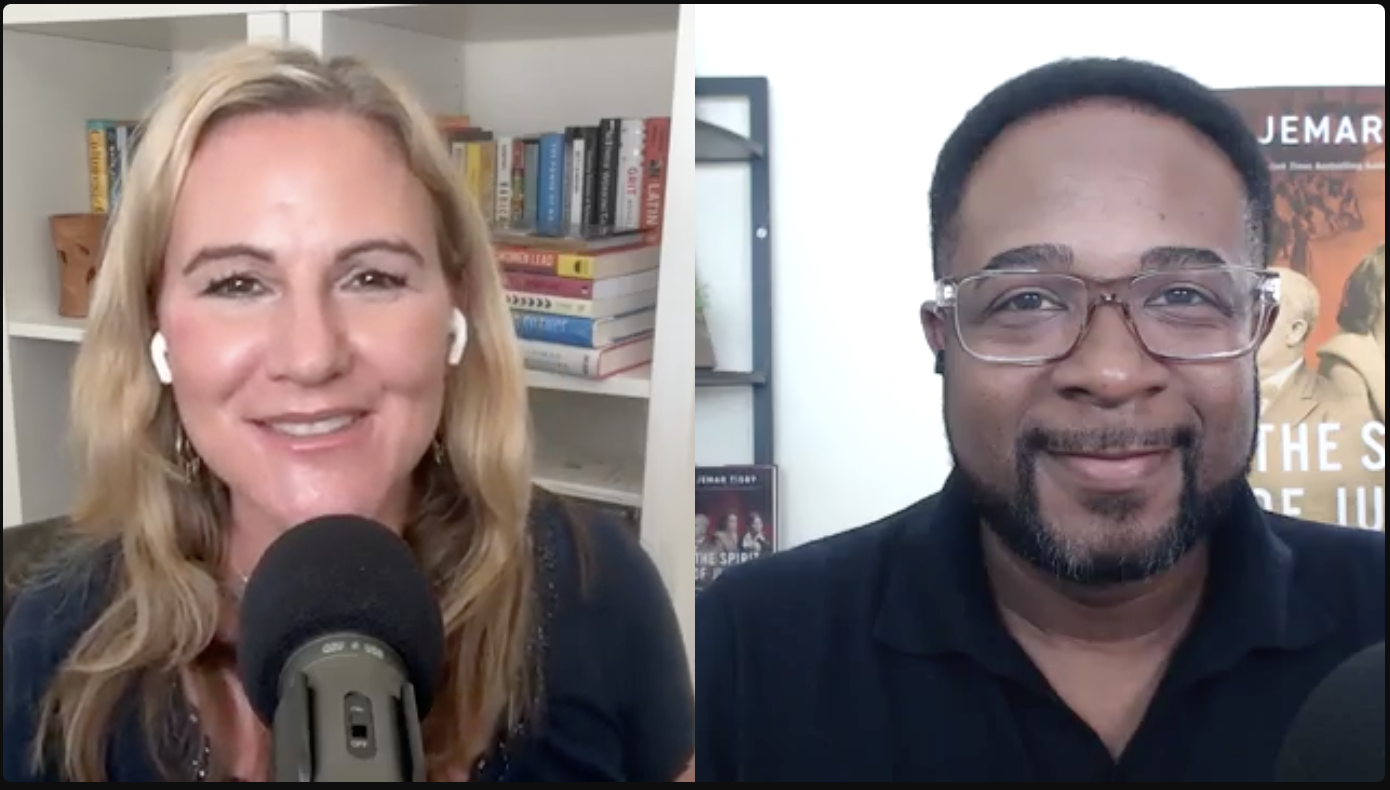
Sarah McCammon on Politics, Media, and Leaving White Evangelicalism
Uncover the unexpected impact of the Trump campaign on the evangelical community as NPR journalist Sarah McCammon shares her personal journey. Her book delves into the complex experiences of those navigating a transition away from evangelicalism, offering a raw and empathetic perspective. Join us as we explore the surprising insights and vulnerabilities that shape this compelling narrative. Stay tuned for a revealing conversation that will leave you with a fresh perspective and a newfound appreciation for diverse religious experiences.
My special guest is Sarah McCammon
Sarah McCammon, a national political correspondent for NPR and co-host of the NPR Politics podcast, is recognized for her extensive coverage of political, social, and cultural divisions in America, specifically delving into the intersections of politics and religion, reproductive rights, and the conservative movement. With past experience as NPR's lead political reporter during the 2016 election cycle, assigned to the Donald Trump campaign, she offers a comprehensive understanding of the impact of Trumpism on evangelical communities. Her upcoming book, "The Exvangelicals: Loving, Living, and Leaving the White Evangelical Church," draws from her personal background growing up in white evangelicalism in the Midwest, providing a firsthand perspective on the subject matter. Sarah McCammon's authoritative insights, coupled with her personal experiences, contribute a significant and authentic viewpoint to the discussion.
Don't be afraid of questions. Try to find trusted people, whether that's people in your church or outside of it, people who are of goodwill and that love you and tell them what you're thinking about. - Sarah McCammonIn this episode, you will be able to:
- Unpacking the challenges of an evangelical upbringing - understanding the complexities and impact on personal identity.
- Exploring the influence of Trumpism on evangelical communities, shedding light on shifting ideologies and values.
- Understanding the evolving demographics of American Christianity and its implications for society and culture.
- Embracing inclusivity and diversity in religious spaces, fostering a sense of belonging and understanding for all individuals.
- Analyzing the role of media in shaping evangelical narratives, providing insight into the power of storytelling and representation.
Evolving Demographics of American Christianity
The landscape of American Christianity is undergoing a marked transformation, with shifts in demographics and the growing influence of social media. As Sarah emphasizes, these changes may result in a more liberal, secular, and diverse religious demographic. Recognizing and embracing these shifts is crucial for evolving religious spaces and fostering inclusivity and diversity within such communities.
The resources mentioned in this episode are:
- Preorder Sarah McCammon's book The Exvangelicals: Loving, Living, and Leaving the White Evangelical Church releasing on March 19, 2024. Preordering helps support the book's sales and ensures you receive it as soon as it's available.
- Follow Sarah McCammon on Twitter at @sarahmccammon for updates, insights, and discussions on her work and the topics she covers.
- Subscribe to Sarah McCammon's Substack Off the Air for nuanced conversations, personal insights, and behind-the-scenes stories from her experiences as a journalist.
- Join the Difference Makers community on Patreon to access exclusive, in-depth conversations with guests like Sarah McCammon, where you can engage with others and learn how to make a difference together.
- Engage with Sarah McCammon's work and share your thoughts on her book, her insights, and the topics discussed in the podcast to continue the conversation and contribute to making a difference.
The key moments in this episode are:
00:00:02 - Introduction to the World of Difference podcast
00:00:44 - Benefits of Therapy and Betterhelp
00:01:17 - Introduction of Sarah McCammon
00:02:27 - Sarah McCammon's Background and Book
00:03:00 - Personal Vulnerability in Writing
00:14:09 - Finding Inner Strength
00:16:34 - Impact of Trump Narrative
00:19:52 - Pressure for Perfectionism
00:23:08 - Understanding Exvangelical
00:27:43 - Impact of Evangelical Movement
00:28:58 - Rise of the Nones and Impact on Politics
00:29:36 - Factors Contributing to Change
00:30:15 - Church Response and Criticism
00:32:24 - Intimate Perspectives and Voices
00:35:22 - Inclusivity and Diverse Perspectives
00:43:25 - The Impact of Gen Z in the Election
00:44:25 - Future of Exvangelical Movement
00:46:08 - Evolving Religious Spaces
00:47:28 - Connecting with Sarah
00:48:23 - Sarah's Writing and Impact
I think it's okay to pray anytime you want. And I don't think you have to know exactly what you think about that. - Sarah McCammon
Timestamped summary of this episode:
00:00:02 - Introduction to the World of Difference podcast
Host Lori Adams Brown introduces the podcast as a platform for those who are different and want to make a difference. She also mentions the podcast's sponsor, Betterhelp, and the benefits of therapy for personal growth and self-discovery.
00:00:44 - Benefits of Therapy and Betterhelp
Brown discusses the benefits of therapy for personal growth, self-discovery, and mental well-being. She highlights the role of therapy in understanding oneself and making a positive impact on the world. Lori Adams-Brown also promotes Betterhelp as a resource for professional therapy.
00:01:17 - Introduction of Sarah McCammon
Brown introduces Sarah McCammon as a national political correspondent for NPR and co-host of the NPR Politics podcast. She outlines McCammon's work focusing on political, social, and cultural divides in America, including the intersections of politics and religion, reproductive rights, and the conservative movement.
00:02:27 - Sarah McCammon's Background and Book
Brown discusses McCammon's upcoming book, "The Exvangelicals: Loving, Living, and Leaving the White Evangelical Church," highlighting McCammon's personal experience growing up in white evangelicalism in the Midwest. Brown also mentions McCammon's diverse media appearances and her current residence in Norfolk, Virginia.
00:03:00 - Personal Vulnerability in Writing
Brown and McCammon discuss the personal vulnerability of writing about one's experiences, with McCammon sharing her
00:14:09 - Finding Inner Strength
Sarah shares a spiritual moment of finding inner strength in a challenging situation outside the church. She discusses the evangelical expectation of spiritual moments and the concept of loving one's enemies.
00:16:34 - Impact of Trump Narrative
Sarah discusses how the Trump narrative of labeling reporters as the worst people has affected the perception of evangelical whistleblowers reporting spiritual or sexual abuse in churches. She highlights the importance of criticisms from within the evangelical community.
00:19:52 - Pressure for Perfectionism
Sarah reflects on the intense pressure for perfectionism and behavior management of children within evangelical spiritual formation. She shares her experience of feeling the responsibility to be a witness for Jesus through her family's appearance and behavior.
00:23:08 - Understanding Exvangelical
Sarah explains the term "exvangelical" and addresses misconceptions about the group being exclusively non-religious or secular. She emphasizes the common experience of stepping away from evangelicalism and the complexity of the journey.
00:27:43 - Impact of Evangelical Movement
Sarah discusses the well-established impact of the evangelical movement on American politics and society. She also explores the broader societal and cultural impact of the exvangelical movement, highlighting its role in the larger shift away from religion.
00:28:58 - Rise of the Nones and Impact on Politics
The conversation delves into the growing demographic of the Nones and its potential impact on American politics, as well as the erosion of the Republican base and the rise of a more liberal and secular movement.
00:29:36 - Factors Contributing to Change
Demographic changes, social media, and the impact of Trumpism are discussed as factors contributing to the shift in evangelicalism and Christianity, with implications for both politics and culture.
00:30:15 - Church Response and Criticism
The conversation explores the responses of churches and prominent pastors to the move away from evangelicalism, as well as the criticism from Christian evangelical thinkers and the need for churches to become more open to diverse points of view.
00:32:24 - Intimate Perspectives and Voices
The dialogue emphasizes the value of intimate perspectives and granular insights from individuals raised in the evangelical world, shedding light on experiences and perspectives often overlooked in academic conversations.
00:35:22 - Inclusivity and Diverse Perspectives
The conversation highlights the need for inclusivity and the elevation of voices of people of color and women in evangelical spaces, as well as the potential impact on shaping priorities, theology, and perspectives on scriptures.
00:43:25 - The Impact of Gen Z in the Election
The conversation begins with a focus on Gen Z's influence on the upcoming election and their diverse upbringing in the digital age, reflecting on the changes happening in society.
00:44:25 - Future of Exvangelical Movement
Sarah discusses the challenges faced by younger exvangelicals in forming their own religious identity and the need for more inclusive religious spaces. She also explores potential future trends in an increasingly diverse and secularized society.
00:46:08 - Evolving Religious Spaces
The discussion shifts to the evolution of religious spaces, with a particular focus on churches genuinely welcoming non-traditional beliefs and the need for meaningful connections in an evolving society.
00:47:28 - Connecting with Sarah
Sarah shares her presence on various social media platforms, emphasizing her engagement with Substack for more nuanced conversations and insights into her life as a journalist and a mother.
00:48:23 - Sarah's Writing and Impact
The conversation concludes with a focus on Sarah's impactful writing, her vulnerability in exploring personal narratives, and the importance of amplifying her voice and perspective in the media and journalism industry.
I think there's something like that, particularly in an increasingly diverse and secularized society. I think people are always going to need connection and look for meaning, but where they find it, I think might change a little bit. - Sarah McCammon
- https://www.linkedin.com/company/aworldofdifference/
- https://www.facebook.com/A-World-of-Difference-613933132591673/
- https://www.aworldofdifferencepodcast.com
- https://www.twitter.com/@awodpod
- https://www.youtube.com/@aworldofdifference
Learn more about your ad choices. Visit megaphone.fm/adchoices
Follow the podcast at:
- https://www.youtube.com/@aworldofdifference
- https://www.aworldofdifferencepodcast.com
- https://www.linkedin.com/company/aworldofdifference/
- https://www.instagram.com/aworldof.difference/
Join our Difference Maker membership community for a ton of exclusive content for as little as $5/month. (The price of your a latte at your local coffee shop to enjoy a whole month of content.) Lori's Travel Tips are included as well as exclusive minisodes with our guests not available anywhere else. Join for deeper conversations and a little fun today at https://www.patreon.com/aworldofdifference
Keep making a difference wherever you are!
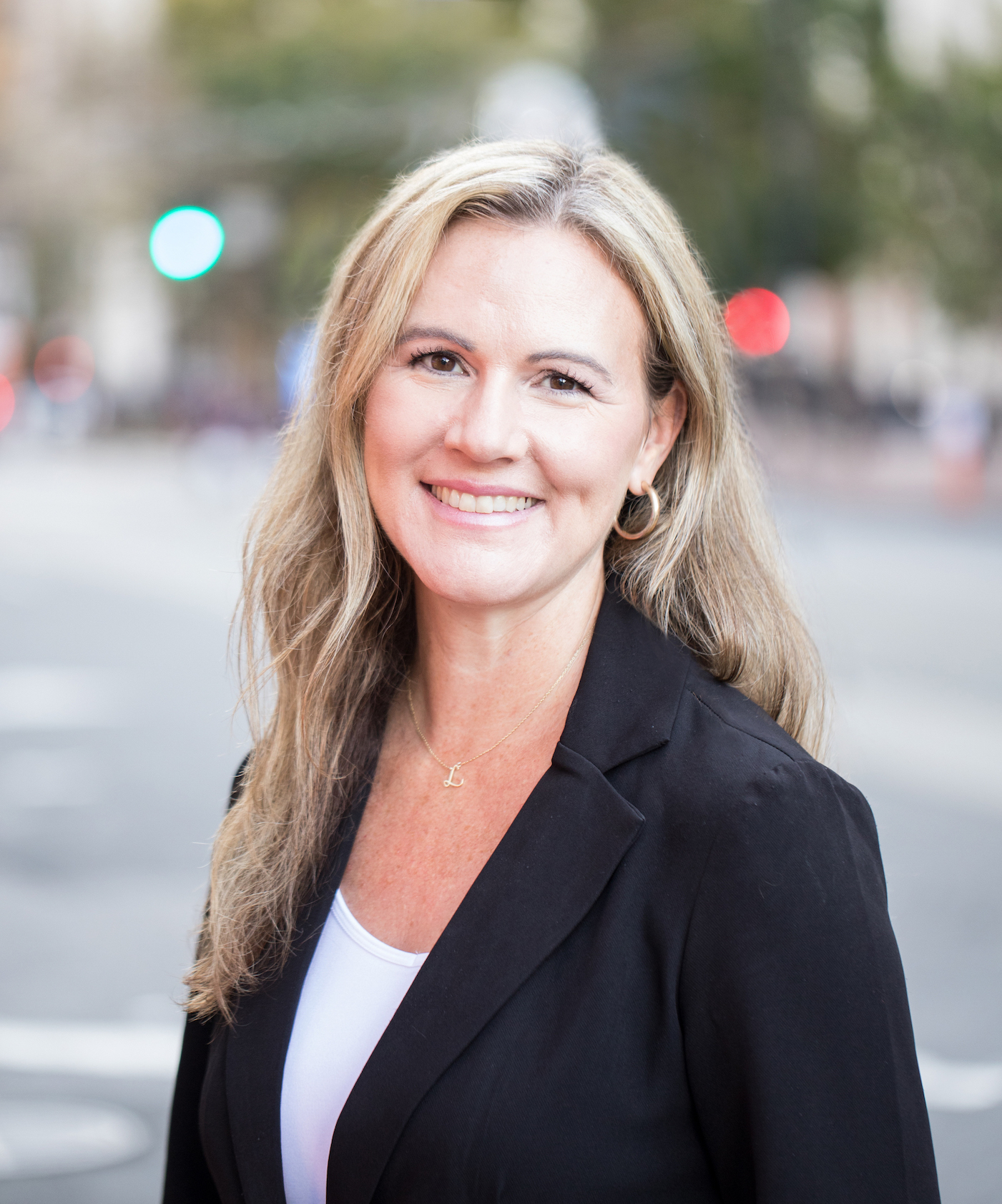
Lori Adams-Brown, Host & Executive Producer
A World of Difference Podcast
0:00 Welcome to the a World of Difference podcast. I'm Lori Adams Brown, and this is. A podcast for those who are different. And want to make a difference. This podcast is sponsored by Betterhelp. If you are a person who really wants to understand what your strengths are, maybe you're not going through anything huge in your life. Therapy is not just for those who are in crisis, although it's definitely for that. But therapy is also a place where you're just stepping into your own skin, figuring out who you are, what it is you're offering to the world around us, and how you're making the world a better place. Betterhelp is here to help you with that. And I have really benefited by deep work, understanding myself a little bit better. And I know many people have benefited from this resource, and that's why I'm proud to say they are a sponsor of this podcast. So if you are a person who could benefit from talking with a professional about anything going on in your life, I encourage you to stop by at Betterhelp. And the link I'm offering you today will give you 10% off your first month. And so hopefully that'll make a difference in your purse and pocket and wallet and bank account. So go to www.betterhelp.com difference today to get 10% off your first month of therapy. That is www.betterhelp.com difference to get 10% off your first month today. Today on the show, we have Sarah McCammon. Sarah is a national political correspondent for NPR
1:31 and co host of the NPR Politics podcast. Her work focuses on political, social, and cultural divides in America, including the intersections of politics and religion, reproductive rights, and the conservative movement. She's also a frequent guest host for NPR news magazines and has appeared on the BBC, CNN, PBS, and MSNBC. During the 2016 election cycle, Sarah was NPR's lead political reporter, assigned to the Donald Trump campaign and previously reported for NPR member stations in Georgia, Iowa, and Nebraska. She has a book that's coming out releasing March 19. I've been able to receive an advanced copy, so honored to have been able to receive one. And it is good. Everybody go preorder it. It's called the exvangelicals. Loving living and leaving the white evangelical church.
2:18 And she grew up in white evangelicalism in the midwest in the United States. She currently lives in Norfolk, Virginia with her husband and two children. She substacks at off the air. Please go subscribe and you can find her on Twitter at Sarah McCammon we'll link all of these things. I'm so excited to welcome to the show today, Sarah McCammon. Hi, Sarah. Welcome to the World of Difference podcast. Today you get to be the one being interviewed. I know that's a change of pace for you a little bit, but you have written a book, so get used to it, I guess. But thanks for showing up today to. Have this conversation, Sarah. Yeah, my pleasure. You're right. Usually I get to ask the questions, so this is a reversal for me. But I'm excited to be here. Well, I'm excited to have you and just so great to get an advanced reader's copy of this book. It's been incredible. You're obviously a great writer, but you also have an experience. And I always find that when people are researching something, if they have a narrative and their own personal experience, it just gives a more rich read to a book like that. I think about how, like Beth Allison Barr when I had her on the podcast, she's writing about history, but she writes her own personal narrative into it. And I think that it makes her a compelling read. And this one certainly did. I think. I tweeted the other day, I'm not a big crier, more like a left brain person, but I was literally like crying in the introduction.
3:39 Just, there's the way that you brought just a real depth and beauty into a very difficult situation you're describing there that just really touched me. And so looking forward to this conversation today. Sarah, thanks once again for being here. Yeah, well, thank you so much for saying mean. It means a lot. This book is obviously very personal, as well know, researched and reported, but I did bring a lot of myself to it, and that's exciting, but also a little scary. So I hoped that when I wrote it, it would resonate for people and it would mean something. And I'm starting to hear that as these review copies go out. And so thank you for that. Of course, it is very vulnerable to write about your experience. I mean, you're getting into details of your family and things that are hard, and I think, yeah, I'd love for you just to describe, because our podcast is people all around the world. We have about 85 countries, people that listen, obviously people that speak English, but some people are second language english speakers, and people of all different religious backgrounds listen. But there is something very specific and very particular about being raised white evangelical in the midwest.
4:42 So you were raised in this culture, the subculture. You describe it in the book as an insular and immense. And at its peak in 1993, some about 30% of Americans really identified as evangelicals and then you mentioned you're a twelve year old showing up to youth group in 1993, and you shyly showed up to these meetings believing the world was a dangerous place that needed saving and you needed saving from. So describe a little bit about this experience for those who haven't really walked in your shoes and don't know what it's like. Yeah. So I grew up not exactly smack in the middle of the country, but pretty much in the middle of the United States, in Kansas City, Missouri. And it was only later that I realized that I was growing up in a really, like you said, massive subculture. Depending on which numbers you look at, it is something like a third of the country or a little less identified as evangelical at that time. If you talk about white evangelicalism, it's a little bit lower, maybe like one in four. But by a lot of measures, it was the biggest religious movement in the country.
5:45 And yet, especially for families like mine, that were all in. We were all in. We went to christian school, we went to church every Sunday. Some people went more often than that. At times in my childhood we went on Wednesdays or I went to events on Wednesdays. We had christian books, christian movies, christian magazines, all from an evangelical point of view. So a theologically conservative protestant point of view. The world that was presented to me as a little girl was one where everybody was born into the world, a sinner and was going to hell. And this was tied to the idea, I guess, in some traditions of original sin, Adam and Eve and the Garden of Eden. But the idea was that literally, unless you believed in Jesus and believed the right things about Jesus and followed Jesus, you were not saved. And we had to make sure we were saved, and we had to make sure that the world was saved. And so that meant witnessing was the term we used. Sharing the gospel, sharing our faith with our friends, with our family, with our neighbors. It might mean in youth group, in high school, middle school, there was a time I went out street witnessing, we called know, passing out little tracks to tell people about our beliefs about Jesus and tell them that they needed to believe in him and pray a prayer and ask God to forgive them so that they could go to heaven too. We funded missionary work around the world. And the thing that was really central in my particular upbringing
7:15 and I think has become a really powerful part of this culture in the US, is the political project that became aligned with white evangelicalism. My parents took me to anti abortion marches. They volunteered for republican, usually Christians who were running for Congress and for other offices. And it was all intertwined for us. It was all connected to this vision of the world where the world was fallen and broken and we needed to save it, or we needed to not personally save it, but introduce people to the truth so that they could be saved. That's what I was taught. And that created sort of a bubble around me. I had very little exposure to, well, very sort of controlled exposure to non christian movies and music and things like that. And some kids who grew up evangelical or fundamentalist, even more conservative kind of version of this have no exposure or virtually none. There is a spectrum, but for me, it was very minimal.
8:17 And this is kind of the only world that I knew except for one or two people in my life, including some extended family members who did not believe what we believed. Yeah, I remember reading about your grandpa and the book and just there's so many heartbreaking parts of your family, and I know that people reading it are going to relate because it's not like your situation is rare in a way, there are others who grew up exactly like this. And then you mentioned the intertwining of politics with your faith community and how that happened for you growing up. So that led eventually to you becoming NPR's lead reporter in 2016, assigned to the Donald Trump campaign, which meant you really were a target of Trump's followers, who would be whipped up into this sort of excited frenzy to point at you. I'm using air quotes, disgusting reporters who were, quote, the worst people and laugh. And basically you write about this. His shtick resulted in what sounds to me like a lot of trauma responses that must have been happening for you and other reporters coming up. But as you were raised in sort of this evangelical purity culture, that didn't really give you the skills to trust your body necessarily. How, as a reporter, did this affect you physically, emotionally, and spiritually? To work in such a really traumatic work environment during that time? It was stressful, and I think it was stressful or would be stressful for almost anybody, regardless of their personal background. I will say I
9:47 have colleagues who go to war zones, and it's nothing on that level, but it's unexpected in an environment like this. At a presidential campaign rally, although it came to be expected for me, though, I had largely distanced myself from my evangelical upbringing by that point. I was in my early mid thirty s at the beginning of the campaign. It wasn't like I wasn't interested in religion or Christianity. We can talk more about that at some point if you want, but I didn't consider myself an evangelical. I wouldn't have used that label. And I tried to sort of separate that childhood experience from my work. I went into journalism because I really had pretty traditional views of journalism. I didn't want to be an advocate. I didn't want to push a certain agenda. I truly was drawn to journalism because it felt like a place where I could freely ask questions and not have to have predetermined answers, like I so often felt as a child I was supposed to have.
10:45 And that was really exciting for me and exhilarating. And so journalism felt like a space to do that. But fast forward to, like I said, my early mid thirty s. Two thousand and fifteen, two thousand and sixteen. I'm assigned to cover the republican primary. I wind up kind of unexpectedly as things go for most people covering Donald Trump. No one really saw that coming until it was there. And I was sort of face to face again with a lot of these themes. And even some of the same people and political leaders that had know, kitchen table names in my household were suddenly endorsing Donald Trump. And everyone was trying to make sense of that. And so it was this very strange position to be in as a reporter who had tried to kind know, be professional, be neutral, and yet I knew so much about this world.
11:31 And so gradually that I think I came to see it as actually an advantage, something that helped me to kind of understand what I was looking at and ask, I hope, some of the right questions and maybe help explain this phenomenon to people who had less familiarity with evangelicalism. But to get to your question about trauma, I think the experience of, like I said, of being sort of hemmed in by an angry crowd would be stressful for anybody. For me, there was this extra element of I would be, before these rallies, off to the side, talking to people in line or in the back of these stadiums and arenas. And sometimes people would have religious symbols or they would bring up their faith. And in general, regardless of religion, they reminded me of the people I grew up around in the midwest. And it was a little startling sometimes to see people go from completely normal and conversational to the moment that Trump took the stage and whipped up the frenzy.
12:28 They would get so angry. And a lot of that was directed at us, and it wasn't personal. We just become symbols. Know, I guess, of the establishment of the elite, of whatever it was that people were angry at. And Trump was happy to use us as that. So one of the things I write about in the book, though, one of the kind of shocking for me, surprising experiences I had was the weekend before the election, the heat had really kind of turned up. We were going to the press corps that was following Trump was going to all of these kind of back to back rallies like they have right before an election. The crowds were kind of especially angry and intense, and I think excited, too, because the election was about to come and I was just exhausted. I had very little been, you know, hopping on planes and buses. And it's kind of that point in the campaign when you're just over it. And I just found myself kind of praying and also thinking as people screamed at us about really what Jesus taught about loving your enemies.
13:33 And I'm not somebody that is super spiritual or goes to services a lot or anything like that, but it really felt like this strange, almost ironic moment where it felt like a very spiritual moment for me. And maybe that's what faith is ultimately about. It's not always something that you choose or that you work up. It's just something that is sort of a gift. Right. And that was the form it took for me, and that is relatively unusual for me, but it gave me strength and it made me feel like almost a form of compassion. Like, I don't know why these people are so angry at me. I don't think it's about me. I think it's about something else that I can't control. But it was sort of a spiritual moment to figure out how to find that inner strength and just move through it. Yeah, that's the part where I teared, really. I was sitting in a coffee shop here in Silicon Valley reading that. And, yeah, that was just a really beautiful, deeply spiritual moment, I think, that know, in evangelical Christianity, which also formed me, even though I was in another overseas being formed by that, sometimes people expect the biggest spiritual moments to happen in the four walls of a church. But you experienced it in a very real situation. Some of my favorite christian authors will point toward those passages, too. Like, the mark of a Christian is somebody who can truly spontaneously love their enemies. And that's not an easy thing to do. And the
15:05 fact that you had that experience is really what kind of brought me to tears. Thank you. And it wasn't even like I did anything or made a choice or did something good. And I'm sure that this is something that happens to other people who, and I don't think it's probably unique to, I'm sure it's not unique to my tradition, and I want to be careful to say that. Right. But my own faith these days is very kind of mystical, and I don't really know what to make of something like that. And it's not normal for me. And I don't want to sound either like, oh, I felt such compassion and empathy. It was almost just like something outside of me was like, getting me through that. And I was grateful for that moment, whatever it is.
15:50 Absolutely. No, I think that hearing you say that is exactly how I read it in the book. So I think you portrayed yourself accurately now that I hear you say it, because that's kind of what I came away with for you and that situation. And I think it's a really beautiful moment. And I do hope people buy your book and read it, because even just for the introduction, it's a good read. So moving on to some really more questions that I think are trying to bring all this together because you have a perspective that's really important. Not only were you formed in this community, you got to see firsthand what's happening in these rallies where now we're in a situation where christian nationalism is just very out in the open, and it's very much happening in the churches. We're seeing things very openly that weren't so open before. But as I think about some of the abuse allegations that are continuing to roll out, about some of these pastors, evangelical pastors that are predators, I'm thinking of the Southern Baptist convention, but not exclusively them. In your hometown, ihop Casey has a lot going on right now. But as we think about these evangelical church leaders who have these abuse allegations coming out, how do you think some of the Trump narrative, that reporters are, quote, unquote, the worst people, has formed hearts and minds of evangelicals in the pews as they hear about these christian whistleblowers of spiritual or sexual abuse that are talking to reporters. How are they connected?
17:13 Well, I don't think it helps, but I also think it didn't start with Trump. I grew up being warned about the media as if it were all one conglomerate with a unified brain or something. And in reality, the media is so many different things. That's another conversation. I grew up being actively steered toward sort of approved publications, whether it was Fox News or publications with a specifically christian conservative worldview. So there's a long history there, and there's a long history of politicians attacking the press. Trump was not the first, but I do think it was one of his key strategies, and he upped the ante in a big way. And that has had the effect, all of that taken together, of delegitimizing the press to a large degree in people's minds. And so I wonder. I think it's a good question. You ask what it means for these kinds of reports about sex abuse in churches. How many people are less likely to take them seriously? I can only speculate, but I will say that I think it's why sort of criticisms from inside the house are especially important right now. I think of World magazine a few years ago did some really excellent reporting on the late Ravi Zacharias and sexual abuse allegations from some of the women that had worked, I think, around him. More recently, Nancy French, the writer Nancy French has done some
18:44 reporting on abuse claims at places like Canacook camp. And I think that's really important because understandably, we live in a big, messy world, and people are not always sure who they can trust. And I wish they would trust me. And I can tell you that I do my best to be honest and fair, but if they don't, they might be more likely to listen to somebody inside the house and inside the family critique than they would someone like me working for a mainstream media organization. And so I'm really grateful to see some of those publications and journalists doing that kind of work. I think it's critical I do, too. And thank you for the work that you do and all the journalists. I have said many times over the last year. Plus, I feel like in what's happening in evangelicalism, I become really grateful for reporters, investigative reporters and the lawyers like Boschevijan. I'm so grateful for the department of justice because I feel like sometimes inside, it's hard to get the information, and it has to be from the outside on a certain level. So I'm really grateful for people shining a light, and it's hard work. And I'm so grateful for you and others who do that work. I think about in the book, you talk about, like, as a child, you're the oldest of four. You have these blonde, well behaved children, these three little girls spaced three years apart, and a brother who was a surprise to you. What a brother.
20:07 And then you say, you know, at that stage of your life, you knew that your neat appearance, your obedient behavior in public was one small way you could be a witness for Jesus, displaying what a family could be and should be know. A father, a mother, four obedient children fresh from the church, eating apple pie together. And then you say, everywhere we went, everything we did, we were told we must be ambassadors for Christ. How would you describe the way this intense sort of pressure for perfectionism and behavior management of children was sort of intertwined with your evangelical spiritual formation at the same time? Well, because we believed that we had the truth and we believed that the world was dying literally without it. It was so important that we convey that to other people, starting with the people we had contact with. And we didn't have contact with a whole lot of non Christians. As I've described, my whole world was pretty much church and christian school and evangelical circles. But on the occasions that we did, it was important to shine a light. There's this verse in the New Testament, let your light so shine before men that they will see your good deeds and glorify your father in heaven. And that was one that was quoted to us, and I'm sure in Sunday school and church and probably christian school, too. And there was just this idea that you had to exhibit with your life, the joy that came from being a Christian, the peace that passes
21:39 all understanding, to quote the Bible as well. And the challenge was I didn't always feel that peace and joy. I mean, I sure wanted to, and I wanted to share the good news, and I certainly wanted my extended family that I've mentioned, especially my grandpa, to get saved, quote unquote. And so I felt that pressure, particularly around them. It felt like a huge responsibility, and it was about being on your best behavior, just showing everyone that we kind of had it figured out. I mean, that's not how anyone would have put it, but that's kind of how it felt. Yeah. It has to be a lot of intense pressure as a child, and I'm sure processing that now as an adult is not easy. I know many people are in that space, which is kind of why you've written this book, for people to help themselves find themselves in your story. And that's the thing about story, right. Is we can see ourselves in other people's stories, right. There's these few stories in the world, and when we tell them people, other humans, can relate to parts of it. And you have this term exvangelical, which has been used quite a bit, and I'd love to know how you define the term. And also sort of what misconceptions are out there about this group being often viewed either exclusively non religious or secular, but not counting some, that sort of really help to remain spiritual. What is your take on all of that? Yeah, well, you're right. I mean, I think that there are huge
23:11 commonalities between people who've in some way walked this journey. Part of it is because while everyone's experience is different and there are varieties of sort of sub subcultures and different traditions within the evangelical tradition. There was this what I call kind of and what others have called kind of a parallel universe of sort of this curated world of evangelical culture and media and language and thought that so many of us were exposed to. And so there's a common experience, and there's a common experience in stepping away from that world. There's a sense of, I think, a loss of community, for sure. There's a lot of fear and anxiety about getting it wrong because we were told that was, like, the worst thing that you could do. And then there are questions about, well, what am I now? And who am I now? And so I came across the term exvangelical as I write in the book, reporting a story in 2016 about some of the divisions within the evangelical movement that had been not necessarily created, but certainly catalyzed and exacerbated by Trumpism. And I started kind of following that hashtag on social media, and it was coined originally by Blake Chastain, who has a podcast by that name. And I just began to see a lot of conversations kind of unfolding around that terminology. Quite simply, people who were once evangelical, who no longer feel comfortable with that label, for whatever reason. And so that's how I've defined it. And I also talk about
24:42 the fact that evangelical is a very sort of squishy term that sociologists and pollsters struggle to define. But I think it's easy to point to a number of things. And I kind of organized the book thematically around some of the sort of tension points with the predominant white evangelical subcultures that so many of us grew up in, I guess, the rest of the world, whether it's the understanding of science or the lack of acceptance of things like evolutionary science that so many of us experienced in our churches and our textbooks, whether it's that or understandings about sexuality, purity, culture, LGBTQ people, there's a whole variety of sort of tension points that people kind of identify that made them struggle with being part of the white evangelical movement, the people that I talk to. And so the reasons are all a little bit individual. But again, the experience is similar. And I think there are some misconceptions about what that means. It doesn't necessarily mean that people have abandoned religion altogether or don't care about spirituality. I think there's a misperception that people leave their churches because they want to, quote unquote, sin. And certainly people change their behavior when they leave their churches, sometimes because they've changed their beliefs. But in my own experience and in talking to many others for this book, it's much more complex than
26:14 that, and it's very painful. I think for a lot of people, it'd actually be much easier to stay. This is the harder path, but it's, for a lot of people, the more authentic path. Yeah, absolutely. That's been my experience of so many that I know. And it feels sort of like the floor has fallen out from underneath you. Or I've heard people say, once the clouds parted, I wish they would have gone back, because to keep your community would certainly be an easier route in some ways. And some people go that route, just sort of live with the cognitive dissonance and try to sort of push it to the side, and others choose to leave. And either way, it's a hard journey once there's some questions or people feel like they don't align with some of the behavioral management that has been passed on to them in different ways.
27:04 But I want to step into this question as we think about the subculture of that, how it influenced what we mentioned earlier, some of the christian nationalism we're seeing more prominently now and very much more on display in sort of January 6 and that type of thing. But I'd love for you to discuss, I know as a reporter you've got to stay very descriptive and analytical, so feel free to stay in that realm. But would you discuss with us the broader societal or cultural impact of the evangelical movement, particularly in the context of some american politics and societal issues that you're seeing right now of the evangelical. Movement or the exvangelical movement? Sorry? The ex evangelical movement. Yes. Thank you.
27:46 Yeah. I mean, I'm happy to talk about either one, but I think the evangelical movement's impact is well established. Right. The majority of the republican base and continues to have an, even as white Christianity shrinks, continues to have sort of an outsized impact on american politics. But the exvangelical movement is, I think, more loosely defined. And I want to be clear. I didn't write this book to tell people how to vote or who to support for any office. That was not my interest. But I was seeing all of this conversation around sort of the post evangelical experience and this term deconstruction that's become really popular online the last few years, which describes this process of rethinking what you believe and trying to understand it maybe differently or ask questions you hadn't asked before. But I think that a couple of things, I think we don't fully know what that movement will mean. I think it's part of a larger shift away from religion, although that doesn't, as we just discussed, doesn't necessarily mean that everybody who leaves an evangelical church is becoming secular or will stay secular. But we do know that the category that sociologists and pollsters call the nuns N-O-N-E-S O N E S has now become larger in the US than white evangelicalism which I think could have tremendous impact on american politics going a You're talking about a real erosion of the
29:17 republican base and that's growth in something that's much less defined and much more liberal and secular And I think it's a product of a couple of different trends or historical events that have kind of happened at the same time One is just demographic change The country is becoming less white a less religious as really whole And that's really hitting Christianity the hardest because it's the dominant religion here Social media is can big factor People can find one another now online and have a conversation about anything And I think these hashtags a emerged out of a shared experience and about desire to talk about it And then of course we talked about Trumpism And Trumpism is just kind of I think the tip of the iceberg It's a symptom of politicization long term increasing politicization of the religious movement That was evangelicalism I think again how politically all shakes out politically and culturally will remain to be seen But I think churches are paying attention One of the in I talk about in the book is some criticism from churches and some prominent pastors as well as some christian evangelical thinkers who have tried to understand this move away from evangelicalism and Christianity among especially many younger people And so it'll also be interesting to see how churches respond I think some are responding Some are trying to become less political or more open to questions and a
30:48 diverse range of points of view There's just been a lot of ink spilled though about white evangelicalism and christian nationalism and the politics of the movement and the history of the movement And it's all very a and I cite a lot of those sources in my book But what I really wanted to do was talk about what people raised in this world which is have lot of people have seen and know and the perspective that we bring to these conversations because I think it's much more intimate and sort of granular than some of these academic conversations a have happened for a long time So I hope it's valuable in that regard too That will just inform some of these conversations No I think you're right I think absolutely And I think we'll continue to watch and see what happens But I think that the shared experience of people finding these hashtags who may have been told what you were told about the Smurfs too Were you told that No I was not a God I missed a lot of things being in another country but yeah no I've heard that from the as well that the Smurfs were demonic Demonic Yeah I was like I just want to watch the Smurfs guys I wasn't scarred by that or anything I just think it's funny now Oh it's hilarious a I was actually Halloween Smurf at for Halloween one a which I know had lot of people had to miss Halloween from their evangelical upbringing too So I feel like that little bit privileged that I didn't have to miss individuals Was there a particular story that moved you in any particular way or changed your perspective at all on the whole evangelical community
32:21 It was so kind of cathartic and fascinating to talk to people I called up old friends I reached out to people I didn't know that were on social media I talked to authors that I'd admired and kind of tried to form collage sort of composite collage of some of these perspectives and a range of different experiences So I can't just pick one But I will say I think the types of conversations that maybe were the most informative for me were the dialogues I had with non white Christians who had experience in white evangelical spaces I mean I knew growing up a we were taught a lot of good things that least on paper that we were taught that everybody was made in God's image that racism was wrong and that God loved everyone equally And I so grateful that I was taught those things and I obviously believe those things But our churches and our schools didn't look really like America They were overwhelmingly white spaces And I don't think at the time I really understood what that meant Know the ways that marginalizing certain voices shifts the person The people who aren't in the room aren't part of the discussion And so talking know black christians like Jamar Tisby about their experiences in these spaces and the way that that felt and looked was really I mean it's kind of heartbreaking but also informative For
33:51 know Dr Tisby and some of the people in his circles talk about decolonizing Christianity know white Christianity more than deconstructing it And I think that's valuable really fascinating and valuable perspective because Jesus was fundamentally about inclusion I believe and elevating voices of people that weren't always elevated And I think that something I wonder about a lot is how different our churches would look if people of color and if women and others who are not always centered had been centered and included in a more prominent way I think we would probably have a different set of priorities possibly and it would even shape our theology and it would probably shape the way we look at scripture What are the verses that we highlight and we worry about and we focus on and what are the ones that we think are just a vestige of culture I think those questions cannot be answered in isolation or just by one kind of person I think about that a lot too And my favorite thing about Jesus and one of the reasons I just can't let him go is because of how inclusive he I once again I think about that a lot too because I think Jesus was so inclusive I mean just the way he interacted With women with people who were oppressed is something that is I want to be like that's And so yeah that's one of the things that I see him often misrepresented in evangelical lot of white evangelical spaces especially in the
35:22 christian nationalism for a very extreme example But yeah I do think that over time if you and I had both been in circles where it wasn't a lot of just white men preaching the sermons even a the theological books read lot of us read were written by white men and translated into Spanish for Indonesian or Malay for know like these other languages that I was exposed to a lot of the people writing and preaching were know this industry And Kristen Covez Dumay when she came on the podcast talked a lot about the publishing industry And you you go into that, little bit of that too how influential it was in white evangelicalism and the books people a it is centering a a perspective when there's a whole world of diverse opinions As can NPR journalist though can I Just say quickly I think there is another ditch people sometimes fall into which is to say well most people don't say it explicitly but to essentially say well Jesus would have been liberal. Democrat and a liberal And I just think that I don't like any of that personally I would rather that we just sort of I mean I think we just have to acknowledge though at we all looks at anyone who looks at the Bible and takes it seriously in one way for another as instructive for their lives We all bring our perspectives and our life experiences and our biases and I think we have to be honest about the fact that different people have highlighted different things And I'm not saying that. only conservatives do that Or only white men do a But it's just a human tendency that we
36:52 have to be honest about I think if we'd start with that we'd have and more interesting conversation and probably more authentic Absolutely Yeah And I mean it's hard to even picture Jesus in an american political a because it's like a middle eastern man I don't know It's such a It's kind of a silly a it's kind of a ridiculous project Overall which is the whole like Jesus and John Wayne a picturing him as a cowboy is a a bit of a stretch for me But anyway but you're an NPR journalist now You've grown up in this environment How do you see this role of media in sort of shaping this conversation around evangelical stories I think particularly around we're seeing more things come out in the press around spiritual abuse that's contributed to many who have ended up in this ex evangelical community What is sort of the role that you think the press can play Well I think it's actually gotten better at least over the course of my career 20 plus years or so at this point I think I see more well there are more publications out there and I see more people with frankly knowledge and experience in these communities in national media And I think that's a good thing I think too often evangelicals a sometimes reduced to and few talking heads and a few representatives of the movement when evangelicalism is such a big movement and it's not just white and it's not just one thing And so I think it's important to
38:24 hear from people who've lived it not just their leaders who have an agenda that may or may not always align with them. people who follow them And that includes people who left it and who know this world firsthand and can sort of think you know one more voice in these larger discussions It's too easy just to know one famous leader and I'm not going to name names here but we can think of some of the and ask about the evangelical vote in Iowa or whatever And I've done that but it's more texture than that And that's why I think as a journalist I try to get out and talk to average people as much as I can and listen to what they're saying and try to understand how they're thinking But yeah again one of the reasons I wanted to write this book is just to keep creating about space to talk about the fact that there isn't just one evangelical experience And I think for journalists it's important to talk about all of that as honestly as possible and that requires having so context Yeah that's so good I know the life of a journalist is so busy There's just hard hours Deadlines come fast You're on planes and trains and dealing with getting to political rallies and stuff like that But to be able to take the time to interview people who don't maybe have a big platform just to hear from an average person in the pew or whatever can be really impactful Those parts of the stories that I read they stand out They really do because we kind of hear over and over again the people with the big platforms We kind of know what they're going to say There's management lot of
39:55 image management with that but sometimes just talking to your average person really gets you some really gold nuggets there And so thank you for doing that work Really based on your research and your personal insights I'd be interested to know what advice you would give to somebody who's sort of navigating this journey right now We probably have people listening that are sort of on the fence about whether to stay evangelical 1ft in 1ft out maybe those who are freshly left but some of those who are still trying to navigate their way out of it Were there any patterns that you saw as you were interviewing people Any advice that you have based on what you researched and read I mean I'm really hesitant to give advice because I'm a journalist and that's just not what I do I guess the only advice I would give would just be as me Sarah not as clear, journalist To be clear I'm not an expert. I'm not an expert Everybody is on their own journey I think if I could give advice to myself going back my younger self that's probably what I most comfortable saying I would tell myself to not be afraid of questions to not be afraid to learn Sometimes I feel like looking back I had to sort of read go to museums that talked about evolution or read books about the history of religion It's almost like squinting because I didn't want to see something that would
41:25 rock my faith or threaten my belief system because it is so scary to think about changing your mind about something And then it's sort of like well where does it go And I just want to fully acknowledge that fear And I think if I could go back to my younger self I would say don't be afraid of questions Try to find trusted people whether that's people in your church or outside of it people who are of goodwill and that love you and tell them what you thinking about and you have to choose those people wisely But I think I found them to some extent Even at my a college I had that lot of professors that were very thoughtful people and that I could talk to about some of these things like not everything all at once but pieces of it And then I have an aunt who is not religious but is spiritual And she's been someone in my adult life who's been really helpful supporting just sort of supporting me and loving me regardless of what I think with no strings attached for myself I think there have been times when I felt like I didn't know if it was okay to pray if I didn't really believe or if I wasn't sure what I believed Was I just talking to thin air or was my prayer insincere or something But I think it's okay to pray anytime you want And I don't think you have to know exactly what you think about that's I think something that's been kind of nice for me as I've gotten a little bit older is that I almost feel like I have
42:55 that impulse to pray more now than I did when I felt like I had to figure things out first I don't think that God needs me to have a systematic theology worked out before I say also prayer And I also look around the world and I realize that humans have prayed in all kinds of different ways and it's a very human impulse And I think that that is beautiful and should be part of that process too for those who want it to be Great advice to your younger self And we all gleaned from it it's beautiful As you think about the people that you interviewed for this book and then what you're seeing kind of happen right now We are in a election year There's a lot of talk out there We see a lot of the Gen Z that are eligible to vote this time. that weren't last time And as you mentioned they're much more diverse They've been raised to social media My 16 year old told me the other day she's like we look at millennials and they're like the last generation a wasn't raised with a phone Sometimes we kind of envy them Like she likes to watch early 2000 movies because like that time before we have happening lot of changes happening certainly our society And certainly the ex angelicals here in the US are a huge part of it So what future developments or trends do you anticipate for the exvangelical movement and maybe its sort of impact on broader
44:26 religious and cultural landscapes Again I don't like to make a ton of predictions It's funny though I've had similar conversations with my kids especially my younger one about nostalgia for a time that he never knew and that I don't remember that well and I'm sure you don't either that well But yes nonetheless I guess I have more questions than predictions I'm curious to see where sort of younger exvangelicals people who maybe were raised with some evangelical tradition but have sort of stepped away from it where they go if they don't have their own religious tradition This is something that I touch on in the book is just the challenge of figuring out when you form your own family how to form that family and how to raise your kids and what to tell them if you yourself are deconstructing or uncertain about what your want to. attach your identity to And I'm also curious about how churches respond I touched on this a moment ago but will churches figure out ways to I mean genuinely welcome people who are not just say you can come and be with us and we'll tolerate you but will there be more religious spaces for people who don't feel comfortable with christian traditional evangelical or christian set of beliefs I visited a church like that in Nashville and wrote about it sort of later in the book and it was interesting to see kind of how that worked and how that felt And I think we might see more in like that
45:59 particularly in again an increasingly diverse and secularized society I think people are always going to need connection and look for meaning but where they find it I think might Change a little bit Yeah I think so I think we're seeing that here on the west coast too A know just finding new ways And certainly the pandemic had its own factors and a lot of that for a lot of people So yeah interesting to hear your perspective on that Well I do want to ask you one more question and we'll have you hang out again later for our Patreon our difference makers community But for this conversation I do just a to give you a chance to let people know if they want to read more about what you're writing How can people find you Where are you And let people know I'm on all the social medias pretty much but I'm trying to write more and more on substac because I feel like I can have nuanced little bit more nuanced a and I share a little bit about life on the road as a reporter and also sometimes personal things I'm and mom of teens and tween so to be teen so I'm just Sarah McCammon on substac MCCA Mmon And my substac is called off the air because it's kind of my little side project when I'm not on the radio and I'm unfortunately still on Twitter and my dms are open but I would just encourage everybody to start at substack I free to subscribe I do take
47:30 paid subscribers but everything I've never put anything behind and paywall so far and don't plan on it as long as I am employed full time as really journalist So it's really just mostly for fun and stay nice way to stay in touch with people who are interested interested the things I'm interested in Awesome Yeah I love your substack And everybody go subscribe to the substack And if you have a little extra money let her be paid for her work Only if you want to It's like public media We say you can but you know Set them into giving you a little support Thank you so much for this conversation today Sarah It's be so great to be able to read your book get to know you a little better through your writing and through this conversation And yeah thank you for the great work that you do Thank you so much This has been great I'm so grateful for that very nuanced conversation with Sarah I just love hearing her perspective I loved reading her book It's so well written She's a good writer but she also brings herself into the story Her own personal narrative is so compelling but she's in the middle of history walking alongside things happening with the Donald Trump campaign in real time She's very vulnerable about her own upbringing in white evangelicalism and in her family What that was like for her and know includes personal narratives of others that she spoke to about the book as she was researching this exvangelical community with so much nuance so much care
49:01 And it's really beautiful book It really helps dig deep For those of you in any religious environment the currently or in the past you will find this book to be so insightful She really brings that lot of nuance that we so much need in the conversation and she just authentically shows us kind of where she's at And a so refreshing in management, world of image management both in politics and religion And so yeah I found her book just so compelling So do check it out It's called the exvangelicals Loving living and leaving the white evangelical church It releases on March 19 but go preorder because that definitely helps the book sales And yeah we want to help people like Sarah out because we want to continue to hear her voice read her writing and have her be there at the table as we're learning from her and what she's covering in the news as a journalist So a her work as a journalist and helping us see the nuance and just her courage to walked through what she walked through in the time of the Donald Trump campaign And one that's kind of one of the most compelling parts of the book that really kind of brought me to a There is just a really beautiful moment even the introduction that she describes and I can't imagine what that was like the trauma that her body must have felt by being sort of the target of anger lot of this anger and frenzy in those moments But she really is so courageous stories bring us those to and to continue to bring us stories as we're in another election year with Donald Trump up for president once again And so
50:32 please continue to follow her work once again Look for her McCammon, Twitter at Sarah McCammon and then also subscribe to her substack off the air She's once again just a great writer and she brings such good insight We really need her voice and she truly is making a difference So grateful for her to be on the show today And for those of you who haven't been following her until now I'm so glad to introduce you to her and to elevate her voice to amplify her out to the world Wherever you listen around the world to this podcast I do hope you start to follow Sarah and I'd love to hear what your thoughts were on today's podcast Did this bring in up for you in the political sense of the Donald Trump campaign or what happened in the United States in the 2016 election cycle or even what's in up this year being 2024 or just being a part of an ex evangelical community If you identify that way I would love to hear what your thoughts are about what we discussed today and whether this sounded kind of like your experience or whether there were differences that you want to bring up or if you're in any faith community and you've been having some questions I do just love the way Sarah talked about that The fear around asking questions or the fear around looking for something outside of what you've been taught in your faith community The fear around that I just loved her honesty and her authenticity about it because that is because very real experience because you don't always know where it will lead What will this mean in terms of if I leave this faith community practicing my religion in this particular way in this denomination or in this or of
52:05 my faith or even your faith in general your entire religion in general all of that can be very is like the ground is falling out beneath your feet or that the floor is unstable your very foundation feels shaken and it's hard to know which way is north And that description of what she talked about is because very real experience because our identities are wrapped up in our faith communities and that's usually our families and our friends And to question those things is very difficult And I have a lot of compassion on anybody walking through that So please do reach out Once again we go a little bit deeper with her in our difference maker community So I'd love to have you stop by ww.patreon That's P A T R E O N of That's Patreon Comaworldofdifference You can come in there try some of our in depth more going deeper with different guests and including Sarah where we go a little bit deeper with her around this conversation exclusively for you difference makers And you can try it out for free for a little bit see if you like it and then subscribe on a monthly or yearly basis But would love to have you in there where we can dm you can interact with other people in the community and we can kind of sit at the table and learn how to make a difference together around this conversation and many other conversations I think there's something like 75 posts in there now So when you join you get access to those And yeah would love to have you show up there because together. whole point of this podcast is us making a difference together
53:36 I really appreciate each of your differences each of you listening around the world I hope that yourself, take a moment today to just love yourself care for yourself and recognize your differences are beautiful beautiful And when you bring those to the table and you bring your full self to the table these world becomes brains better place when we make decisions with these diversity of brains around the table So glad Sarah brought her perspective and her brain around the table today And I do hope that
