

 Apple Podcasts

 Spotify

 Castro

 RSS Feed

 Audible

 YouTube

 Podchaser

 Goodpods

 Castbox
The Equal Rights Amendment
Why Hasn't the US Constitution Caught Up with the World? with Lori Adams-Brown
Did you know that the Equal Rights Amendment, aimed at guaranteeing equal rights regardless of sex, has not yet been enshrined in the US Constitution? It's a surprising reality, especially when considering the global efforts for women's equality. In this episode, we'll uncover the resilience, setbacks, and ongoing advocacy surrounding the ERA in the United States, while also delving into the international bill of rights for women known as CEDAW. But here's the kicker - despite strides made through international efforts, disparities persist, underscoring the need for continued advocacy and support. Join us as we unravel the surprising history and explore what can be done to champion gender equality. This is a call to action for making a real difference in the fight for women's rights. Stay tuned for an eye-opening revelation that will spark your curiosity and inspire you to take action.
In this episode, you will be able to:
- Discover the transformative benefits of therapy for personal growth and empowerment.
- Uncover the profound impact and historical significance of the Equal Rights Amendment.
- Explore the global efforts and impact of CEDAW in advancing women's equality worldwide.
- Learn about the pivotal role of grassroots campaigns in driving political movements for gender equality.
- Understand the vital importance of voting for advocates of gender equality in creating lasting change.
It's time. It's 2024, and all these other countries around the world have signed the CEDAW agreement, and the United States still hasn't. And also, we don't have an ERA for our own constitution, so what can we do? - Lori Adams Brown
Global efforts of CEDAW
The Convention on the Elimination of all forms of discrimination against women (CEDAW) is an international treaty that aims to end discrimination against women in all forms. Global efforts under CEDAW highlight the importance of gender equality and the need for legislative measures to protect and promote women's rights. Supporting CEDAW initiatives can contribute to creating a more just and equal society for all individuals.
The resources mentioned in this episode are:
- Visit www.betterhelp.com/difference to get 10% off your first month of therapy.
- Donate to Justice Revival at www.justicerevival.org/donate to contribute to initiatives aimed at advancing gender equality, including efforts to promote the ratification of the ERA and uphold the principles of CEDAW.
- Join the #Faith4ERA campaign at Justice Revival with any faith community to bring your experience and perspective around the movement for women's rights.
- Join the Difference Maker community at www.patreon.com/aworldofdifferences to access exclusive episodes, interact with exclusive posts, share your thoughts, and influence the direction of the podcast.
- Support organizations dedicated to the cause of gender equality, such as Justice Revival, by donating and standing in solidarity with women everywhere to ensure that the promise of equality becomes a reality for all.
Human rights, women's rights, which are human rights, is so important. There's a lot of things we can get wrong, but that should just be a basic foundation. - Lori Adams Brown
Impactful Equal Rights Amendment
The Equal Rights Amendment (ERA) in the US aims to constitutionally guarantee equal rights under the law for all genders. Despite facing hurdles and delays, the ERA remains critical in advancing gender equality and ensuring fair treatment for all individuals. Advocating for the ratification of the ERA is essential to promoting equal rights and opportunities for women and girls.
Together, we can come together with our differences, male allies, women on behalf of our daughters and granddaughters and future generations, but also for us now. - Lori Adams Brown
Learn more about your ad choices. Visit megaphone.fm/adchoices
Follow the podcast at:
- https://www.youtube.com/@aworldofdifference
- https://www.aworldofdifferencepodcast.com
- https://www.linkedin.com/company/aworldofdifference/
- https://www.instagram.com/aworldof.difference/
Join our Difference Maker membership community for a ton of exclusive content for as little as $5/month. (The price of your a latte at your local coffee shop to enjoy a whole month of content.) Lori's Travel Tips are included as well as exclusive minisodes with our guests not available anywhere else. Join for deeper conversations and a little fun today at https://www.patreon.com/aworldofdifference
Keep making a difference wherever you are!
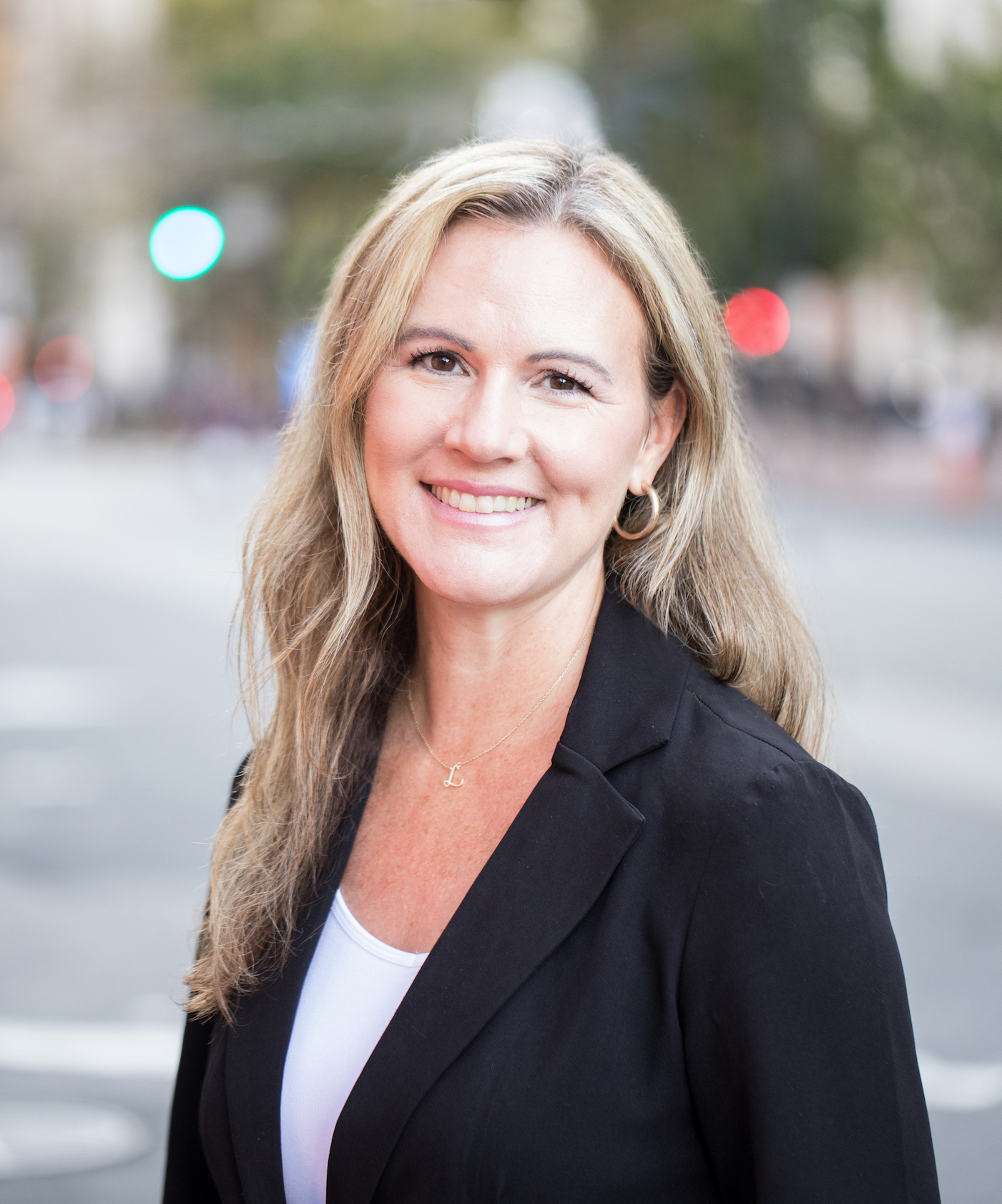
Lori Adams-Brown, Host & Executive Producer
A World of Difference Podcast
0:00 Welcome to the a World of Difference podcast. I'm Lori Adams Brown, and this is a podcast for those who are different and want to make a difference. This podcast is sponsored by better help. If you are a person who really wants to understand what your strengths are, maybe you're not going through anything huge in your life. Therapy is not just for those who are in crisis, although it's definitely for that. But therapy is also a place where you're just stepping into your own skin, figuring out who you are, what it is you're offering to the world around us, and how you're making the world a better place. Betterhelp is here to help you with that, and I have really benefited by deep work, understanding myself a little bit better.
0:45 And I know many people have benefited from this resource, and that's why I'm proud to say they are a sponsor of this podcast. So if you are a person who could benefit from talking with a professional about anything going on in your life, I encourage you to stop by at betterhelp. And the link I'm offering you today will give you 10% off your first month. And so hopefully that'll make a difference in your purse and pocket and wallet and bank account. So go to www.betterhelp.com difference today to get 10% off your first month of therapy. That is www.betterhelp.com difference to get 10% off your first month today. Welcome to a World of Difference podcast, this end of Women's History Month, where we are looking back over this month and recognizing the incredible women that have been on this podcast, not only over the past month, but also over the last year.
1:39 And when I think about women around the world, it's truly inspiring what women are achieving. And it's also important to look back over history to find out what mistakes were made, what obstacles were overcome or not overcome yet. And in light of that, today I'm going to be talking about not only walking through the annals of history, uncovering stories that shape our world, which we often do here, but today we are going to embark on a point of exploration of the Equal Rights Amendment here in the United States, alongside a comparative reflection on the global efforts for women's equality, including the Convention on the Elimination of all forms of discrimination against women. C e d a w. So buckle up. We are going to go for a ride today throughout history to find out what the obstacles were and why.
2:29 Until today, the Equal Rights Amendment has not yet been passed in the United States. So if that is news to you, this podcast will hopefully make a difference in your life and give you a different perspective on what it really means to have equal rights and why that has not yet fully happened in the US and the US Constitution. The history of the era in the United States is one marked by resilience, setbacks, and ongoing advocacy. In the year 1920, the many women had fought for the right to vote here in the United States, where I'm recording this podcast here in Los Angeles, California. But it's also important to note that even though the right to vote is enshrined in the US constitution, thanks to the work of many, many people over many years, until today, the era, the equal Rights amendment has not been enshrined in the constitution, which may be a shock to many of you around the world listening, whether you are a US citizen here in the US or living abroad, or a citizen of any of the other 92 countries that listen to this podcast. If you have always assumed equal rights were enshrined in the US constitution, today we're going to unpack a little of the history as to why that hasn't happened. Many of you know I sit on the board of a nonprofit in DC called Justice Revival, and we have been working to pass the Equal Rights Amendment, working in cooperation with others in the ERA coalition to help get this ushered in.
3:59 Very soon, because it's way past time, we're going to dig a little into the history today. The ERA was actually proposed in 1923 by a suffragist named Alice Paul. Many of you have probably heard of the Seneca Falls convention in New York. That was 100 years ago last year. And if you'll go back and listen, in March of last year, I had Alison McKinney on. She's a lawyer, and she founded Justice Revival. She was at the 100th anniversary of the era and at Seneca Falls revisiting that location. And she spoke about her work with the era last year in March on the podcast. So go back and listen to that episode for more information from her point of view and her different perspective. But it's important to note that in 1923, suffragist Alice Paul did bring this era to the United States and to the government, and the ERA basically aimed to constitutionally guarantee equal rights under the law, regardless of sex. After decades of tirelessly painting by women's rights activists, though, the erA was finally passed by Congress in 1972. However, it fell short of ratification, failing to meet the required number of states by the 1982 deadline. Now, there's a lot of information around this deadline and some of the arbitrary nature of the deadlines that have been imposed on the era, and many, many conversations around that. But all of the history has evolved into the amendment actually going above and beyond what needs to happen for it to be fully
5:31 enshrined in the constitution. In fact, all that would really need to happen at this point is for the archivist to just sign it in. President Biden could do something. There was some movement in 2020 under the Trump administration that got thwarted during that time. But if you look into the history of the eRa, it's been one of both incredible activism as well as some significant obstacles and some very nuanced history. So we're going to dig into that a little bit, too. So while the ERA struggled for ratification domestically, the fight for gender equality continued globally. So organizations like the United nations have played a crucial role in advancing women's rights worldwide, notably through conventions like CEDAW that I mentioned earlier. Adopted in 1979, CEDAW is often hailed as an international bill of rights for women, aiming to eliminate discrimination against all women in all spheres of life. However, despite strides made through CEDAW and other international efforts, disparities persist in various parts of the world, underscoring the need for continued advocacy and support. So unequal pay is a big one, both here in the United States and many other countries.
6:46 Limited access to education and healthcare. We see that in several countries around the world, and even here in the United States, there's some issues around some of that. And women continue to face systemic challenges that hinder their full participation and empowerment. So in light of that, it's interesting to note that some of the reasons I often get asked this question, I sit on the board of justice revival once again. And I, even earlier in March, by the time this airs, will have presented at the company where I work, a tech company in Silicon Valley, on the history of the Equal Rights Amendment for one of our global dei calls. And as always, you know, preparing through that presentation, I was reminded once again of some of the obstacles that really happened in the US history that thwarted the efforts for the Equal Rights Amendment to be passed. And so one of those is there was this person, whoher name is Phyllis Schlafly, and she, in the seventies and even some of the eighties, was very much involved in starting sort of a counter campaign for the Equal Rights Amendment.
7:50 And she got many women around her very grassroots campaign, where she would call different women lists of women and get them to organize around baking, for example, baking pies or baking bread, and taking it to the offices of political officials who would be instrumental in ushering in the era and sort of helping to change their minds. And she also used a campaign that worked, unfortunately, very well. It was very fear based about what the outcomes, outcomes of the ERA would be, not necessarily based on research or data or any factual information, but very much creating a fear based reaction. And the marketing for it all was quite good.
8:33 She had these badges that women would wear, and it said stop era. And it was very catchy, very easy to understand the direction of the movement, that it was about stopping something based on fear. And some of the outcomes that she was predicting would happen were things like women would now be required to be in combat or there would be unisex bathrooms, things that caused fear. And, you know, today, it's kind of interesting to look back in 2024 across the years and think, well, we do have unisex bathrooms, and it's not all that bad. As a woman. My perspective is it means the lines for the restroom are a whole lot less long then, because if you, anybody who's a woman who's gone to the bathroom at an event or a stadium, you see these very short lines for the men's room, and then the women's room is so much of a longer line. So unisex bathrooms mean that we don't have to separate based on that. And then women are in combat. I mean, since the eighties, we've kind of seen that, and it's kind of wonderful, and that women are allowed to have a position in that way and everybody's okay if, you know, that happens. It's sort of normalized now. And so some of the fears around that happening are pretty on this side of history, unfounded. And so, but it was a very effective way of stopping the campaign.
9:56 And, you know, there's different narratives now as well, and that are kind of sort of nuanced versions of that. But really, it was largely the movement of Phyllis Schlafly that, you know, very much hindered the passage of the era at a pivotal point in history. I would encourage you to watch the show misses America. It features both Phyllis Schlafly, played by Kate Blanchett, who does an amazing job as an actress in that show, that short series, and then other figures in the movement, such as Gloria Steinem, which, when this podcast episode airs, will have already turned 90 years old and celebrating her birthday. I got to meet her in Abu Dhabi last year, in March, a year ago at the Forbes 3050 conference, where I was at for International Women's Day in Abu Dhabi, and got to have a short conversation with her which really meant a lot to me. I shared sort of about the women in my own family and our personal history around, you know, women's rights and that type of thing. And she just shared, you know, this is a collective effort. It's all of us. It's, you know, your mom, your grandma, your. We do this for our daughters and our granddaughters and that type of thing. And so it really was so encouraging to meet her. But she's featured as well in the Misses America series because she was instrumental in advocating for the era and still is. And so there have been many women and male allies who have worked hard to enshrine women's rights and girls rights in the constitution of the United States. But it's still a bit of an uphill battle with
11:27 some obstacles. So I guess the question now is, what can we do to champion gender equality and support the ongoing fight for women's rights around the world, and particularly today. And I don't really do this very often here on the show, which is to highlight the nation where I'm currently living and what we can do. Cause it is an election year in the United States and there are choices being made about who to vote for. And I would really urge each of us who are us citizens that will be voting here in the United States or voting abroad, mailing in our ballots, which I did for 20 years, living in Southeast Asia, I would go to the US embassy in Singapore and mail in my ballot from there. And when I lived in Sumatra, I mailed it in as well. And so, yeah, I mean, there's choices being made very soon about who we're gonna vote for. And I would really urge you to vote for politicians that are supportive of the era because it's 2024, and all these other countries around the world have signed the CEDAW agreement, and the United States still hasn't. And also, we don't have an era for our own constitution, so what can we do? And that's what this podcast is all, all about, is bringing our differences around the table to make a difference together. So as a call to action, one impactful way is to really just support organizations dedicated to this cause, such as Justice Revival, where I sit on the board. By donating to Justice Revival at www.justicerevival.org donate, you can contribute to the initiatives aimed at advancing gender equality, including efforts to promote the ratification of the era and uphold the principles of CDC doll. Because, you know,
12:59 human rights, women's rights, which are human rights, is so important. There's a lot of things we can get wrong, but that should just be a basic foundation. It's very important. A lot of things get put on the back burner when it comes to women. A lot of things have gotten put on the back burner for a hundred years of the era, which is why it has not been passed. So, and once again, if you listen to last year in March, the episode I did with Allyson McKinney, she was describing the Senate hearing that had happened the first time in 40 years around the era and why it still didn't go through. There's a very concerted effort to thwart this or even sideline it and put it on the back burner. So I don't think half the nation, half the world should be put on any backburner. So it's time 2024 to pass the era. So I would love to hear what you think about all of this and this episode in particular. And if you're interested in learning more about justice revival, please reach out. I would love for you to donate and help our efforts because it does take money to get these things done. But at Justice Revival, we have faith for era campaign. So if you're a person of faith, or even if you're not, you're welcome to join our hash faith for Era campaign with the number four and any faith community we encourage to come and be a part of bringing your experience, your perspective around this movement. Because certainly we can all agree, whatever our faith background is, that women's rights matter and that humans deserve dignity and respect, and women in particular have really been sidelined and forgotten and
14:32 overlooked and really not fought for in ways that we should be fought for. And so together, we can come together with our differences, male allies, women on behalf of our daughters and granddaughters and future generations, but also for us now. So would love for you, wherever you are around the world. If you're in a country where the era has been passed, something along those lines long ago, or your constitution when it was drafted, included equal rights for women. If your country has signed on to CW, if you are working in any capacity for women's rights around the world, would love for your perspective. So please pop into any social media posts around this podcast. You can also join our difference maker community where we're going to be able to dm there in that community at www.patreon.com the worldofdifference where we'll have a more deep conversation around this. So also join in there for as little as $5 a month, but together. So hopefully what we can come away with as a call to action is to put our money where our mouth is, donate to organizations like justice revival, doing the work in DC, and together standing in solidarity with women everywhere, ensuring that the promise of equality becomes a reality for all because we can make a difference. And the way we make choices moving forward really matters for ourselves and future generations. So thank you for joining us for this enlightening conversation today around the fact that the US has not enshrined women and girls rights in the constitution. But hopefully very soon that will not be the case because all of you difference makers
16:03 will come together around the world and help us make a difference here in the United States. I know people go all around the world from the US trying to work in different capacities, but it's rarely as a us citizen. It's to me, very shameful that we don't have this here in this nation. So it's time. 2024 it's time. Would love your thoughts around this. Thank you once again for joining this, all of you listeners around the world. You make me a better person, a better human being with your perspectives. Thanks for coming around this table with me and keep making making a difference wherever you are today. I have a special invitation for all of you who've been with us on this journey. I'm excited to let you know about our difference maker community. It's a very special place where you can connect more deeply with our mission and our guests that come on the show. For as little as dollar five a month, you'll get access to exclusive episodes where we go beyond the surface with our interviews, offer insights and stories that you won't hear anywhere else. That's not it, because you're also going to be able to interact with our exclusive posts, share your own thoughts, and even influence the direction of this podcast because your voice truly matters. Joining difference makers means you're not just a listener anymore, you're an active participant in this conversation, really helping to shape a community of like minded individuals who are all about making a positive impact and bringing our differences to the table together. So if you're ready to make a difference with the rest of us, please visit www.patreon.com aworldofdifferences friends today and become a part of something really special. Thank you for
17:35 supporting the show and remember, together
