


 Apple Podcasts

 Spotify

 Castro

 RSS Feed

 Audible

 YouTube

 Podchaser

 Goodpods

 Castbox
The ripple effects of sexual violence: Rowena Chiu's story of trauma and advocacy
Want to learn the key to supporting survivors of sexual assault and making a real difference in their lives? Rowena Chiu shares her powerful insights and experiences, shedding light on the path to understanding and supporting survivors. Stay tuned to discover how you can be a part of the change and make a positive impact in the lives of survivors.
My special guest is Rowena Chiu
It's an absolute pleasure to introduce Rowena Chiu, an extraordinary survivor and advocate joining us today. Rowena's journey, from being an assistant to Miramax CEO Harvey Weinstein to bravely sharing her experience of sexual assault, is nothing short of inspiring. Her powerful voice has not only contributed to the #MeToo movement but has also sparked crucial conversations about power dynamics and influence in sexual assault cases. With a rich cultural heritage and a global perspective, Rowena brings a unique blend of insight and empathy to the table. Her unwavering commitment to advocating for survivors and fostering change makes her an invaluable voice in our ongoing dialogue about abuse. We're truly privileged to have her with us today.
Rowena Chiu worked as Assistant To Harvey Weinstein in 1998. After leaving the film industry, she has worked in the fields of management consulting (for Accenture in London, McKinsey & Company in Silicon Valley, and PricewaterhouseCoopers in Hong Kong) and international development (for the World Bank in Ethiopia, South Sudan & Washington DC). Rowena holds an MA in English Language & Literature from the University of Oxford, an MSc in International Management For China from the University of London, and an MBA from London Business School. She lives in Silicon Valley with her husband and four young children and is currently working on a memoir and a screenplay about her experiences in the film industry.
"Sit with a survivor. Hear their story, acknowledge their grief. Let them own that space. Give them the space to talk about it. Say all the things that Lori was gracious enough and kind enough to say just now. 'I believe you. I'm here for you. I will listen for as long as it takes for you to come out with your story. I will be that safe space for you.'" - Rowena ChiuIn this episode, you will be able to:
- Explore effective strategies for advocating for sexual assault survivors.
- Discover the importance of cultural sensitivity in addressing sexual assault.
- Understand power dynamics and influence in sexual assault cases.
- Uncover the impact of media portrayal on sexual assault survivors.
- Learn how to create a trauma-informed and survivor-centric society.
Address with cultural sensitivity
Understanding cultural nuances can deeply impact how we approach conversations about sexual assault. For instance, in cultures that value collectivism like Rowena Chiu's Chinese background, the individualistic approach often adopted in the West of isolated support may not be as effective. Instead, broader family and social context need to be taken into account, which demands a healthy dose of cultural sensitivity when providing support or addressing potential impediments to speaking out.
The resources mentioned in this episode are:
- Join the Patreon community called Difference Makers at www.patreon.com/aWorldofDifference to watch the exclusive video episode where Lori Adams-Brown and Rowena Chiu discuss organizations that Rowena supports and get a call to action to make a difference together.
- Follow Rowena Chiu on social media platforms such as LinkedIn, Twitter, and Instagram to stay updated on her speaking engagements, advocacy work, and upcoming memoir.
- Reach out to Lori Adams-Brown on Twitter at @LoriAdBr or on Instagram at @LoriAdamsBrown for support, prayers, or to share your thoughts on the episode.
- Show support for Rowena Chiu by attending her speaking engagements, especially if she is in your area, and by engaging with her content on social media.
- Consider sitting with a survivor, hearing their story, acknowledging their grief, and offering support by saying, "I believe you, I support you, and I'll sit with you as long as it takes for you to tell your story."
The key moments in this episode are:
00:00:02 - Introduction and Therapy Benefits
00:01:00 - Sponsor Promotion and Trigger Warning
00:03:00 - Guest Introduction and Cultural Background
00:07:49 - Impact of Sexual Assault on Community and Family
00:11:18 - Rowena's Story: Assault, NDA, and 20 Years of Silence
00:14:15 - The Trauma of Speaking Out Publicly
00:15:10 - The Importance of Speaking Out
00:16:32 - Impact of Sharing Personal Story
00:19:34 - MeToo Movement's Impact on Workplace Conversation
00:24:43 - Centering Survivor Stories
00:28:24 - Women's identification with survivors
00:29:42 - Survivor representation in media
00:30:36 - Bringing generational change
00:33:01 - Speaking out against powerful figures
00:38:20 - Myths about survivor success
00:43:20 - The Neat Bow in Allyship
00:45:02 - Finding Rowena
00:46:43 - Sharing Your Story
00:48:16 - Finding Healing
00:49:40 - Supporting Rowena
Timestamped summary of this episode:
00:00:02 - Introduction and Therapy Benefits
Lori introduces the podcast and its sponsor, Betterhelp, emphasizing the benefits of therapy for personal growth and self-understanding, not just crisis intervention.
00:01:00 - Sponsor Promotion and Trigger Warning
Lori promotes the sponsor, Betterhelp, offering a discount for first-time users. She also provides a trigger warning for sensitive topics related to abuse and sexual assault.
00:03:00 - Guest Introduction and Cultural Background
Lori introduces the guest, Rowena Chiu, an abuse survivor and advocate. Rowena shares her cultural background as a British-born Chinese and discusses the significance of Lunar New Year and the challenges faced by abuse survivors in communal cultures.
00:07:49 - Impact of Sexual Assault on Community and Family
Rowena discusses the collective impact of sexual assault on survivors and their communities, emphasizing the communal nature of Chinese culture and the importance of addressing the broader impact on families and communities.
00:11:18 - Rowena's Story: Assault, NDA, and 20 Years of Silence
Rowena shares her personal experience of being sexually assaulted by Harvey Weinstein, reporting the assault, signing a nondisclosure agreement (NDA), and being silenced for 20 years. She highlights the complex reasons for her delayed decision to speak out publicly.
00:14:15 - The Trauma of Speaking Out Publicly
Rowena discusses the distinction between private and public trauma when speaking about a difficult experience on a wide platform, such as a TV show, compared to sharing with close friends and family.
00:15:10 - The Importance of Speaking Out
Rowena emphasizes the difficulty of speaking out, but also stresses the importance of doing so, particularly for those who have not yet shared their experiences with trusted individuals.
00:16:32 - Impact of Sharing Personal Story
Rowena reflects on the personal and professional impact of sharing her story, drawing inspiration from Dr. Christine Blasey Ford and highlighting the strength derived from fellow survivors.
00:19:34 - MeToo Movement's Impact on Workplace Conversation
Rowena discusses the MeToo movement's role in exposing power dynamics and inequalities in the workplace, emphasizing the need for societal change and true equity.
00:24:43 - Centering Survivor Stories
Rowena addresses the media's tendency to center the perpetrator in narratives, expressing the challenges in getting survivor stories featured and the need for a more survivor-centric approach in media and society.
00:28:24 - Women's identification with survivors
Rowena discusses the difficulty for women to identify with sexual assault survivors like Laura Madden, Rowena Chu, and Zelda Perkins, compared to high-profile figures like Jodie Cantor and Megan Tui. She highlights societal treatment and media depiction of survivors.
00:29:42 - Survivor representation in media
Rowena critiques the two-dimensional portrayal of survivors in media, emphasizing the need for a more comprehensive depiction. She points out the survivor-centric nature of "she said" but notes the focus on journalists rather than survivors.
00:30:36 - Bringing generational change
Rowena expresses the need for generational change in societal attitudes towards survivors. She acknowledges the difficulty of having conversations about sexual assault and the discomfort survivors bring, emphasizing the importance of creating a better world for future generations.
00:33:01 - Speaking out against powerful figures
Rowena addresses the challenges of speaking out against powerful individuals, such as pastors or influential figures in the entertainment industry. She encourages finding allies and emphasizes the impact of one's voice in inspiring others.
00:38:20 - Myths about survivor success
Rowena discusses common myths about survivor success, highlighting the importance of acknowledging and sitting with survivors' grief. She challenges the notion that personal success in career or family can compensate for the trauma experienced.
00:43:20 - The Neat Bow in Allyship
Rowena emphasizes that anyone can be an ally of the MeToo movement, and shares that sitting with a survivor, hearing their story, and acknowledging their grief is the most impactful way to support them.
00:45:02 - Finding Rowena
Rowena shares where people can find her on social media platforms, talks about her upcoming book, and discusses her speaking engagements in various settings to open up a dialogue about sexual assault and survivorship.
00:46:43 - Sharing Your Story
Lori acknowledges the difficulty of sharing abuse stories and offers love and support to listeners who may have been inspired by Rowena's journey of speaking out after years of silence.
00:48:16 - Finding Healing
Lori reassures listeners that they are not alone, encourages them to seek healing, and highlights the importance of sitting with survivors and supporting them through their journey of healing.
00:49:40 - Supporting Rowena
Lori urges listeners to support Rowena in her advocacy work, shares information about exclusive content on Patreon, and emphasizes the impact of being a part of the support network for survivors like Rowena.
- https://www.linkedin.com/company/aworldofdifference/
- https://www.facebook.com/A-World-of-Difference-613933132591673/
- https://www.instagram.com/aworldof.difference/
- https://www.twitter.com/@awodpod
- https://www.youtube.com/@aworldofdifference
- https://www.aworldofdifferencepodcast.com
Learn more about your ad choices. Visit megaphone.fm/adchoices
Follow the podcast at:
- https://www.youtube.com/@aworldofdifference
- https://www.aworldofdifferencepodcast.com
- https://www.linkedin.com/company/aworldofdifference/
- https://www.instagram.com/aworldof.difference/
Join our Difference Maker membership community for a ton of exclusive content for as little as $5/month. (The price of your a latte at your local coffee shop to enjoy a whole month of content.) Lori's Travel Tips are included as well as exclusive minisodes with our guests not available anywhere else. Join for deeper conversations and a little fun today at https://www.patreon.com/aworldofdifference
Keep making a difference wherever you are!
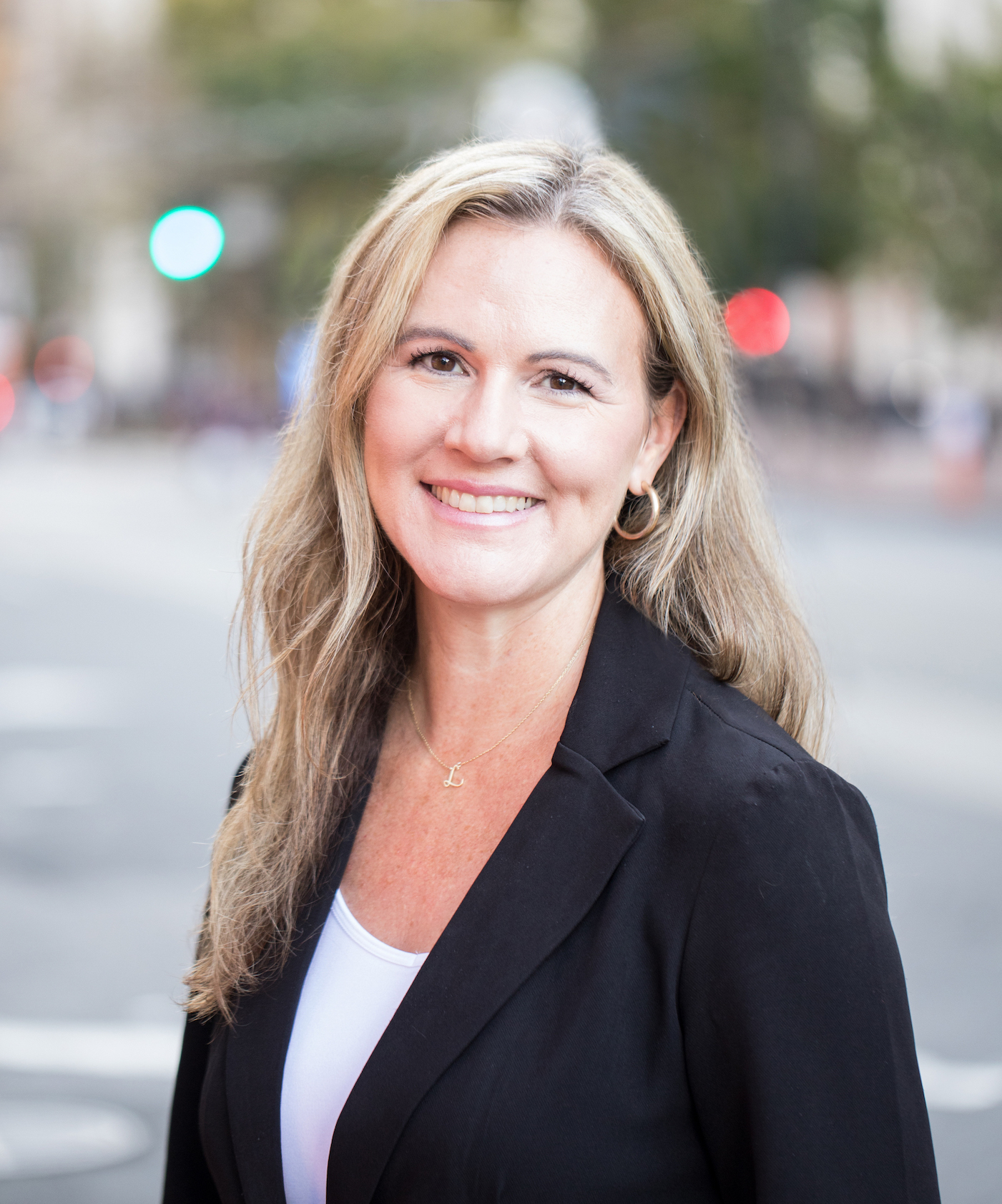
Lori Adams-Brown, Host & Executive Producer
A World of Difference Podcast
0:00 Welcome to the a World of Difference podcast. I'm Lori Adams Brown and this is a podcast for those who are different and want to make a difference. This podcast is sponsored by Betterhelp. If you are a person who really wants to understand what your strengths are, maybe you're not going through anything huge in your life. Therapy is not just for those who are in crisis, although it's definitely for that. But therapy is also a place where you're just stepping into your own skin, figuring out who you are, what it is you're offering to the world around us, and how you're making the world a better place. Betterhelp is here to help you with that.
0:40 And I have really benefited by deep work, understanding myself a little bit better. And I know many people have benefited from this resource, and that's why I'm proud to say they are a sponsor of this podcast. So if you are a person who could benefit from talking with a professional about anything going on in your life, I encourage you to stop by at betterhelp. And the link I'm offering you today will give you 10% off your first month. And so hopefully that'll make a difference in your purse and pocket and wallet and bank account. So go to www.betterhelp.com differencetoday to get 10% off your first month of therapy. That is www.betterhelp.com difference to get 10% off your first month. Today, today I'm honored to welcome to the show abuse survivor and advocate Rowena Chu. Rowena worked for Harvey Weinstein and as a survivor of sexual assault at the hands of Harvey Weinstein when she was an assistant working for him. And she's also a hashtag too, activist, advocate, speaker, wonderful human being and writer. She wrote an op ed that many of you may have read in the New York Times describing her experience after having to be what she calls like the 20 years of silence, has been able to tell her story and wrote an op ed in the New York Times called Harvey Weinstein told me he liked chinese girls
2:10 back in October of 2019. Rowena once again is a former assistant to Miramax CEO Harvey Weinstein and it was 1998 where she was sexually assaulted and had an NDA that she was required to sign. And so for 21 years she was silent. She spoke about her experience. Finally, when things started to come out in the hashtag metoo movement, and you may have also seen her featured in the show, the movie, she said, rowena is an incredible human being. She's a wonderful now friend and I am so honored to have her on the show today, but that does come with a trigger warning. So if you have experienced sexual assault or abuse of any kind in a workplace environment or in any scenario, I just want to urge you to take care of yourself today. So listener discretion is advised.
3:00 But on that note, for those of you who are going to stick with us or take this in chunks, however the case may be, I am so honored to bring Rowena on the show today because she's not only able to speak about her own experience now after all these years, but she is definitely an advocate for abuse, both in workplace environments, working with laws to help get those passed here in the United States. And she also speaks around the world about her experience for the hashtag too movement. And she is increasingly speaking in faith communities because she grew up as a Christian and churches and also realizes that abuse and church environments, and workplace environments in the church as well, are spaces where her voice really can make a difference. And so excited to bring her voice to you today if you've not had a chance to hear her before. But welcome to the show, my friend, Rowena Chu. Hello, Rowena. And a very warm welcome today to the World of Difference podcast. It's great to see you again. I'm excited to be here. It was so great to finally meet in person after connecting on social media and have brunch not long ago.
4:13 We both live here in California. So glad we could make that know we had this very instant connection because we're know very passionate about some of the topics we're going to discuss today. But also, when I think about that know when we first met until now, I think about how when two people come together for the work of justice and speaking things out loud that are often not spoken out loud, it can be a very beautiful and horrible thing to hold at the same time. So I really appreciate you showing up today for this very difficult but hopefully really beautiful conversation. Of course. So my first question for you, right out the gate, I know you get a lot of interviews, you've written quite a bit about your experience.
5:00 But because this is the world of difference podcast and we have once again, people around the world this week celebrating Lunar New Year, which is very exciting. You're the dragon. Yay. But also we're celebrating for some people, they celebrate Valentine's Day. There's a lot of just holiday celebrations happening. I just know that you have a lot of beautiful background that has a lot of diversity in it. And so would you give us a little bit about what formed you, the cultures that formed you, the places that formed you, sort of in a nutshell. So we kind of understand where you're coming from. Yes, absolutely. So both my parents were born in China, but they went to Hong Kong for their primary and secondary education. And actually, my grandparents and great grandparents were early christians in China. So my parents'families were religious refugees from mainland China and they ended up in Hong Kong for primary and secondary education. But then both my parents came to the UK for tertiary education and met and married there. And my sister and I were born there. So I identify as british born Chinese. And I think that's really complicated in a world where Asian can mean many different things. There's many different understandings of what it means to be asian. There's the idea of being second generation or first and a half generation, so you hear many different iterations. But I would call myself british born Chinese because I was born in the UK. I grew up in the UK. I think of myself as very british on the inside, I suppose, yellow on the outside. So I'm what you call a banana.
6:26 But it's been very interesting for me because since I graduated university, I've lived all around the world. I've lived in Asia, in several countries in Asia. I've lived in several countries in Africa. I've lived and worked across Europe, obviously, and I'm now in my 17th year, which is staggering of being in the US. So I feel that I know all four of these continents pretty well, and I've had many different cultural experiences in each of them. And I think that's interesting because the metoo story is, at the end of the day, a global story that touches women everywhere from many different cultures. And so I've been privileged to go and speak into each one of these cultures that formed part of my identity. And for me, it feels very much like a giving back when I'm able to go to a culture or visit a city where I previously lived and discuss the metoo movement. It is really a reimmersion for me in the culture that I once belonged to and also a kind of speaking into that culture by way of a gift. That's so beautiful, and you really are making such a huge difference. I think speaking some of these hard things out loud really is a way to give language to people for what's hard to talk about. And I know with all the mix of your cultures, the chinese culture in particular, that's so formational with you, even though you were british born and raised, can be especially hard to talk about. And with the intersection of the chinese community and Christianity, it often can be especially difficult to address some of these things.
7:56 So I know I'm imagining people sitting at these roundtables for Lunar New Year having delicious food with their families, and maybe somebody at that table has experienced something really hard, and they don't know how to talk about it. How is that part of your know, significant for you? Yeah, I think that's true, because, of course, Lunar New Year is in Asia, much like Christmas might be in the west. It's a really big festival of the year where people get a whole week off work, and people often travel long distances to go and reunite with their families. And so I think you raise a really good point in that sexual assault survivors who have been triggered by their experiences or might be holding a secret that they haven't told their families, it is a particularly hard time of the year in the way that Christmas might be in the west, because there is a lot of social pressure to be united, to form a family front, to make your family proud. And I think a lot of chinese culture is, at the end of the day, a communal culture, in the sense that it's a collectivist culture, I should say, in the sense that it is very much imbued on you when you are young, that you are part of a larger family group, not just your own biological family, actually, but even your whole race, as in the idea of calling anyone from a chinese background an auntie or an uncle, an older person an auntie or an uncle, or calling younger children little brother and little sister, that idea that we all belong to one another and we're all interconnected and interrelated. And so that brings me on to the point that when a sexual assault takes place, it is not just damaging for the
9:27 survivor, but is damaging for their entire community, their immediate family, for sure, their wider family. It may create a rift in the sense that they're not willing to speak about it. They might change a lot in terms of the person that they are. They might become depressed. They might not be able to function in the way that they used to. They may become withdrawn from relationships. So I think it is really important to see sexual assault survival not just in the context of supporting survivors themselves as individuals to whom. Who have been through a traumatic and heinous experience, but to think about that in the situation of the culture and the community and the family, the wider family in which they sit, whether that's a church family, a biological family, or. There are many different ways of interpreting the word family, but I always prefer to use the broadest possible interpretation. Yeah, no, it's really helpful. I know that a lot of people listening to this are already just feeling understood and seen and heard just by you.
10:24 Sharing that. It can be very lonely for abuse survivors of any kind and sexual assault survivors in particular. And I know when the hashtag me too movement was sort of gaining momentum. You, unfortunately, are someone who. You have an experience, a devastating experience that you have survived and you are surviving. But making the decision to speak that out loud publicly is a whole other ballgame for people. So it's one thing to share with your family around the dinner table, Lunar New Year's celebration or privately with your mom, maybe. But to come out very publicly the way that you did is a very courageous and inspiring act. And I know that you've made such a difference in so many people's lives. But I'd love for you to share a little bit about your decision, the journey leading up to that decision of speaking out against Harvey Weinstein. Yes. Yes. And forgive me in advance because this answer may be a bit long. But I wanted to speak to those of you that weren't necessarily as familiar with my story. So I wanted to offer some by way of background. I wanted to say the bare facts were that I was 24 years old at the time when I went to work for Harvey Weinstein and Miramax films.
11:35 And within a few weeks, actually, of my employment there, I had traveled with Harvey Weinstein to the Venice Film Festival along with another young british assistant. I was 24 at the time. She was 25 at the time. I was assaulted in a hotel room by Harvey Weinstein where we were working as part of the Venice Film festival. I reported the assault immediately to my superior, who was this young woman who's only a year older than me. Her name's Zelda Perkins. She reacted immediately. She both confronted Harvey and made sure that I wasn't in a room with him again. And actually, when we went back to London, we took matters further in the sense that we invoked constructive dismissal. We resigned from our jobs. We attempted to report Harvey first internally to HR within Miramax and then externally to the police. We lawyered up and we were forced into signing a nondisclosure agreement which then silenced the two of us for a period of 20 years. And in those 20 years, we were not permitted to talk to our friends, our family, doctors, lawyers, church ministers, therapists. There's a very long list of professionals that we could not speak to and nor could we speak to anyone within our own private lives. So I refer to that period of time as 20 years of silence. For those who are familiar with my story, you'll know that in 2017, the New York Times came to my doorstep and actually broke my story to my husband in a non consensual way. I had not agreed to speak to my husband about it, or in fact, I was legally obligated, I would say, not
13:06 to speak to my husband about it. So that was quite a story. I actually was willing for my story to be passed with the investigation, but I didn't want my name to be in public. And I think there are complicated and myriad reasons why that was true. At that time, my parents didn't know of my story. My sister didn't know of my story. A lot of my close friends from university and my early work days who were around in the 1990s when I worked for Harvey Weinstein, didn't know of the story. And I felt they might be hurt. I think they would feel that I didn't trust them at the time, and I didn't tell them what happened. And so I think it's an undoing and an unraveling of a real network of relationships in your life. And when you drop a truth bomb like this, you don't know how far that unraveling is going to go. So when I say that the reasons for not speaking out can frequently be complicated in myriad, there's sort of no end to that unraveling.
14:02 What I know is that a story like this, it's like a genie coming out of a bottle. Once you uncork the bottle, you can't really get the genie back in. And so that is a lot of what made me think for two years before I really went public. And I think you're right to draw a distinction between the private trauma of telling your close network of friends and family and the public trauma of talking about something extremely triggering on a very wide platform. For example, the first time that I spoke about this story, it was in front of 4 million viewers live on breakfast television at the NBC Today show. And that is a form of trauma also, to take something that's so private and so difficult and to speak about it in a public platform. But it is a very different trauma from having to tell your parents, who experience perhaps their disbelief, perhaps their hurt, perhaps their anger, I don't think you quite know what reaction is going to come out. But I think that when you are speaking to people that you care about and you want them to be well and to have a good relationship with you, I think it's a different kind of trauma from going public. I wouldn't say that one is worse than the other. I think they're both really difficult. But I know that with these types of podcasts, when we talk about this kind of subject, there are a lot of people listening who haven't talked to their parents, who haven't talked to their siblings, who haven't talked to their colleagues at work, who haven't talked to their church minister or anyone in their life that they trust. And I think, therefore, that the message that
15:32 it is difficult but it can be done and it can be overcome was something that was really important to me during the two years when I was thinking about speaking out and coming up with the resolution to do so. Yeah, everybody's story is so unique. And so even with all of the Harvey Weinstein survivor victim survivors. Right. Everybody has such a unique part of it, and your particular story is unique to you and how it came out and having the NDA and all of those things and having such a public figure with so much influence is also a whole other ballgame for people.
16:12 And so the impacts on our personal lives and our professional lives are significant. As you look back on it, on this end of history, looking back on the last few years and how it's all know, how has the coming forward and sharing your story really impacted you personally and professionally? Well, I often think back to my friend and neighbor, Dr. Christine Blasey Ford. I think there's not a woman in America that has not heard of Dr. Ford's story and her courage in going to Congress and speaking up against Brett Kavanaugh. But the reason why, in answer to your question, I think about her is she was alone in what she did. I think know, I hesitate to use the word privilege with Weinstein survivors because obviously no woman in the world should ever have to be a sexual assault survivor. And so I think it hurts me to use that word in response to them. But there was a benefit that we had that she didn't have, which is that a number of women came forward in this story. Now, that also speaks to another social problem, which is the question of why does it take almost 100 women to speak a certain truth against one man before they can be believed. This is the idea that women's stories are not centered and not believed and not credible in the way that men's stories are. If you look at the legal system and you look at public policy around sexual assault, clearly the burden falls upon the survivor victim to prove that there was intent, to prove that there was penetration to prove that there was an actual assault, whereas often the
17:42 perpetrator is innocent until proven guilty. So I think that is a problem both in all of it, in our culture, in our law, in our society, in our public policy around sexual assault. But I think that the fact that other women were able to speak out at the same time did give us a credibility and an encourage that it would have been really hard in situations where women are frequently the only one. I have drawn a lot of strength from my fellow survivors. Not only did we speak out together, and that's how the too movement evolved. It's a story of courage and joy in that many women united to speak together, not just the survivors, but obviously the journalists that broke our story. Jody Canto and Megan Tui were also women. Their editor was also a woman. The folks at Universal Studios that made the movie, she said it was directed by woman, written by woman, produced by woman. So many different aspects of the metoo movement. It's a story of women coming together, and that is a story of strength.
18:48 It is a story also of indictment against society that it takes this many women coming together for a story to be believed. Yes, this is a big soapbox of mine, too. It's not the same standards, right. For women. It's not the same standards for somebody who's in power and somebody who is a subordinate. The playing field is certainly not level. And so it's just something to be mindful of. The power dynamics, the social hierarchies involved in these situations, and then generally how we view sexual assault as well, and sexual harassment. Some of the stories we tell ourselves, which are always a part of what people are coming into with their filters. Right. I'd love to ask you this.
19:34 What are some ways you feel the hashtag me too movement has changed the conversation around sexual harassment and assault in the workplace. Well, I wrote a long time ago when I first went public with my story, I wrote about the idea that there were four power dynamics. And I think one of the things that me, too, has done from those early days is sort of lift the lid on the idea that there are these power dynamics. At that time, I had written about being asian, going up against somebody who's white, being a woman, and going up against someone who's a man, being a person of no consequence. I was a mere assistant in a company where I was going up against a CEO, but not just a CEO of any company. A CEO who is world famous and has a lot of power and is friends with presidents and newspaper editors and many men of influence in various spheres. And then the last dynamic that I talked about is really going up against an opponent who has unlimited amounts of money and, in fact, had to pay off our lawyers because we were not able to pay them ourselves. So I think, although the money dynamic is not something, it frequently ties into the power dynamic in the sense of status, and I think it is something that we need to explicitly call out as well. So, to go back to your question, I think the metoo movement did, right from the beginning, lift the lid on this idea of power dynamics that we all knew about, but I think wasn't really teased out and explicitly spoken about in the common parlance, in societal structure in the way that it is now. So it has given us an opening to talk about these inequalities,
21:04 to talk about this oppression, to have it accepted rather than denied. However, you knew there was a however in there, right? That's only the first step. I acknowledge the work that the movement has done to kind of lift the lid and bring these conversations into public discourse, and I think it's done a tremendous thing. However, I think the opportunity that we now have, now that these conversations are acknowledged, that this inequality is there, that we know about it, that we talk about it, I think this is where the hard work starts. Are we really going to be able to change law and policy and workplace practices in a way that benefits the oppressed, that creates a more level playing field, that brings true equity into the system? I honestly don't know the answer to that. I do a lot of work around activism and advocacy. I go into law courts, I go into state houses, and so on and so forth. But far from thinking that the meToo movement was a thing that started in 2017, a social movement, and now it's over because Harvey's in jail and we've done the work, I think the meToo movement really was the beginning. It gives us an opportunity to do the real work, but it really was only the opening of the door. We still have to step through the door into the room and do that really hard work as a society of looking at our systems, understanding systematic oppression, whether that's race, misogyny on a gender spectrum, or some other form of oppression, wealth, that's another one as well. And look at how are we going to dismantle these systems of oppression so
22:36 that we can have a more equal world for those of us of color, for those of us who are women, for those of us who do not have access to finance or a platform or language or legal right of abode or any number of forms of oppression. So true. So good. I really just learned so much from your perspective when I hear you talk about it, because it brings up all kinds of things. It brings up thoughts around. For those who've watched the Jeffrey Epstein, for example, a lot of these men will find ways to create a system. In his case, it was this pyramid scheme, which was so bizarre to think of. That's more of a business principle. But he built that in his web of abuse and a sexual assault of young girls who were from across the bridge, a community where they didn't have the same resources. And so he's this very wealthy man who lives in a mansion, knows presidents, knows people with a lot of power. And so just that element of the wealth, the money, the influence, as opposed to a little girl who is from this particular high school, that is not one of the better ones. And so when you think about all of those dynamics, they are significant. And I hope that what you're doing, the work that so many are doing, is to help really highlight those, because I think they're really key parts of it, that if we miss those, we've missed something really huge, because one woman's voice
24:07 should matter, one little girl's voice should matter, even if it's up against a man who knows presidents and has a lot of influence. So I guess my question for you now is we see a lot of the narratives centering the abuser. So there's the documentary about Jeffrey Epstein. Right? And then know people know about Harvey Weinstein. And it's like we put even all the victim survivors sometimes in this monolith. Right. But how can we be more survivor centered as we approach this? Yeah, I think it's a really critical question, and I want to start by addressing the points you made about media representation. You are absolutely right that the documentaries are always surviving Harvey Weinstein or surviving R.
24:48 Kelly or the Harvey Weinstein scandal. Actually, the law case, the media case, it's actually named after the perpetrator. And you rarely have heard of Romina Chu or Zelda Perkins or how many Epstein survivors can you actually rattle off by name? How many R. Kelly survivors can you rattle off by name? It is true that the media platforms the perpetrator, and actually, when you look at that and you begin to pick it apart, it is actually kind of shocking. I think it springs from the idea that often the perpetrator is a person in power. He's a person he, because it's usually a he, but he's a person who controls the narrative that's always driven the narrative, that gets to tell the lawyers and the police his side of the story, gets to tell the media his side of the story. And I think it goes a long way to explaining why. A, it's very difficult for sexual assault survivors to speak their story at all, either publicly or privately. B, even if they have the courage to speak their story, are they going to be believed? Usually that doesn't happen. And even if you have surmounted barriers a and b, c, are you going to be able to get any kind of legal respite, public policy respite, financial respite?
25:55 Highly unlikely. So when you think about the number of barriers in front of a survivor, in terms of what is there really to gain other than a situation of ridicule, you're more likely to be blacklisted from your career. You're more likely to be retaliated against. You're going to be derided as a whistleblower, as a person of loose morals who's after money. There are all kinds of ways in which society continues to oppress and suppress the survivor's story that go beyond actually the crimes committed by the perpetrator. So we're all in some way complicit. There's a system in society that suppresses a survivor's voice that is not survivor centric, that is not trauma informed. So having made those remarks about media and the sort of evils of how media centers a story, let me actually address your question, which was, how can we make society and media more survivor centric? I think that the meToo movement has made tentative steps in that direction with she said the book and she said the movie. It is true that our stories at least featured. It is true that I'm right here doing this podcast. It is true that I got to write an op ed in the New York Times. So I cannot say that the meeting didn't move in the right direction in terms of being survivor centric and hearing survivor stories. However, I think it is still staggering that it is much easier to get a movie greenlit if it has the name of the perpetrator attached to it
27:26 rather than the name of the survivor. To be honest, this is very much a personal struggle for me as I've been working for four years to publish a memoir about my own experiences. I had written a screenplay about my experiences of working for Harvey and on Shakespeare and love, and it's really difficult to get that green lit. So I think for me, speaking from a very personal point of view, not only do I find my perpetrator very centered, but I actually also find the journalists who broke our story very centered above survivors. So it often feels to me as though the survivor voice and the survivor story is sort of last in a long line of people who might get platform or visibility or in any way get to further their careers as a result of the meToo movement. I think the reasons for this are actually very complicated.
28:14 For instance, when I think about the fact that she said centered the journalist story, both book and the movie were from the journalist's point of view, not from the survivor's point of view. I actually have a whole theory around this. I think it is much easier for the average woman to want to think of themselves as a Jodie cantor and a Megan tui. I mean, who wouldn't? They're wonderful women. They're incredibly bright. I have really enjoyed working with them. They are heroes of our generation. They've won a Pulitzer prize. They are publicly fetted for what they did. Their book was a roaring success. The movie was a roaring success. So I think that women who are in the audience watching, they want to identify with Jodie and Meghan. But I think it gets really complicated when you ask them, do you want to identify with Laura Madden, Rowena Chu and Zelda Perkins, the three victims that were depicted? And she said, I think there is rarely a woman, and interestingly, even a woman who themselves have experienced sexual assaults, who is willing to come out publicly and say, yes, I'm a sexual assault survivor, I want to stand with the Weinstein survivors. Again, I think a lot of that is due to society and society's treatment of sexual assault survivors, but also their depiction of them, the way that sexual assault survivors are depicted in the media, in the press, in stories, the way that they are spoken of, the way that they are frequently diminished, negated, disbelieved, and even a movie like she said, which is in itself survivor centric, or at least it calls itself survivor centric, actually. Look at the characters.
29:42 The survivors featured in, she said, are highly two dimensional. There's no background to them. We don't understand their background. We don't understand their story. We don't understand their motivations. We don't get to see them with husbands and kids and babies and dogs in the park. But the journalists are very much centered. So this is not a criticism of, she said, the movie. It is to say, I think she said, part way, open the door in the sense that it features survivors voices. And we're not shadowy, anonymous, unnamed people. But I think there's still a long way for media, creativity and society to go before it really sees sexual assault survivors as three dimensional people. And I think the reason for that is we bring discomfort. It is really hard to have these conversations. It is really hard for me to be invited to corporate workplaces, to churches, to school, and for me to stand up and tell my story. I am a figure of discomfort. I bring truths that people don't really want to listen to. I think that that isn't really hard.
30:43 And I think the work of that is about generational change. I don't think that I will see the change I want to see in my lifetime, but I make these changes so that my children, I'm tempted to say daughters and granddaughters, but let's not make this about gender. That my children and my grandchildren will have a better world, one that is more trauma informed, one that is more survivor centric, one that is frankly more emotionally aware of these sorts of stories and a world where survivors no longer have to hide. I want that world, and I'm so glad that you're fighting so hard for it. And I see your efforts. And I know it's got to be exhausting at times to have to keep sort of pushing up against a system that doesn't want to change. Because I think the system, it just naturally was made to center the abusers. And I see this. We both share a faith. When I see, for example, pastors who pray upon their congregations, and because we often see these patterns, we see people who tend toward these predatory nature will often find a job that makes them look like a good person. So a do gooder. Either they're producing movies that people love, or they're a pastor and they've got these good sermons that sound so great, or they're a teacher or a karate instructor
32:14 or something that looks like they're giving people good things and it does make it hard to question them because of their power. And when you add the spiritual element to it, it has a whole other situation that happens. And so recently I've been tweeting quite a bit about this whole, what I call Preda pastor predators who are pastors. And it is resonating with a lot of people because unfortunately, there are systems like, for example, in a church where you don't say these things out loud. But I know that for the industry you were in, if you want to keep going in your career, you don't speak out against this man. He's so powerful, it's damaging for one's career. So if there's someone listening right now who's sort of toying with that whole notion of, do I say anything because I could lose my career?
33:01 Do I say anything because I could lose my church? I'd love for you to talk to that person right now and maybe give them your perspective. Yeah, well, I think what you're alluding to is this idea of the pillar of society. I think there's a very common idea where, as you quite rightly said, a predator is often in a position of not just sort of monetary power or status in terms of a career, but also in terms of social power, social currency. So they might be a sports coach, or they might be a teacher, or they might be a religious leader. They are in some way embedded in society such that society cannot believe terrible things about them, as in, it's literally impossible for society to believe terrible things about this good person. So, for example, when the Russell brand story broke in the UK, and Elon Musk's defense of him is, oh, no, but I've hung out with him, I've had drinks with him, and he's a good guy. So this idea that this pillar, it's inconceivable that this person, like, I know this person.
34:00 I've seen them coach basketball. I've seen them preach in the pulpit. I know them to be a good person. And so that's really difficult because it creates, as you say, this protective shield of credibility and belief that the victim survivor, who is not known in this way and does not have this social currency, frequently, isn't ever going to perpetrate. So I would say it's incredibly complicated, what I would say to those who are listening, who are trying to go up against someone who's a pillar of society. Again, I return to the point that I think the metoo movement has created the opportunity. But unfortunately, and I say this with the greatest of compassion and empathy, unfortunately, the work still needs to be done by the victim and the survivor frequently, which is awful, actually. I hate to say this. I hesitate to say it.
34:49 You can hear the hesitation in my voice. I'm grieved to be in a world where women still bear that burden, where the oppressed still has to rise up and speak out against the oppressor, that there isn't systematic system that's better about supporting survivors before we even know who they are, and to give them a platform to speak and protection against that, and a world where they don't have to do the hard work. But unfortunately, I think it's still the case that we as women, we as survivors still have to do that work. However, I would say postmeto, I encourage you to do that. I think we're finally in an environment where you can be believed. I think if you are able to find other voices and other women, no predator has existed in isolation. I'm sorry to say this, too agrees me to say this, but likely your assault will not be in isolation. It is more than likely that any predator has a pattern of a predatory pattern, as in they have more than one survivor out there and also that the story is very similar. So if you have been assaulted by your sports coach, go talk to anyone he's ever coached, because chances are you will find other women willing to speak. And I wish it wasn't like this. I wish one woman could come forward and be believed. I wish a woman's voice was equal to a man's voice. In terms of that, there was a balance in terms of credibility. But knowing what we do about society and all that we've talked about credibility and
36:19 the way that society works, my advice is to go and find allies who share your story if you possibly can. On the other hand, if you are Dr. Christine Blasey Ford and you are completely by yourself, know that when you do speak out, there will be people listening and watching who aren't in a place in their lives to go there yet, but that you have been an inspiration for hundreds, thousands, possibly tens of thousands of women that you'll never meet and never speak to, but you will have changed their lives. So if you are in that horrific position where you have to be the only person who speaks out, but you are in a position to be able to do that, know that you are helping other people, no matter what kind of blowback you get and the disbelief and all the rest of that stuff, the majority of people you help will be silent and you will never meet them. But you know that they are out there. Absolutely. I just know where I was when I watched what was going on with Christy and Blaisey Ford. I was in Singapore, and I remember just how I felt and how I resonated. I'm not a sexual assault survivor, but there was something about being a woman and her speaking that way that just made such a difference. And I've met women since then who have had experience what she experienced and that she'll never know the difference she made in people's lives by speaking out. I mean, the results didn't go the way we wanted because her abuser is now at the highest
37:52 levels of our justice in our nation. But at the same time, what she did will never be able to be calculated because I know that it did resonate with a lot of people. So every voice really does matter in ways we'll never know. My last question for you before we close, and then I'll also have you on our patreon for our difference makers for another deeper question there, but what do you think people don't understand about survivors that you would love for them to understand? Wow, that's a really good one. Or maybe something people often miss or that you have to kind of correct or whatever. Yeah, I just think that there are so many myths about survivorship that still persist even among people who are very supportive of the meeting movement and see themselves as allies. So you sort of get the regular, and they're not necessarily critical, but people will say, oh, well, thank goodness now you're being financially compensated for coming up with your story, or thank goodness that you now have the platform because having that visibility and that fame must be comforting. I know that people are saying these things because they're intended to be consoling, but in some ways they're deeply insulting. And I never quite know how to react because I know that people mean to be supportive and they want to sort of find the bright side.
39:18 Or as was said to me actually earlier in an interview today, they'll say things like, well, thank goodness you left the film industry, because look how you've succeeded in other industries. Or they'll say, well, even though your relationship at the time was destroyed and you've never trusted anyone again, but now you have a beautiful husband and children. And my husband and children are indeed beautiful and amazing and truly extraordinary. That's not to say that they're not, but I feel that the idea, the myth that one can use survivor success either in career or family or in other areas of their life as a way of saying, well, thank goodness or take consolation from. I think that's actually really tricky ground that's not only just thin ice, that's ice that doesn't even exist. And so that is something I feel your original question was, what do people not understand about survivors? And I think what I want to say is sit with survivors, understand their grief, acknowledge their grief. Don't be rushing to find the thing that, oh, thank goodness that. Thank goodness that God was merciful and gave you this, because that is a negation and a minimization and a diminishing of incredible grief and trauma. The analogy that I use, and I apologize in advance if this analogy is triggering to anyone. But I have several friends who have literally lived through this horrendous nightmare. But I always think of the analogy of child bereavement.
40:50 If you end up in a situation where you are a parent and you have a young child and that child passes, you might go on to have other children. But I hope that no one in their right mind would ever say to you, oh, thank goodness for your new baby, who has entirely replaced the baby that passed, the baby that had cancer, or the baby that was still born. We don't say that to bereaved mothers. And so I think for survivors, we should not be saying, but that's okay because you moved to another career, and you were super successful in that career, but that's okay because you're married today and you have beautiful children. I am married today. I love my husband. My children are amazing. That does not mean what happened to me was right. It doesn't mean what happened to me didn't cause untold grief and trauma that I still sit with today. And that's not an indictment against my husband. They're not compensation for grief and trauma. One doesn't overcome tremendous grief and trauma simply because one got married or is successful in a career or any other form of sort of social success. So, well said. And I just really appreciate your perspective on that because it helps us understand. In a deeper way. I think that so many people want just to wrap this up in a bow because it makes them feel uncomfortable. They want a happy ending.
42:15 We all want wrongs to be made right. But there is a suffering in this space that it's just an ongoing thing. There is a survival, but there's still a suffering. I'm so sad with you of what you've walked through. Of course I believe you. I've told you this already. Every word you've ever said about this story, I believe it because it's your experience, and I'm so angry on your behalf that you went through that, that any woman has ever gone through that. And as you speak up and share your story, sitting with you in it and the terrible aspects of it, and also appreciating the beauty of who you are at the same time, I hope that's something that our listeners can also learn to hold for you and for others going forward. And I think that as you share all the nuance of what it means to be a victim survivor, that we'll get to a better space of being able to hold all of those things together as we support you and all other survivors as well. So I lastly just want to give you a chance to share where people can find you as we go forward. And if people want to read more about your writing or your speaking, how can they find you? Thank you for that suggestion and I will get on to where people can find me. But I just wanted to make one more point following on from what you said about the neat bow. For those who are seeking a neat bow, I feel like I've sort of left it as please don't say this and please don't say that. But for those who are seeking a neat bow, what I want to say is, if you want to be an ally of the MeToo movement, it doesn't
43:46 matter what gender you are. It doesn't matter how much power you hold or don't hold. Anyone can be an ally of the metoo movement. But what I want to say is, if you are seeking the neat bow, here's a neat bow. Sit with a survivor. Hear their story, acknowledge their grief. Let them own that space. Give them the space to talk about it and say, yes, it's absolutely say all the things that Laurie was gracious enough and kind enough to say just now. I believe you. I'm here for you. I will listen for as long as it takes for you to come out with your story. I will be that safe space for you. If you're looking for a bow, the bow is found there not in rushing in and talking about consolitary things that they have in their lives, but instead seeing that survivor for who they are and where they are. Hearing that survivor story for the story in itself, not in the context of anything else that happened in it, but just that story is enough in itself. It's hard to listen to.
44:43 It's a price to be paid, but it's far less than the price of survivor themselves paid to go through it. So in order to honor their stories, I think that that is the one thing that we can do for every everybody can do this. It costs nothing to sit, to listen and to acknowledge. You can find me on Facebook, Twitter, Instagram. I am across most social media platforms, Snapchat, TikTok. I am working on a book and I hope to come out with that book. I do lots of speaking in churches, schools, universities, workplaces. I will be going up to Portland shortly in March to speak to a consortium of covenant churches. I'm working with several clients in Silicon Valley and speaking, you know, although I do feel it's true that we have a long road ahead of us in terms of survival awareness, survivor centric society. I think the fact that I am able to have these platforms and to share my story and to open up a dialogue, really, about people and their understanding of sexual assault and survivorship, I'm grateful for all of that. So grateful for you. Thank you so much for being so vulnerable and for speaking out for this ruina. We look forward to your book and. Just thank you for being who you are. Thank you. That conversation may have brought up some things for you as you heard her tell her story. So much about what happens in abuse stories is that those narratives often don't come out for years, especially when
46:13 it comes to sexual assault. If it happened as a child or even in someone's early 20s, often we don't see them speaking out until early fifty s. And so if this is something that has come up for you or you've not really shared it with anyone before, and as you heard Rowena talking about her 20 years of silence and finally speaking out, and that is something that you're wishing to do, I just want to send you so much love and support right now. It is really hard to share your story with even someone who you can trust. So do choose wisely as you share it. And for those of you who are sharing it already and are trying to find a space in a community of support, I hope you know that Rowena is one of those people that is building that kind of support around her just by sharing her story herself. That is what's connected me to her. And she's just a wonderful human being. So grateful for her voice in this space that she can share her story out loud, as painful as it is, but that she's finding hope and freedom and healing, which is a really long, long journey and has multiple layers for years. So if you find yourself in that space, I just want you to know that many of us here understand, many of us have walked through similar things, whether it's abuse of various kinds or just traumatic situations. And it can make a difference to be able to share that with somebody that you trust. So if you reach out and want to share with someone or just need
47:45 support, feel free to dm me on Twitter just to let me know. Not necessarily your story, but this podcast resonated with you. Or if you feel free to share your name on a Twitter thread somewhere or something more public on social media, just to say, I resonated with this episode. That's great, too. Or if you just don't want to say anything at all and just keep that to yourself. Absolutely. Your choice. But whatever this podcast has done for you today, I hope that if anything, it's shown you that you're not alone, you're not crazy. And that if something like this happened to you, you didn't deserve that. You deserved care and safety. And I hope that going forward, you can find healing and walk your way through this journey like so many have in the survivor community, which is to me, a very sacred space. So glad that Rowena could share her story today. So glad that she is finding beauty in those ashes and that she encouraged us to step into the lives of survivors by sitting with them. And she talked about wrapping up in a bow at the end by just hearing them saying, I believe you, I support you. I'll sit with you as long as it takes for you to tell your story as many times as you need to. And it often takes many times to unpack those onion layers. So if you're somebody who's sitting with a survivor today, I'm also sending you love because it really costs to listen to, and it's really hard to listen and sit there and feel that pain with our friends, with our loved ones. So for all of you out there making a difference in this way, keep doing it, but also take breaks, take care of yourself, and thank you for just listening to
49:16 Rowena's story and the way she's advocating. Feel free to join in with the work that she's doing by listening to her going and showing up where she speaks and supporting her wherever she speaks around the world. I know many of you listen in Singapore, over in different countries in Asia. She's occasionally speaks there. I know she's in the UK sometimes and also all across the US. But as she continues to do her work, please support her. She's just one of those people out there really making a difference. And if you're in our Patreon community called difference makers, you'll get to hear me go a little bit deeper with her into our question around what kind of organizations does she really get behind and support. And you'll get to hear her kind of unpack those. She has a lot of organizations that she really believes in, but she kind of unpacks three key ones there for us so we can have calls to action together as difference makers.
50:04 So please go to patreon.com, a world of difference to be able to watch the video of that episode, that exclusive episode where I ask her to unpack some of that for us to have a call to action together as a result of this. And if you are really just in need of support and help once again. Or just prayers. Feel free to reach out to me. I'm on Twitter still x at loriadbr. You can find me on Instagram. Lori Adams Brown feel free to just message me there and love to send you some love and support your way. Anyway, thank you all of you around the world who are listening to this for just bearing witness to what happened to Rowena, which was absolutely horrible and it causes us to pause and lament and just feel angry on her behalf that she endured that and just sad with all that she's had to experience as a result. And in the meantime, as we hold those feelings and also look for the beauty that we hold at the same time, I hope that you are finding love and support around you for whatever you're walking through. That's hard today. Keep making a difference
