

 Apple Podcasts

 Spotify

 Castro

 RSS Feed

 Audible

 YouTube

 Podchaser

 Goodpods

 Castbox
Weaving Together Beauty From Brokenness: An Artist's Journey Of Trauma Recovery with Erin Hung
If you're feeling the weight of past trauma and struggling to find healing, then you are not alone! Many individuals have tried traditional methods of healing without finding the relief they seek. Instead of finding validation and empowerment through conventional means, there's a unique path to healing waiting to be discovered through creativity and art.
My special guest is Erin Hung
Erin Hung, an artist residing in Hong Kong, brings two decades of experience in the art and design space, collaborating with prominent global brands such as Chronicle Books, American Greetings, Liberty of London, and Selfridges. Her creative journey, spanning from illustration work to murals and community art, is intertwined with her deep commitment to advocacy. A graduate from Central St. Martins School of Art and Sotheby's Institute in London, Erin's practice now revolves around amplifying voices at the fringes, working closely with mental health organizations and NGOs like UNHCR. Her profound insight into the healing power of creativity, stemming from her own experiences with religious trauma, has led her to spearhead the social media movement "A to Z of trauma recovery," inviting survivors and marginalized communities to heal creatively together. With her compelling art and thoughtful advocacy, Erin is a beacon of inspiration and empowerment.
In this episode, you will be able to:
- Discover the transformative power of healing through creativity and art for personal growth and emotional well-being.
- Uncover the impact of spiritual abuse on faith and explore ways to navigate and heal from this trauma.
- Embrace the role of therapy as a catalyst for personal growth and self-discovery, unlocking your full potential.
- Navigate the intricate layers of cultural and religious identity, finding empowerment and validation through self-exploration.
- Experience the profound benefits of somatic practices for trauma recovery, fostering a deeper connection between mind and body.
Impact of Spiritual Abuse
Erin Hung shares her candid experiences of spiritual abuse within her faith community, highlighting an issue that is oftentimes overlooked or swept under the rug. Such experiences can cause an individual to internalize pain and shame, profoundly impacting their perceptions of self and their relationship with their faith. As Erin rightly emphasizes, acknowledging and addressing the impacts of spiritual abuse is crucial in the journey towards healing.
The resources mentioned in this episode are:
- Follow Erin Hung on Instagram at @erinhung_studio to see her beautiful art and stay updated on her latest projects and movements.
- Contribute to the A to Z of trauma recovery movement by using the hashtag #AtoZofTraumaRecovery on social media to share your own creative expressions and join the community of healing and support.
- Explore the A to Z of trauma recovery hashtag on social media to view the diverse and impactful artwork and expressions shared by others in the community.
- Engage in right brain activities such as art, creativity, and expression to process and heal from trauma, allowing yourself to explore your own creative impulses and find healing through artistic endeavors.
- Reach out to Lori Adams-Brown to share your thoughts and experiences, and to connect with others who are navigating similar journeys of healing and recovery.
I think for people, when they say they are not creative or they're not artistically inclined, I want to try and be the person that brings that piece. That's like, maybe if I ignite this match, you might burn a fire. It might kindle a fire that could help you on your way. - Erin Hung
Transformative Power of Healing
Art has a powerful potential to heal, as guest Erin Hung explores in her personal journey of self-discovery and recovery. Channeling our creative impulses can serve as a means of processing personal experiences and finding solace, particularly when navigating trauma. As Erin notes, the exploration of art can foster empowerment, liberation, and ultimately, transformative healing.
If we don't answer to what the creative impulse or the thing that God put inside us and fully explore that, then it's very hard to imagine a way forward for ourselves and for the church. - Erin Hung
Role of Therapy as Catalyst
Therapy, particularly non-verbal modalities such as art and somatic body work, can act as a catalyst for trauma recovery. Erin Hung recounted how these therapeutic methods empowered her to process her personal traumas, finding a language for her experiences that words could not capture. As a creative outlet, therapy can enable an individual unparalleled self-expression, providing a pathway towards understanding, acceptance, and healing.
The key moments in this episode are:
00:00:02 - Introducing the Podcast and Guest Erin Hung
00:02:41 - Erin's Journey as an Artist and Advocate
00:10:29 - Cultural Influence on Faith and Interpretation of Scriptures
00:14:28 - Decolonizing Scriptures and Cultural Identity
00:16:17 - Disentangling Cultural Norms and Global Conversations
00:18:23 - Understanding Family Trauma and Shame Culture
00:19:23 - Overcoming Shame and Sharing Personal Trauma
00:20:32 - Decolonizing Faith and Silence
00:21:10 - Healing Through Creativity and Somatic Work
00:27:47 - Experiencing Spiritual Abuse and Gaslighting
00:35:11 - Realization of Making a Difference
00:36:39 - Healing Through Creativity
00:39:39 - The Power of Creativity
00:42:41 - A to Z of Trauma Recovery
00:49:42 - Embracing Beauty and Joy
Timestamped summary of this episode:
00:00:02 - Introducing the Podcast and Guest Erin Hung
Lori introduces the podcast and guest Erin Hung, an artist living in Hong Kong, known for her illustration work, murals, and community art. Erin's background in the evangelical faith and her journey through religious trauma is also mentioned.
00:02:41 - Erin's Journey as an Artist and Advocate
Erin shares her upbringing in an evangelical family in Hong Kong, her experiences with art and faith, and the cultural pressures she faced as a creative individual within her community. She also discusses the intersection of her faith with her artistic sensibilities.
00:10:29 - Cultural Influence on Faith and Interpretation of Scriptures
Erin delves into the impact of cultural undertones in Chinese churches, specifically the concept of Filio piety and its influence on interpretation of biblical teachings. She reflects on the need to challenge traditional interpretations and explore diverse perspectives within the faith community.
00:14:28 - Decolonizing Scriptures and Cultural Identity
Erin discusses the concept of decolonizing scriptures and its relevance to her own faith experience, particularly in the context of being Chinese and the impact of colonization on cultural identity. She highlights the growing global conversation around colonization and the need for broader understanding.
00:16:17 - Disentangling Cultural Norms and Global Conversations
Erin shares her journey of disentangling cultural norms and understanding the broader historical and global conversations surrounding colonization. She emphasizes the importance of gaining a broader worldview to challenge entrenched cultural dynamics and promote
00:18:23 - Understanding Family Trauma and Shame Culture
Erin discusses the intergenerational trauma within families and the shame culture that perpetuates silence about taboo topics, making others uncomfortable and bringing shame onto oneself and the family.
00:19:23 - Overcoming Shame and Sharing Personal Trauma
Erin shares her openness about discussing personal childhood trauma, acknowledging the potential shame it brings to friends and family, and the collective nature of shame within the community.
00:20:32 - Decolonizing Faith and Silence
Erin delves into the intertwining of faith, church abuse, submission, and shame, highlighting the tendency to silence uncomfortable truths, sweep issues under the rug, and the challenges of decolonizing these ingrained dynamics.
00:21:10 - Healing Through Creativity and Somatic Work
Erin shares her journey of healing through somatic activities like art and gardening, emphasizing how these activities helped her process trauma and connect with her spirituality in a new way.
00:27:47 - Experiencing Spiritual Abuse and Gaslighting
Erin reflects on her experiences of spiritual abuse, gaslighting, and the struggle to find her voice within church settings, ultimately leading to her pursuit of therapy to gain clarity and language for unhealthy dynamics.
00:35:11 - Realization of Making a Difference
Erin reflects on her realization that making a difference does not depend on credentials. She shares her journey of trying to make a difference and the examination of why it wasn't working.
00:36:39 - Healing Through Creativity
Erin discusses her artistic expression as a means of healing. She shares her fear of not leaving a mark in the world and the importance of exploring creativity for healing and personal growth.
00:39:39 - The Power of Creativity
Erin emphasizes the importance of creativity in finding solutions and moving forward. She encourages people to explore their creative impulses and imaginations, highlighting the need for outside-the-box thinking.
00:42:41 - A to Z of Trauma Recovery
Erin introduces the A to Z of trauma recovery movement she started, emphasizing the inclusivity and diversity in the community. She shares how creative expression is a powerful tool for healing and processing trauma.
00:49:42 - Embracing Beauty and Joy
The host reflects on the importance of adding beauty, joy, and hope in life to build resilience in facing hard times. Erin's story serves as a reminder of the power of artistic expression in navigating life's challenges.
- https://www.twitter.com/@awodpod
- https://www.aworldofdifferencepodcast.com
- https://www.youtube.com/@aworldofdifference
- https://www.facebook.com/A-World-of-Difference-613933132591673/
- https://www.linkedin.com/company/aworldofdifference/
Learn more about your ad choices. Visit megaphone.fm/adchoices
Follow the podcast at:
- https://www.youtube.com/@aworldofdifference
- https://www.aworldofdifferencepodcast.com
- https://www.linkedin.com/company/aworldofdifference/
- https://www.instagram.com/aworldof.difference/
Join our Difference Maker membership community for a ton of exclusive content for as little as $5/month. (The price of your a latte at your local coffee shop to enjoy a whole month of content.) Lori's Travel Tips are included as well as exclusive minisodes with our guests not available anywhere else. Join for deeper conversations and a little fun today at https://www.patreon.com/aworldofdifference
Keep making a difference wherever you are!
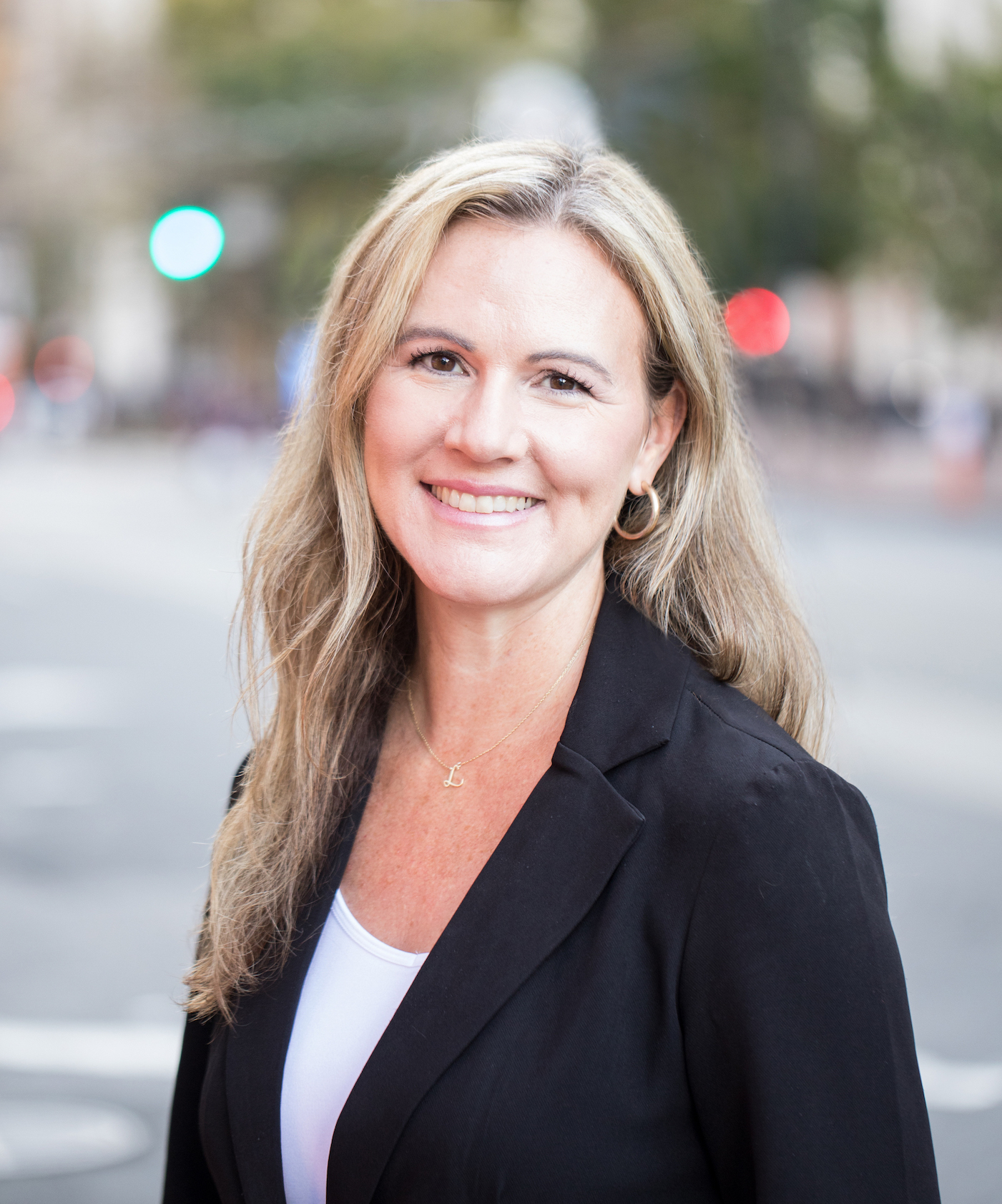
Lori Adams-Brown, Host & Executive Producer
A World of Difference Podcast
0:00 Welcome to the World of Difference podcast. I'm Lori Adams Brown and this is a podcast for those who are different and want to make a difference. This podcast is sponsored by Betterhelp. If you are a person who really wants to understand what your strengths are, maybe you're not going through anything huge in your life. Therapy is not just for those who are in crisis, although it's definitely for that. But therapy is also a place where you're just stepping into your own skin, figuring out who you are, what it is you're offering to the world around us, and how you're making the world a better place. Betterhelp is here to help you with that, and I have really benefited by deep work, understanding myself a little bit better, and I know many people have benefited from this resource, and that's why I'm proud to say they are a sponsor of this podcast. So if you are a person who could benefit from talking with a professional about anything going on in your life, I encourage you to stop by at Betterhelp and the link I'm offering you today will give you 10% off your first month and so hopefully that'll make a difference in your purse and pocket and wallet and bank account. So go to www.betterhelp.com difference today to get 10% off your first month of therapy. That is www.betterhelp.com difference to get 10% off your first month today I'm so excited to get to interview today a friend through social media that we have followed
1:30 each other for a while and done a lot of dming back and forth and we're finally making this podcast interview happen after just having to reschedule it a few times due know various things in our schedule, so I'm really excited to bring Erin on today. Erin Hung is an artist living in Hong Kong. Her practice spans illustration work, murals, community art and writing. She received her fine arts BA in Central St Men at BM Shaw School of Art and her MA in contemporary art and Sotheby's Institute, both in London. She has been in the art and design space for almost two decades, working with some of the biggest global brands in the UK and the US, such as Chronicle books, American Greetings, Liberty of London, and Selfridges. Having grown up in the evangelical faith, been deeply committed since turning 18 and going through two separate bouts of religiously traumatic events over the course of her adult life, she stepped back to evaluate some of the systemic patterns and cultures she was brought up in and ultimately discovering a beautifully spiritual connection between the innate creativity we are all born with and how we can enter its portal for healing and shift paradigms because we carry the imprint of creator. She started the social media movement A to Z of trauma recovery, which many of you listening were involved in calling on survivors and marginalized communities to process and heal creatively together. Erin's practice now centers around advocating for communities at the fringes and works with mental health organizations as well as NGOs such as
3:01 UNHCR to elevate unheard voices. Erin is a beautiful soul. Her art is absolutely gorgeous and compelling and causes us to have all the feels. And she's such a smart and caring and just thoughtful human being that I am so honored to have on the show today. So a very warm welcome all the way in Hong Kong to Erin Hung. Hi, Erin. Thanks for calling in today from Hong Kong. And I just wanted to say happy Lunar New Year. Happy year of the dragon to you and your family. Hi, Lori. It's good to be here. I'm so excited to chat with you and, yeah, happy New Year to you, too. Well, today we're going to talk about some, all kinds of things because there's parts of your story and who you are as a person.
3:53 We're going to weave in and out of those, but first, I just wanted to sort of connect with you around your own kind of backstory. Who are you as a person? And I know you live in Hong Kong now. Have you always lived there? What are the cultures and places that kind of formed you as a. Yeah, that's my identity, I feel is kind of been a mosaic of a lot of things. I was born and bred in Hong Kong in an evangelical family. So in my early childhood years, we were very firmly rooted in Hong Kong. I went to local school here. We would go to church and it would be chinese speaking. But really the background is because my parents, we are chinese, but my parents went to university in the UK. So then they kind of found the christian faith and they brought it back.
5:02 And Hong Kong is an ex colony anyway, so there's a lot of crossover there in culture. And so growing up, we moved around quite a lot. My dad took a job in New York and we moved there when I was about ten. And then we came back and did a couple of years and then I went off to boarding school. A lot of kids do that, get sent off to boarding schools in the UK or in other parts of the world because it gave us better chance of going to university somewhere else. I've jumped around quite a bit and I've taken my faith with me in all the different places and experience them in different churches and settings and communities and people. And then all the while, I also have the other part of me, which is the creative, which is also a little bit of an, I guess, anomaly in my culture. I guess in my parents generation, people tend to go for the professions that are guaranteed like a good living and to break the cycle of poverty. So I think ours is probably the first generation where anybody had dared to think about pursuing a dream that is not completely stable in income or even
6:33 just kind of dream about something else that's a little bit different from other people. So I guess that was sort of the tightrope that I walked with my creativity and my faith versus my culture. Yes. So in a nutshell, sorry, could you. Share with us a little about your journey into becoming both a muralist, an artist and an abuse advocate? Sort of what motivated you to pursue this really unique combination of passions? I don't really remember a time when I thought, oh, this is what I want to do. I think there were different instances, probably growing up that I thought, oh, I might pursue the arts, I might go in this direction, I might do illustration, because I think the arts is so diverse. And it was always catching my attention in different ways. But as a kid, I was always the one staring out the window. So I went to a local school with, it's very traditional in the sense that there's like 40 in a classroom. You're all facing forward and the teachers in the front, they're just speaking at you. And so it's very much about conformity, about just getting the test scores, about doing what you're told. Everyone has perfect uniforms. And it was very much that kind of school. And I was always that round,
8:04 square peg, I suppose square peg in the round hole, always staring out the window, doodling on the side of my pages. And it was, I suppose, not only just frowned upon it, I think it was kind of like, well, there's something probably very wrong with this child. Why would she do that? And I think, looking back, it feels very outdated, this kind of thinking. But I think in our culture, there's still that thread of conformity that runs very strong, I suppose, in asian cultures. And there's often, like one right way of doing things. And often if you veer from that, you kind of catch unwanted attention. And so for me, like I said, it was kind of like a tightrope because I always wanted to have belonging, but then I wanted to be myself. And it was sort of like, oh, you fall on the left and then you kind of fall on the right, and the balance is really hard. Yeah. And I think that's been the same for my faith as well, because also faith was a very big part of my life. I found that this became sort of my identity. I kind of have to balance, I suppose, a very strong part of my artistic
9:38 sensibility with fitting in and not making too much noise, feeling so much. Pressure to fit into your educational environment in a very specific way. Was that also the case in your faith community outside of your school system? And how did this sort of influence your faith community and your own upbringing in terms of feeling sort of like you didn't maybe fit in as an artist in a very strict and rigid school system where conformity was key? How did that impact you and your faith community in addition to what you were dealing with in school? Yeah, I think for sure chinese churches can bring. I mean, I think this goes for all cultures, right? You bring a lot of the cultural undertones into how you read the Bible and how the preaching is done and also how the church is set up.
10:41 And so it just becomes the fabric of your faith. Right. It's kind of woven in. I suppose the thing is that I didn't really have the language for how that worked. So it was kind of like, well, that's just your way of being, right. It's like, this is the faith that looks similar to our culture, but what doesn't? Because you're swimming in the same water, you don't kind of pick it apart. But I think maybe for me, the difference is that because I've jumped around a bit and I've met a kind of diverse range of people, even in the christian faith over the years has caused me to wonder, like, oh, wait a second. But that's not how they would say, interpret the Bible, for example. So one of the strongest examples, I think, in chinese culture is Filio piety, which is like the sense of obedience to your elders, and it's very strong. Right. We were raised and brought up to kind of never talk back and always comply and agree because elders are always wiser and they have the best interest for you in mind. And so even if, let's say, if they'd done something blatantly wrong or had hurt you, you don't talk back and you don't tell them. You
12:13 just obey what they say, even if it's something that you don't want to do, because you will be like, the honor toward your parents or your elders will be rewarded in some sort of way. That's just how the culture works. And then when it's your turn to become the elder, then you get to kind of take that position and you kind of take that for granted. Because I did. Because when I was growing up, the pastor at our church would be like, see, that's what it says in the Bible. Honor your mother and honor your parents. And this is what it means. And he would expand the whole kind of culture piece into that one commandment, right? And then I went to school in London, and we did Bible studies, like, oh, wait a second. No, that's kind of like crossing the line. And there are things that you have to consider, like, what if what your parents are asking to do is not what God wants you to do? That would be an example of how we weave these culture pieces into the way we read scriptures. And then later on, I would discover that, oh, maybe there are other ways to read and other ways to be that's not absolute. What do you think it means currently? What was your experience
13:43 around any of the theological conversation around decolonizing the scriptures? So in the sense that some of the scriptures in certain countries were brought in by westerners and then translated into local languages, Mandarin, for example, or any other language, Spanish, being brought by sort of also some colonizers, and having to decolonize the scriptures in order to understand them in a more ancient context. In light of what it means to be chinese, how has that conversation been a part of your own faith experience in recent years, or has that been part of your experience?
14:29 Yes, I suppose it's very much woven into our culture as well then, that we look at our entire identity as being colonized. But for us, it's kind of a long and hard journey to even come to that place to be like, oh, yeah, I was colonized in that sense because growing up, you have the sense that you're a colonizer. So, for example, foreigners in Hong Kong or expats are superior, especially, I think, in the earlier days, like in the, you know, they kind of congregate around the nicer parts of town, and foreigners might take a chinese spouse, or it's usually like a chinese wife, and there would be this dynamic, like, then I'm going to say wife, because that's actually the more common way it happens, is that then the wife gets kind of like a bump in social status, and then I think the locals then would talk about them in a sense that now she's too good for us. So there's always this sense of, like, you kind of want to be like
16:00 them, but you kind of have also this burning kind of jealousy as well, and it's ingrained into our culture. And like I think I said before I moved abroad or had a kind of look at how they studied history. And in art school, I studied, for example, things like orientalism. It was hard for me to put a finger on why things were the way they were because I swam in the water. Do you know what I mean? It's just part of the way the world is. But having that broader picture of, oh, this is what happened in history, and this is why people behave this way. And for a collectivist culture, it's very much kind of like, well, this is how we think. So there's no way of kind of disentangling from that. And so after having that broader world sense worldview, it was easier to disentangle and have a look at where did I come from and why the dynamics are the way they are. And of course, there's, like a growing global conversation as well around the idea of
17:33 colonization. For example, you watch the Olympics, I think it was four years ago or eight years ago, the queen was sitting there and there were these, you know, like, waving their flags, and you're kind of like, are we still in those times? Is it still okay to talk about it like this? And the conversation is still kind of developing, I think, especially for our part of the world. I think it's because there are a lot of factors as to why we don't talk so much about it here or that we're kind of so entrenched in some of these ways because of, obviously, the pain that it brings up. Right. The trauma and the pain within families that get passed down, and we kind of just take things for granted that that's the way it is or that there's also that sense of the shame culture that we have very much here.
18:41 That's a very big piece of, like, if you talk about things that are taboo or unpleasant and it makes other people uncomfortable, you kind of bring shame onto yourself and your family. So it's not even just like, oh, if I'm talking. So actually, for me to come onto a podcast and talk about things like this, I suppose it's not, like, unheard of, but I think people do still kind of cringe a little bit or get goosebumps, like, why would you do that? Because it's not just me. If I came on and I talked about what happened to me when I was a child and all the pain and the trauma in the family. I'm actually quite happy as a person to do that because I'm an open book. But I think for other people they might be like, oh, I'm kind of associated with that now because I'm her friend or I'm her family. So that the shame is like, is like transferred because we're collective. So there's a lot to sort of decolonize in that sense. And I think we haven't even touched on the faith piece yet because it kind of just bleeds into each other. I think when we talk about, for example, things like church abuse or so and so's pastor, that ties into the
20:11 filio piety piece, like the submission piece and the shame piece, a lot of it is. Then everything just kind of locks in silence because it's better to just sweep it under the rug and bypass it, and it's easier to live in existence like that. I hope I've described a little bit of what it, I suppose, like what it feels like and what it is to be like in this situation. Because I suppose in the discussions of colonization or decolonization, we know how the mechanism works. But, yeah, this is kind of me describing to you what it feels like or to be in a situation that is currently still ongoing. Yeah, ongoing and multilayered. And I just really appreciate your voice. I'm learning so much from your perspective. I also appreciate your art and how you're expressing all of this. Dig us in a little deeper into what is unpacking all of this, like, for you.
21:21 Honestly, I think in the beginning it really was just a part of my healing. Right. When we left our previous church, I genuinely just had lost all my coping mechanisms of. I couldn't pray, I couldn't open the bible and read something without wanting to rip it into stress. I don't know if it's okay to say, but it's like. Because if something that has been so good all your life had been then used to almost like, be used to death, it becomes this thing that is a giant monster. You don't know when it's going to jump out and rip your face off. Sorry, that is a very graphic picture. But I think it really was in those first couple of months, just. I was stuck in this fight or flight mode, actually. I was frozen. I was totally frozen. And it felt so hopeless because, yeah, like I said, right? Like before I could have just listened to a worship song or I could have prayed and I would have felt better, but I had pretty much, like nothing to turn to. And then it's not really something that I could just go and call up a friend about, because I think if you haven't experienced it, it's very hard
22:54 to come alongside someone who's like. Because I think for other people, it threatens their sense of spirituality or identity. I think one day, I don't even remember how I started, but I spot, because I have a lot of art supplies in my house, and I'm a bit of a hoarder when it comes to art supplies. So I had this massive basket of yarn, and I just thought, oh, maybe I'll just do something with it. Because I grew up with this discipline of, like, you must wake up every day and do your quiet time. And then all of a sudden, it was gone. Right. There was nothing to ground me in the day that I felt like I wanted to go forward, and I felt I wanted to be connected to myself in some sense, but I didn't really have the tools anymore. So then I thought, oh, maybe if I started weaving or doing something, that it would help me process my thoughts. So I took this big bit of rope, and I was, like, wrapping yarn around it, and actually, I could show you a picture if you want. And I had all these different colors of yarn that I was wrapping. Like, I would do, like, one color, and then I would stop, and I would do another color. And I felt better, but I didn't quite know why. But then, because I felt better, I just kept doing it. And I felt like it was a way that I was like,
24:25 okay, I'm not praying because I'm not saying, like, oh, heavenly father, blah, blah, blah, blah, blah. But I felt like, within myself, like maybe my soul, it was like something was being worked out. So I was like, okay, well, I will just keep doing that. So then these yarn things became super long because I just kept doing it. And I would wrap them up in these coils, and they became what I would call, like, my prayer circles. And then, of course, I was reading literature around therapy practices and stuff. So I kind of understood that it was somatic, like, it was something that my body was working out. And my husband's also a therapist, so he understands that. So he was explaining to me that your body traps a lot of the tension of what happened. And maybe sometimes words can't express exactly your thoughts and feelings because your mind doesn't quite understand it yet, but your body knows, so it's working through something. So then I kind of just tapped into it. When I tapped into it, I just thought, well, I'll just lean right into it. I think that it's part of also my personality is that if I find something that works, I'm just going to go, like, 200%. So then I just thought, okay, well, the next thing I did was I wanted to do
25:56 some gardening. And I felt like, I think basically it was just answering whatever my body told me to say, like, okay, this is something that would maybe make me feel better, so I'll go and do it. And, I mean, thankfully, it wasn't something that was totally, totally unhealthy or harmful, but I know that it was probably something that was going to help me. That's why. So then I started gardening and tending to my plants, and it also was very therapeutic in the way that then I felt like I was being taken care of back then. I still had this language of like, oh, maybe God is talking to me through this way and helping me realize that, for example, the trees are resilient and that I can be, too. Even if you bury a seed and it's gone and it's in darkness, like, it could rise again. I was kind of being spoken to, or like I had these revelations or ideas through the act of creativity or doing something with my hands. And so that's kind of how it all began. Then I just thought, well, if it was. If it was something inside of me that was helping me kind of heal, then I will
27:29 not reject that, because I feel like maybe that's part of the design of who I am. And if it was the part of the design of who I am, then maybe it could be for other people, too. That is truly beautiful about just knowing how you were healing. I can just imagine it in my mind, picture it, and of course, it helps others heal. I mean, this is the nature of what I think a lot of us don't instinctively understand. I certainly didn't until I was involved in watching the trauma recovery after tsunami relief in Indonesia and realizing how important the right brain is in that trauma healing. And then when I pursued a trauma informed certification, that was a real key element of the healing process from trauma is right brain activities. So there you are knitting, there you are using your hands, this very somatic body work. It does help all of us, and you're showing us how. But I'd love for you to give us a little more about you and your own sort of spiritual abuse that you've walked through. Tell us about those moments that you have experienced and what that's been like for you. I don't know if there is one single moment again I think because I grew up in the faith, and quite early on, I think when I was 21, I'd already had my first experience of it. My pastor back then had shamed me from the
29:01 pulpit and called me a know it all for some reason, because I think I was a girl and I was quite outspoken about some things I didn't agree with. And I. It wasn't like I was disrespectful or anything, but I think in his eyes, he's kind of like, how dare you? Who do you think you are? You're this very young. How old are you? 21. And you didn't go to seminary? How dare you kind of take me on and kind of taken a while anyways to kind of silence me. I was told to not be a know it all, and he said it from the pulpit, so other people knew it, too. And I carried that with me because obviously it was devastating to kind of like, you kind of were like, what just happened? You kind of look around and the shock of it is like.
29:57 And I carried that around with me because I knew that what he did was not okay. But somehow there was still a part of me, and I think that it was also other people around me, probably. I don't remember very much that were saying, but maybe you didn't deal with it in the best way, or maybe it was that you were not in a position to saying anything. Maybe it was that you needed to wait until you had a position of trust in his inner circle. Then you could have said something. And so I carried that around with me because it was like, well, I know that what he did was not right, but maybe I had a part to play in it. And then not five years later, maybe seven. Five, seven years later, we were in London. So this is completely different setting, completely different church back then, my husband's best man, we were in this just very low anglican church, and it was Bible believing, and everything was about the Bible, and they spoke in tongues, so they wanted to tell people about it, and they wanted to kind of explore that on their own. And they were barred from going into service one day. Like, all of a sudden, they were barred. They were like, don't come in, because who knows what you might teach other people? And we just kind of watched them do that. Right? And it was kind of also the trauma, I think you call it
31:28 vicarious trauma, because you're just watching it happen and you can't verbalize, like, what's wrong, because the power dynamic dynamics is like, well, I can't say anything it's very hard. But we did end up leaving with our friends. So then it was almost like, well, you go to one church and that happens. You go to another one and that happens, and you put these little pieces together and you don't quite know because people always say, no, church is perfect, and don't expect your pastor to be perfect. And you should examine your heart as well. Like, where have you gone wrong? And that whole gaslighting piece. And it really was therapy that helped me put all the pieces together, because concurrently, I started going to therapy for some just unrelated.
32:24 It wasn't really even about church. It was just about I wanted to work through some of my childhood stuff. I just had a baby. I had postnatal depression. I just wanted to, you know, like it was for me. But I learned to put language to a lot of the dynamics that are not healthy in my life, in my family of origin, in our culture. I learned to kind of dissect it in a way that was like, okay, you jump out of it, and then you pull user threads apart and you look at what's pulling at what and how that's affecting the different parts. I learned to kind of look at things that way as opposed to just like, oh, that's just the way it is. Or the Bible says before we just kind of bypass everything with like, oh, the Bible says this, or God says, it's going to be okay, so it's going to be okay. But, yeah, so that's when I kind of started to have language. And as things went on, and I think perhaps it culminated in a way where in this previous church, the last one that I had been to, I was in a position of, in my first experience, I was like, well, who am I to say anything?
33:52 I'm just this young little girl who nobody has any respect for. I was already on the board of directors in my previous church, and I was serving, like, in multiple ministries. And I felt like, well, maybe I had the ear of somebody who would, who would listen to me if I was speaking up for the vulnerable or if somebody was getting hurt and nobody wanted to listen. Maybe I had an ear to somebody who would listen and trust me enough to do something about it. But it turns out that I think when I just kind of found out the hard way, because I carried it with me for so long, I just thought, oh, maybe it was my fault. Like, I'd just spoken out of turn.
34:40 But it wasn't that I had spoken out of turn, because even if you were in a position of influence, even if you had the trust in the ear of somebody who in leadership, when the cards get revealed on the table, it was still that, well, we still protect the leadership. We still protect our own. We still kind of, like, shun out the anomaly because they contaminate the batch, right? And I think that's when I realized that, oh, it doesn't actually matter. It doesn't actually matter where I'm standing. And I spent maybe the last 1015 years trying to make a difference, because I felt like if only I was doing better, if only I was more trustworthy, if only I had all the credentials that you needed, then I could maybe get your heart to break for some of the things that I felt like God was putting online, but it wasn't the case.
35:44 And I think that's when I started to examine why that was. And then back then, it was about two and a half years ago, so there was all this literature that was on the brink of coming out. And so it was very timely, because once I started opening, I think the first one was Wade Mullins. When our citizen comes to church, it's like, oh, okay, I get it now. It tells me this systemic story of why we are here today. And my kind of faith journey has kind of just been the playing out of the different parts of what he's describing. So, no, there was not one moment, but all these little things that kind of were puzzle pieces for me. So heartbreaking. I hate that you had to go through that. And yet you talked about wanting to make a difference and trying so hard and doing all the things. And now you're bringing your uniqueness of the way that you're making a difference through art, through your voice, help us understand a little more about your art, what it means, what it means to you, and how it's making a difference for others as they heal and process all these things, too. For me, I think, because I'm an anagram four. So I always look for
37:17 meanings and things. And one of the biggest question, I think, one of my fears is that, what if I go away one day or die, and I've not left my mark in the world? So one of the. The things that I always ask is, like, why am I this way? Why did God make me this way? Why am I designed this way? And with art and creativity and healing, I feel like I was able to put all the pieces together. So when I was kind of devastated with this whole. With the trauma, I felt that with creativity, it was the one thing that I wanted to do that could heal me. And I suppose I think that for people, when they say they are not creative or they're not artistically inclined, I want to try and be the. I don't know if conduit is the right word, but just the person that brings that piece. That's like, maybe if I ignite this match, you might burn a fire. It might kindle a fire that could help you on your way. Because I do strongly believe that we are all creative in very different ways.
38:47 Maybe not in the traditional, like, you could draw a portrait or build a thing kind of way, but everybody has a thing that they feel like they could do, or maybe they feel like they want to do, but maybe has never explored that. And I think that's really important in that when we talk about healing, because if we don't answer to what the creative impulse or the thing that God put inside us and fully explore that, then it's very hard to imagine a way forward for ourselves and for the church. I don't know if that's making any sense at all. I think for me, it is the imagination piece. I think sometimes we get stuck in a way that's like, oh, this is really bad, but what are the ways we can move forward? There's nothing we could do. And then you get stuck in this kind of logical way where it's like, well, a plus b equals C.
39:44 There's no way you could do. But with creativity, it is that literally, like, there's no wrong answer. So you can imagine whatever it is that you want. And maybe this is what very rigid systems hate, because there's no way to control the outcome of what a creative person does. But maybe this is what we need, because we do need kind of outside the box thinkers and answers and people that might be like, okay, maybe if it doesn't look like this, could it look like that? And I think with art and creativity, it's not just like a picture. Of course, beauty and aesthetic and all of those things are very essential parts that speak to our souls and can move us forward as well and can heal us. But I think the broader picture really is that when we come to solutions and building new things, you need that kind of like, what if. What if we build a world that was different or a church that looks different? A lot of the church history, for example, study church history. Things change because of that, right? Things change because there's like, a new invention, or like, the printing press changed the way that we read the Bible, or there's always that kind of innovation piece, or that creativity piece that pushes things along and moves it forward. And I think that it sounds terribly abstract because I don't have the answer. I believe that everybody has their own answers to it because they have it within themselves. And what I alluded to
41:16 earlier is maybe that I just want to be that fire clicker that's just like, tick, tick. And then maybe you guys or others can be like, oh, maybe this is what I want to do, and this is what I want to take forward. So I'm developing that kind of, I guess, that language or that explanation around it. What is it that I'm trying to do? I'm still exploring, like, what it could look like, but this is what I have in my head and how it could work. And, yeah, I feel like maybe in a very kind of rigid, traditional sense, it's like, well, that doesn't actually help us with anything. But I feel like maybe that's my part in bringing that kind of creativity.
41:59 Or the revelation of it is that I want to encourage people to move along their creativity and see what they find on the other end of it. Well, you have certainly helped many find their creatives aside and through your movement that you've started the A to Z trauma recovery and just help people express themselves in ways that bring their own healing but also allow others to heal as they see these creative works of art on display. So you are making such a difference, and I'm so just honored to have had you on the show today expressing who you are, both with your voice and also pointing us to your art. So in light of that, let us know where we can find you and on social media and follow more of the art and beauty that you're putting out into the world. So I'm mainly on Instagram, which is you can find me at Erin Hung. Erinhung. And then it's underscore studio. If you search Erin hung, I'm sure it'll come up. And I'm mainly on there. And you can also find, actually, the A to Z of trauma recovery, which is the movement that I started last year under the hashtag A to Z of trauma recovery. And you can find all the community posts there. I think we've collected over 500 now, which was kind of mind blowing, actually, because I thought, oh, maybe if it was just me, then it would also be fine. But the first four weeks of
43:34 January last year, we had a lot of posts from people processing and talking about their experiences. So if anyone is interested in kind of proving the hashtag, all the artwork is there. To look at as well. Well, Erin, you're making such a difference, and as you heal, you're helping others heal and process all of these things in ways that help us see our part in this whole tapestry that's being woven with all of us so interconnected. And thank you for your just words today, that you're not only showing us through your art, but you're speaking your own words and your perspective really is making a difference. It's been such an honor to have you on the show today, Erin.
44:18 Oh, thanks. That's so kind of you to say. And I was very excited to have this chat. So thank you for having me and giving me a chance to speak more about what my heart is for. That conversation just meant so much to me. I don't know how it sounded for you all over the world listening. Maybe you are listening in Hong Kong or Singapore or Taiwan, somewhere near that part of the world. Or maybe you're listening in Australia or the US or the UK or somewhere in Africa. We have a lot of you in Nigeria that listen, shout out to Nigeria. And I just want to say, wherever you are in the world, I really hope it came through just how vulnerable and raw that conversation was with Erin and how fragile it can feel when a faith community that has formed you and has meant so much to you has also caused so much pain. And, you know, the way that Erin can express some of that through her very creative, right brain, artistic ways is something that gives me so much hope. And it is such a path through feeling those hard feelings is the only way through them. To ignore them or pretend they don't exist, to not lament the pain and the suffering, to just want to only embrace the happy, good parts of the story. It's not serving any of us well. And I don't know what culture you
45:48 have grown up in. If it was a culture that said, we don't speak these things out loud, we don't stir the pot, we don't rock the boat. A lot of different phrases I've heard out there. If that's the kind of culture and family you grew up in, I just want to say, listen to what Erin is saying. Maybe listen to this podcast another time. Maybe it was just kind of too much all at once. Listen to it in a way that you can understand. There are people like her showing us the way forward in their own ways and their own gifts. She has brought her gift of artistic expression into this world of trauma recovery, and it is such a beautiful thing. I'm so honored to just watch it unfold on social media. Seeing her murals that she paints, seeing her process sometimes that she shows us little glimpses into, and the way she has invited so many people to be a part of her A to Z trauma recovery sort of process that's very inclusive and so much diversity, and it's spaces like that, the reimagining of what it could be, the opening up our minds to say what if? Having conversations with others to come up with other ideas.
46:59 Because what got us here isn't what is going to get us to the next level. We need new ways if what we've experienced has been full of suffering and pain and harm and abuse and trauma. So the things that have served us before, that caused us pain and suddenly didn't serve us anymore, cause us to have to rethink. And that's where we need this diversity of brains around the table people in Hong Kong with artistic capabilities who studied in London, right. And all different kinds of brains and perspectives that can help us know what it can look like together as we form a new path. I do have a lot of hope in what's happening in this generation of people who seem to be really trying to make a difference, and you're among them.
47:42 You're listening to those podcasts because there's something inside you that wants to make the world a better place, whether it's a big or a small way. And absolutely do not recommend that you have any kind of grandiose dreams. But the reason we're all here together is because we can each bring our little part. And when we put each of our little puzzle pieces in the puzzle, suddenly you step back and there's a beautiful puzzle that's been built together with all of our little parts. And that's the beauty of the art that she's creating and inviting us all in to create with her. So I am not necessarily an artistic person, but I do want to lean more into the right brain activities that allow my brain and body and soul to kind of process some of the things that I went through. And it was in a trauma recovery situation in a group where I kind of got some crayons and a piece of paper and started doing some things that I realized, oh, there is some healing there, and it's something I don't do nearly enough. But this conversation with her was a reminder to me to kind of lean into that a little more. And I hope that you do, too, whatever that looks like for you. So, so grateful for Erin being on the show today, for being so vulnerable and sharing her story with us in the pain of it all, allowing us to hold both the beautiful and the terrible in two different hands and know that they're both there. And that's okay. And it's a way to honor her story together and our own. So check her out.
49:05 We'll link her in the show notes. She's on Instagram where she posts her beautiful things, but we'll link her information in the show notes so you can continue to follow her work and maybe contribute to some of that a to z of trauma recovery piece that she's put out there that so many people have really benefited from and observed or taken part in. So I hope that you do, too. And as you do that, may the artistic expression, either that you create or that you observe, just help you to get to a place of finding more beauty in the world. And that beauty and joy bring a smile to your face and help you have a resilience to walk through the hard things. Because if we don't add in beauty, joy, hope, healing, and happiness in these kind of moments, it's just so much harder when we face the hard things, because we all face them. So that builds our resiliency to walk through the hard stuff.
49:55 To continue to add that beauty into your life that you can celebrate. But do not neglect to knowledge that life is hard sometimes, and we need that beauty to help us walk through and hold it together. Erin's a great reminder of that. So glad she was on the show today. And for all of you, take a deep breath. If this was a hard one, and it may have been for some of you, and if it was, feel free to reach out. I always like hearing from you, and I just want to always remind you that you matter and keep making a difference
