

 Apple Podcasts

 Spotify

 Castro

 RSS Feed

 Audible

 YouTube

 Podchaser

 Goodpods

 Castbox
Dr. Julie Faith Parker on Eve Isn't Evil: Feminist Readings of Misunderstood Bible Characters
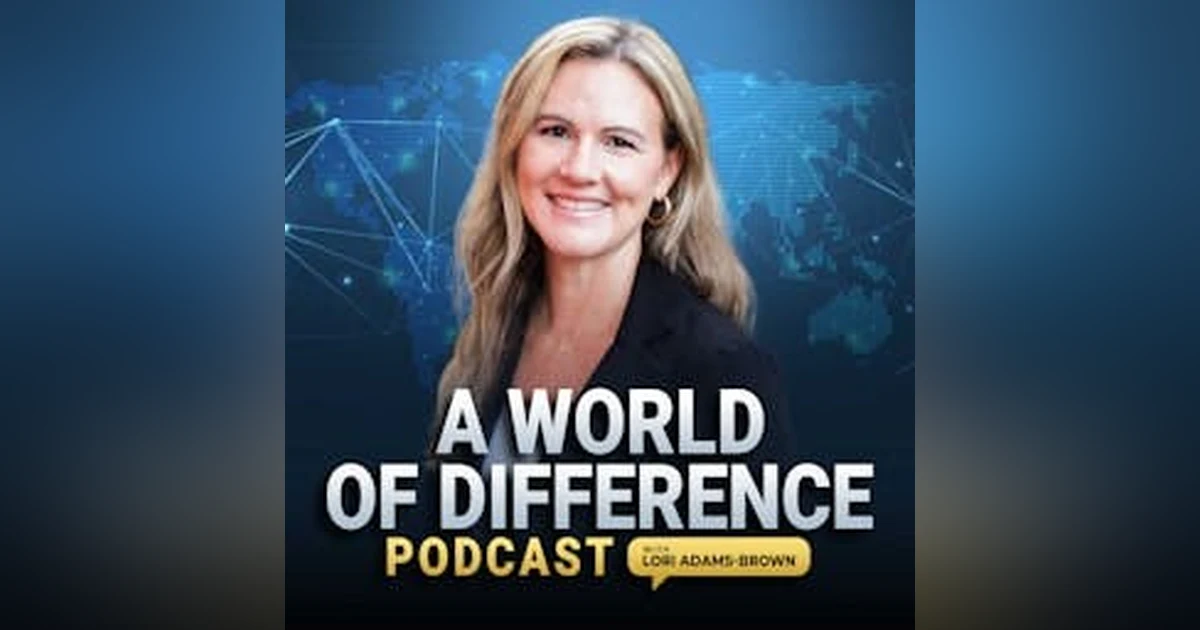
Have you heard the myths about feminist readings of the Bible? Some common myths include: feminist interpretations of the Bible are anti-male, feminist readings ignore traditional religious teachings, and feminist perspectives on the Bible are not rooted in scholarly research. Our guest, Dr. Julie Faith Parker, will share the truth, dispel these myths, and provide a deeper understanding of the feminist perspectives found in biblical texts.
My special guest is Dr. Julie Faith Parker
Our guest today is Dr. Julie Faith Parker, an accomplished biblical scholar and author of the book "Eve Isn't Evil: Feminist Readings of the Bible to Upend Our Assumptions." With a distinguished background in ancient languages, including Hebrew, Greek, and Aramaic, Dr. Parker brings a wealth of expertise to the discussion. Her extensive research focuses on the cultural and linguistic nuances of the biblical world, providing valuable insights into feminist interpretations of biblical texts. As a visiting scholar at Union Theological Seminary and a biblical scholar in residence at Marble Collegiate Church in New York City, Dr. Parker's work has garnered widespread acclaim for its scholarly depth and thought-provoking perspectives. We are honored to have her join us on the show today.
The past is a foreign country. They do things differently there. - Dr. Julie Faith Parker
In this episode, you will be able to:
- Explore feminist perspectives in the Bible to uncover hidden narratives and empower your understanding.
- Gain insight into the cultural context of biblical times, shedding light on the lives of women in the ancient world.
- Discover the significance of understanding original languages to unveil deeper meanings within biblical texts.
- Challenge traditional interpretations of the Bible to embrace diverse and inclusive perspectives.
- Experience the transformative and empowering nature of the Psalms through a feminist lens.
Discovering the Significance of Original Languages
The episode emphasizes the value of studying the Bible in its original languages. Such study provides valuable insights into the minds of biblical figures and bypasses the influence of interpretive decisions made by translators. By examining the scripture in Hebrew, Greek, Latin, and other languages, listeners can discover new nuances, foster a deeper understanding of the texts, and challenge commonly accepted interpretations.
The resources mentioned in this episode are:
- To purchase Julie Faith Parker's book Eve Isn't Evil, visit her website at JuliefaithParker.com.
- Join the Difference Makers community on Patreon to access exclusive episodes, engage with guests, and participate in polls to shape the future of the podcast. Visit www.patreon.com/aworldofdifference to join for as little as $5 a month.
- Engage with Lori and other listeners in the Difference Makers community to access exclusive content and connect with like-minded individuals.
- Explore the Difference Makers community on Patreon to access deeper episodes with guests like Julie Faith Parker and gain insights into their perspectives and experiences.
- Subscribe to the Difference Makers community on Patreon to access all past and future episodes, providing a wealth of content to explore and enjoy.
Gaining Insight into the Cultural Context
Understanding the cultural context that shaped the Bible's narratives, forms a significant part of the discussions in this episode. The biblical world, markedly different from today's society, had unique vocabularies, concepts, and societal structures that influence how we interpret the text. Grasping these aspects is vital to fully appreciate the texts and uncover hidden meanings obscured by modern perspectives.
The key moments in this episode are:
00:00:02 - Introduction to the Podcast
00:00:32 - Introducing Betterhelp
00:01:22 - Introducing Dr. Julie Faith Parker
00:03:18 - Understanding the Biblical World
00:08:08 - Importance of Language Study
00:14:08 - Reinterpreting the Psalms
00:16:43 - The Psalms in Latin America
00:18:26 - Teaching in Sing Sing
00:20:58 - Criminals in the Bible
00:27:17 - Feminist Lens on the Scriptures
00:28:22 - Feminist Interpretation of Scriptures
00:29:49 - Unique Filters in Reading Scriptures
00:31:32 - Family Struggles and Labels
00:35:35 - Reinterpretation of Eve
00:40:55 - Consequences of Punishments
00:41:04 - The Divine Mother and Daughter
00:42:22 - The Misinterpretation of Eve
00:44:50 - Feminist Lens on the Book of Job
00:48:26 - Job's Integrity and Feminist Takeaway
00:51:06 - Understanding Eve and Women in Ancient Scriptures
00:54:00 - Introduction to Difference Maker Community
00:54:40 - Exclusive Episodes and Community Benefits
00:55:03 - Call to Action
00:54:00 - Introduction to Difference Maker Community
00:54:40 - Exclusive Episodes and Community Benefits
All of us are different, but some people have labels that are put upon them that you live with because it's your ticket to services. It's how you hopefully can get some help, but that's not easy. - Dr. Julie Faith Parker
Exploring Feminist Perspectives in the Bible
The episode unveils a fresh outlook on biblical narratives by exploring feminist interpretations. By questioning traditional interpretations, particularly those that perpetuate inequality, and shedding light on the strength and resilience of women in the Bible, the episode underscores their crucial role in biblical stories. Such exploration of feminist perspectives can break away from the conventional interpretations, highlighting women's experiences, voices, and roles in the Bible.
Timestamped summary of this episode:
00:00:02 - Introduction to the Podcast
Lori introduces the podcast and its focus on making a difference for those who are different. She also highlights the importance of self-care for difference-makers.
00:00:32 - Introducing BetterHelp
Lori talks about the importance of seeking help and introduces Betterhelp.com/difference as the sponsor of the podcast, offering a 10% discount to listeners. She shares her personal experience with therapy and healing.
00:01:22 - Introducing Dr. Julie Faith Parker
Lori introduces Dr. Julie Faith Parker, a biblical scholar and author of "Eve isn't evil feminist readings of the Bible to upend our assumptions." She highlights Dr. Parker's extensive background and research interests.
00:03:18 - Understanding the Biblical World
Dr. Parker discusses the importance of understanding the cultural differences in the biblical world, emphasizing the tribal, age-integrated society and the absence of certain concepts like privacy, individualism, and race.
00:08:08 - Importance of Language Study
Dr. Parker shares her experience studying multiple languages and how it offers insights into the biblical texts. She emphasizes the importance of original languages to better understand cultural nuances and avoid the biases of translators.
00:14:08 - Reinterpreting the Psalms
Julie shares her experience of using the Psalms for spiritual connection during a dangerous encounter in Nicaragua. She highlights the cultural and biblical significance of the Psalms and the sense of worship they provide.
00:16:43 - The Psalms in Latin America
Julie reflects on her experience of singing the Psalms in Spanish during worship in Venezuela. She discusses the influence of liberation theology and the impact of the Psalms on her understanding of different types of liberation.
00:18:26 - Teaching in Sing Sing
Julie talks about her transformative experience teaching at Sing Sing Maximum security prison. She emphasizes the intelligence and capability of the incarcerated individuals and challenges the stigma surrounding people who have been incarcerated.
00:20:58 - Criminals in the Bible
Julie discusses the presence of individuals who committed crimes in the Bible, such as Cain, Moses, David, Jesus, and Paul. She emphasizes the importance of offering second chances and not being quick to judge incarcerated individuals.
00:27:17 - Feminist Lens on the Scriptures
Julie explains her choice of using a feminist lens to interpret the scriptures. She shares her experience of feeling empowered and discovering a different perspective on the story of Eve, challenging traditional interpretations.
00:28:22 - Feminist Interpretation of Scriptures
Julie discusses making the scriptures accessible to all, regardless of biblical education. Feminist interpretation liberated her and she hopes her book will do the same.
00:29:49 - Unique Filters in Reading Scriptures
Julie talks about the uniqueness of individual filters when reading scriptures. She relates it to her work in leadership development and emphasizes the relevance of the scriptures to human experiences.
00:31:32 - Family Struggles and Labels
Julie shares her family struggles, including her son's autism diagnosis and daughter's bipolar disorder. She highlights the importance of erasing the stigma associated with such conditions and finding help.
00:35:35 - Reinterpretation of Eve
Julie discusses her reinterpretation of Eve, emphasizing her curiosity and the blame unfairly placed on her. She delves into the translations and punishments related to Eve's story.
00:40:55 - Consequences of Punishments
Julie explores the consequences of the punishments given to Adam and Eve. She discusses the ideology and patriarchy reflected in the scriptures' portrayal of gender roles.
00:41:04 - The Divine Mother and Daughter
Julie discusses the relationship between Eve and God, highlighting the divine connection between mothers and daughters. She emphasizes that the presence of women together reflects the presence of the divine mother and daughter.
00:42:22 - The Misinterpretation of Eve
Julie delves into the misinterpretation of Eve's actions, pointing out the mistranslation of her words and the bias against her character in the biblical text. She challenges the traditional narrative and provides a feminist perspective on Eve.
00:44:50 - Feminist Lens on the Book of Job
Julie explores the feminist perspective in the book of Job, highlighting the portrayal of women characters and their significance in the narrative. She emphasizes the importance of interpreting the text through a feminist lens to uncover hidden biases.
00:48:26 - Job's Integrity and Feminist Takeaway
Julie discusses Job's refusal to accept blame and his unwavering integrity in the face of adversity. She interprets this as a feminist takeaway, emphasizing the importance of standing up against unfair accusations and holding onto one's truth.
00:51:06 - Understanding Eve and Women in Ancient Scriptures
Julie shares her insights on understanding Eve and women in ancient scriptures, highlighting the importance of reexamining the portrayal of women in religious texts. She encourages a deeper understanding of women's roles and experiences in ancient narratives.
00:54:00 - Introduction to Difference Maker Community
Lori introduces the Difference Maker Community where listeners can engage with guests and participate in polls to impact the podcast content for 2024.
00:54:40 - Exclusive Episodes and Community Benefits
Lori encourages joining the community to access exclusive episodes and interact with guests. Access is available for as little as $5 a month on patreon.com.
00:55:03 - Call to Action
Lori invites listeners to join the community and acknowledges their efforts in making a difference worldwide. She signs off with a reminder to continue making a difference.
00:54:00 - Introduction to Difference Maker Community
Lori introduces the Difference Maker Community where listeners can engage with guests and participate in polls to impact the podcast content for 2024.
00:54:40 - Exclusive Episodes and Community Benefits
Lori encourages joining the community to access exclusive episodes and interact with guests. Access is available for as little as $5 a month on www.patreon.com/difference.
- https://www.youtube.com/@aworldofdifference
- https://www.facebook.com/A-World-of-Difference-613933132591673/
- https://www.linkedin.com/company/aworldofdifference/
- https://www.aworldofdifferencepodcast.com
- https://www.twitter.com/@awodpod
- www.betterhelp.com/difference
- www.patreon.com/aworldofdifference
Learn more about your ad choices. Visit megaphone.fm/adchoices
Follow the podcast at:
- https://www.youtube.com/@aworldofdifference
- https://www.aworldofdifferencepodcast.com
- https://www.linkedin.com/company/aworldofdifference/
- https://www.instagram.com/aworldof.difference/
Join our Difference Maker membership community for a ton of exclusive content for as little as $5/month. (The price of your a latte at your local coffee shop to enjoy a whole month of content.) Lori's Travel Tips are included as well as exclusive minisodes with our guests not available anywhere else. Join for deeper conversations and a little fun today at https://www.patreon.com/aworldofdifference
Keep making a difference wherever you are!
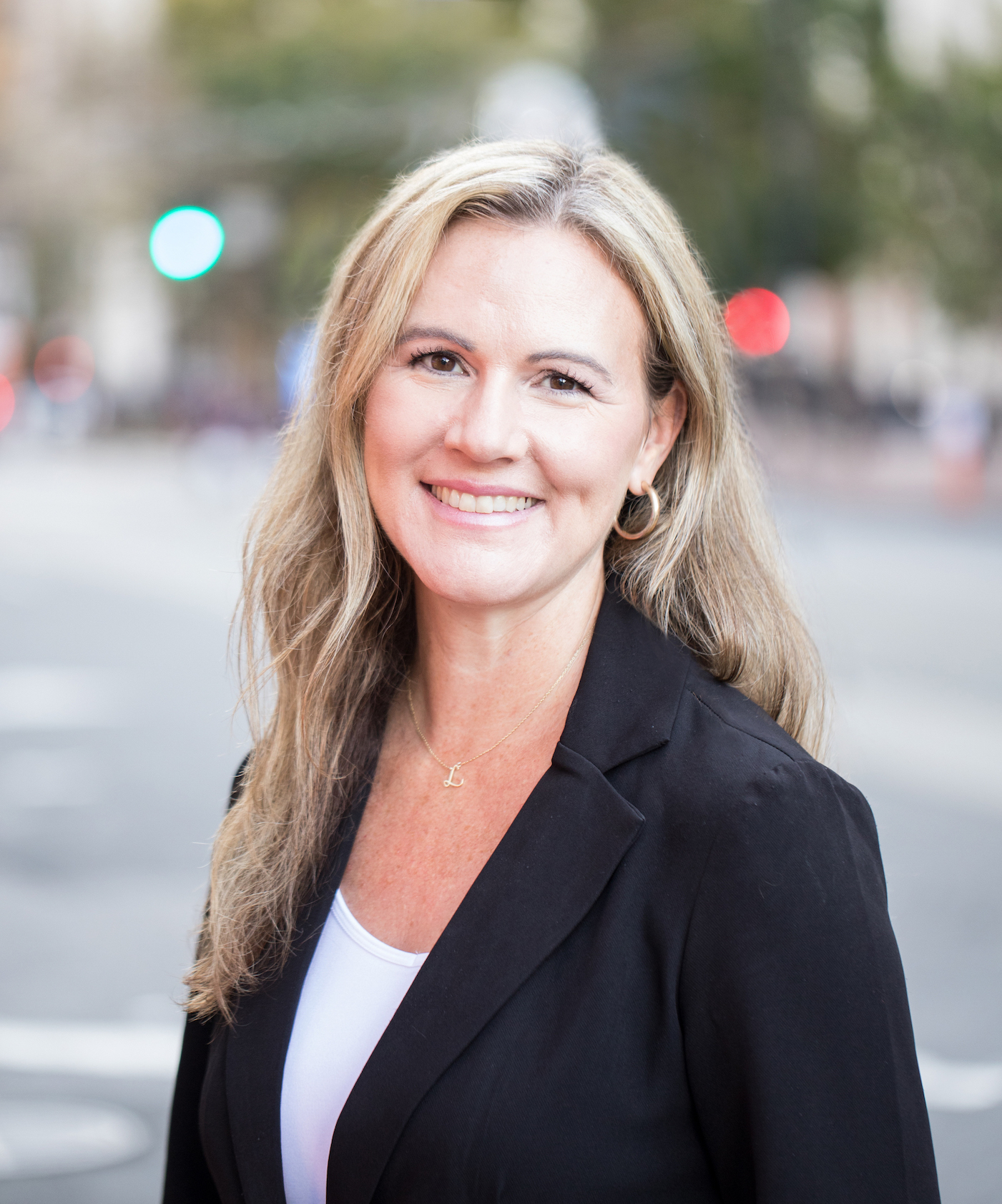
Lori Adams-Brown, Host & Executive Producer
A World of Difference Podcast
0:00 Welcome to the a World of Difference podcast. I'm Lori Adams Brown and this is a podcast for those who are different and want to make a difference. I know many of you difference makers out there are working yourselves so hard that you are not taking care of yourselves. I know this because I was once one of you, and I know that many of you write and tell me what you're doing and reach out to. And so I'm really thrilled that the sponsor of this podcast is betterhelp because all of you helpers out there, you need help too. You need help to slow down process some of the things you're walking through. Many of you are walking through all kinds of traumatic situations. So if you've experienced any kind of trauma or just any relational difficulties, or you just feel stuck, Betterhelp is a great resource that I'm happy to announce to you is giving us 10% off our first months out there. So if you go to ww dot betterhelp.com difference today, you'll get 10% off your first month. I've been working with a therapist there. It's been life changing. I've had done so much healing over the last year.
1:03 So why don't you give yourself a chance to heal? Starting this year, 2024 is your chance to dig deep, work through whatever has gone on in your life and with a professional. So ww dot betterhelp.com difference go there today to get 10% off and give yourself the gift of healing. Today on the podcast we have a very exciting guest, Dr. Julie Faith Parker. Julie has written an incredible book that I have devoured called Eve isn't evil feminist readings of the Bible to upend our assumptions. Julie is incredible in terms of just she speaks and has studied eleven languages, mostly ancient. She enjoys speaking French and Spanish, but she's also a scholar. She's actually a visiting scholar at Union Theological Seminary and a biblical scholar in residence at Marble Collegiate Church, both in New York City. She was awarded a PhD with distinction in Old Testament Hebrew Bible from Yale University. She holds degrees from Hamilton College, Union theological seminary in New York City where she got her MDiV and Yale Divinity School. She lived during her studies in Paris while she was studying art history and in Costa Rica studying liberation theology. Her research interests focus on children in the Bible and feminist biblical interpretation, as well as near eastern languages and cultures. She's published many articles and written or edited eight books. Her teaching includes her role as professor of biblical studies at schools including General Theological Seminary there in New York City and
2:35 Trinity Lutheran Seminary in Ohio as well as Colby College up in Maine, in addition to teaching at New York Theological Seminary, where her students were incarcerated in Sing Singh prison. And she writes about that in her book. Very excited to talk to her about that today. She's an ordained minister in the United Methodist Church, and Dr. Parker has worked full time in both congregational and campus ministry. I'm so thrilled to have her on the show today and for us to get to know her a little bit better together. So welcome to the show, Dr. Julie Faith Parker. Hello, Julie. And a very warm welcome to the. Awor of Difference podcast today. Thank you so much, Lori. I'm really delighted to be here. Yes, I'm delighted because I've really enjoyed. Your book Eve isn't evil, which is an incredible title, by the way.
3:25 And I've really enjoyed reading your words and just your thoughtful process of both personal narrative as well as just the biblical text that you engage with. Even just some of the illustrations you have towards the back, especially, and even just leaning us toward curiosity as the book finishes. So I really hope people get their hands on your book. But today we're going to talk a little bit about it, why you wrote it, and what you're hoping the world kind of understands from your book. So your recent book, it helps readers understand the biblical world, which was certainly a world or many worlds away from the world we live in now. I mean, when we think about, even when you, it's very clear in the illustrations you include, the world that we're reading about is very different than the world we live in. And so I think that some of our western readers tend to, and I had the same discussion with Dr. Scott McKnight about his recent translation of the New Testament. Sometimes we read the scriptures here. I'm talking us based California, New York, wherever we are, and we think we're reading about our neighbor Amanda or whatever. But you're helping us understand. We need to keep in mind these are ancient texts right in the Bible that we're reading about. Help us understand why that's important and what your perspective is on all that. Sure. Perhaps you've heard the saying, the past is a foreign country. They do things differently there. I think because the Bible is so. Familiar to many of us, or
4:56 certainly many of the stories, even though we don't read the Bible, we know a lot of those stories. We tend to make it more familiar. Than it actually should be because it is such a different culture. It was a tribal society. The world of biblical Israel was age integrated. For example, today, if you're a modern academic. You can go through decades of your life without a substantial conversation with a. Child unless you have children in your family circle. Not so in the biblical world. Children and adults were together all of the time. We see this in some of the vocabulary, how different it was. There's no word in the Hebrew Bible. For privacy, for example. There's no word for individual, for example. There is no word for religion because it's just life. There's no word for atheists, not adoption. So it's just a different way of thinking. Another example is there's no talk about. Race because the concept of race doesn't exist. It's a much late. I mean, there's lots of discrimination, but usually it's on the basis of where you're from, or perhaps class. But something as superficial as skin color. Is never brought up in the scriptures because this race is a much later economic concept that was created by people. Of Europeans descent to exploit and systematically.
6:12 Torture people of african descent. It has nothing to do with the. Bible, and so it's also more egalitarian than we tend to think. Carol Myers is a scholar who taught. At duke for many years. And when she was president of the Society of Biblical Literature, she gave a paper. Her presidential address was ancient Israel, a patriarchal society. And her answer was basically no, because it was so integrated and men and women were really dependent upon each. Thing, just one other thing to mention. It also comes at the same time, it comes through a fairly elitist lens.
6:56 Because very few people could read and write in the ancient world. Most people probably never saw a written word in their entire lives and didn't really affect them. So these are all such huge cultural. Differences that we often forget about when. We read the Bible. But I think they're really important, especially. This elitist lens, because there are certain. Power dynamics that are ingrained in the text itself, and it helps be aware of them. Yes, the power dynamics, I feel like, is the conversation to have with american white evangelicals in particular right now. And I feel like sometimes a broken record bringing it up. But it is from my own background studying sociology.
7:39 It was something that just sort of gave me a lens to see the world in a different way. And then I think for those who have read the Bible in other languages and those languages having primarily a lens of oppression as opposed to empire, and there's been a lot of conversation around this that there is a different nuance there. So tell us about your work as a Bible scholar. You've learned many different languages. Let us know what languages you studied and how they offer you insights on the scripture as well. Well, like you, I love to travel. And I love to study languages. I feel like it's such a window onto the world. Modern languages. I've studied French. I lived in Paris studying art history. I lived in Central America studying liberation theology. So French and Spanish also know some. German and some modern Hebrew. But it's really ancient languages where I spend more of my time. That, of course, is Hebrew and Greek. Aramaic, I've taught eugeritic. I've taught akadian. I've studied syriac and some Latin. So that Bible is a very linguistic field. I've studied eleven languages. That's not uncommon at all. But I tell my students when I teach Hebrew that this is your ticket. Into the mind of Moses. If you learn Aramaic, this is your. Ticket into the mind of Jesus and. Hebrew as well, because those were his scriptures. But you really get such a better understanding of how people think and what is important to them through the vocabulary, right? The vocabulary of a culture tells you. So much
9:11 about it, it actually shapes our perception. The classic example, of course, is the innovate people. And they're, what, 50 some od words for snow? Whereas I just see white, flaky stuff here in Manhattan. It's like, oh, it's snow. Or color is another great example. The more words you have for different colors, the more colors you actually see. And so when we read the biblical. Text, if you could do it in original languages, you learn so much about. How people were thinking. And also you're not subject to the. Vagaries of the translators. I shouldn't say vagaries, I should say decisions. But to translate is always to interpret. And as someone who interprets the Bible for my own work, sometimes it's just. Amazing to me, read appalling some of the decisions that have been made, particularly regarding women. Oh, my goodness, yes, absolutely. I think that some of the listeners will absolutely relate to that.
10:08 It could be new for some people listening. But I do remember when I had the realization many years ago, back when I was living in Singapore, that even though the majority of my colleagues in the mission agency where I work, which was southern Baptist, would be reading the, you know, it was one of those, you go to these annual meetings, people have the ESV. So you think, oh, that must be a good translation. So you buy it, you start reading it, and suddenly you realize, wow, right? I mean, you don't realize how you're being inundated with translation. And when I finally realized that this is an unabashedly complimentarian translation. I think those are their actual words. Right. I switched to the CEB because it just was like, I need something that has some women translators, not just white translators, too, but, like, african american, asian American, Latinos who help translate this, that those interpreters matter, because I totally agree. Any of us who speak multiple languages, and many of our listeners do understand translators, are making choices. So could you share a little bit about how these cross cultural experiences you've had, both in travel and just being abroad, studying abroad, and how they're relevant to these different books in the Bible? Sure. So I share a couple of stories in the book. It's a combination of academic knowledge and.
11:32 Some very personal stories. And so I share some stories about. Times when I was abroad, because, as. You know, when you get out of. Your comfort zone, you're really on the growth edge. And so if you put yourself in a foreign culture, especially where they speak. Another language, you're going to be changed in some sort of way. And my hope is that more Americans will learn more languages. It's very easy to travel as an american and just speak English. And I think there's a real loss because you don't get to know people in the same kind of way. I, like you, have put myself in. These situations where I've really had to. Make my way feeling like the foreigner. And that's very educational as well, because I was.
12:16 But some of these experiences I share. In the book on psalms called guns and psalms, I talk about how the psalms really speak to all of our emotions, unabashedly unafraid. And one of the emotions that they speak about is fear and how. I was in Nicaragua. I was in a town called Esteli, and I was going north to a small town called Hondaga. And the only way to get from. One place to another then was to hitchhike. Now, I need to add, I'm not a hitchhiker. This is not something I do in my real life. But it was the only way to. Get from one place to another. So here I was, this 20 something woman, by myself in a foreign country with a war going on. Oh, yes, let me throw that in. The war was going on, but I. Was convinced I needed to get to. This town to help out with this woman's construction team building a school. And so I hitchhiked, and I was.
13:11 Waiting for a couple of hours in the hot tropical sun because everybody was. There was a mile along the stretch. Of mile stretch along the pan american highway, and there were scores of people lined up there. And finally this military truck pulled over and loud, a number of people. There were some soldiers nearby. They got on, and a number of. Us civilians got on as well. And we're driving along the pan american. Highway, and all of a sudden I realized, gosh, maybe it wasn't such a. Great idea to get on this military truck with armed personnel as we're going through this enemy territory. And then it got really tense because. The soldiers put on their guns and. The truck slowed down and they started shooting. And this whole time, Lori, what am I thinking of? I'm thinking of, of course, my old. Testament class, because I'm remembering my professor. Dr. Phyllis Tribble, from whom I learned. At union theological Seminary.
14:07 And she was talking about psalm 121. And she said, people think of this psalm. I lift my knives to the hills. From whence cometh my help. She said, no, that's animism, looking to. The hills for help. Like the Nietzsche has a soldier. That's not it. It's really, I lift my knives to the hills. Parentheses, there are enemy soldiers in those hills from whence cometh my help. My help comes from the Lord who. Made heaven and earth. So while the shooting is going on. I'm thinking to myself, I lift my. Eyes to the hills whence cometh my help. My help comes the Lord who made heaven and earth. Then all of a sudden, I hear. One soldier yell, Lotango. Lotango. The shooting stops. I see him in the hillside, and he pulls something, and he's coming back down toward the truck. And I'm sure he is carrying a dead soldier's gun. But it turns out what he has in his hand is an iguana. They were sport hunting for iguana, which Nicaraguans like to eat. But the whole time I thought I might die. So in retrospect, it's a little funny, but the fear was real, and it just was a real cultural experience, but at the same time, a really insightful biblical experience, because I was using the. Psalms the way people have used the. Psalms for millennia, to feel a connection. With God, to feel this sense of worship when you're away from a place of worship. And we can all use the psalms that night. Yeah, the psalms. It's just such a special book all
15:38 by itself. Just take that one part out and to measure the impact would be innumerable on so many cultures and lives throughout the know, thousands of, you know, for me in my recent history, although for me, when I think of the psalms, the first thing I think of is singing the salmons in Spanish. Growing up in church in Venezuela, because a lot of our worship songs were just direct taken out of the scripture and put to latino style music, right? And so there would be a lot of hip swaying. And there was a woman in front of me often when I was a kid, and she was an Amazon woman. And so even my eye level was right at her rear end, and her rear would go back and forth, swaying to the psalms.
16:20 And so I think of this embodied version of actual dancing and freedom. And like you mentioned, liberation theology. I think a lot of my theology was formed by that, as well as the songs we sang about different types of liberation and how captives are set free and how oppressive governments or corrupt governments can make life hard. And so those were the realities of growing up in Latin America. But in a more recent sense, having walked through spiritual abuse on a staff at a church here in Silicon Valley, it was being away from the walls of the church, being on the cliffs in Santa Cruz, watching the ocean, and reading the psalms that helped me connect with God and the rescuing help. Like the Ezer. Right, the kind of God that rescues us when we're desperate for help. It gave me a depth to my understanding of the psalms that I had, and it connected me of a history of both Christianity and also the history of what it must have meant for the writers of the psalms to write these things. And I think that you mentioned earlier, being an individual, it's not a part of many cultures. It's a very western focused concept. But my experience in Indonesia, Singapore, Venezuela, growing up was not about being an individual Christian as much as it was being in community. And the psalms helped me feel to be a part of that community. And so I agree. There's something so deep about the
17:51 song psalms. You also have. One of my favorite chapters in your book is about teaching at Sing Singh maximum prison. And your chapter has to do with the song of psalms. And sing, sing. It's almost like a tongue twister to say the chapter title you taught, and I can only imagine the fear. You kind of walk through that in the book a little bit. Prisons really are, though, a different world from what most of us know in our daily lives. So what was it like for you to teach there at Singh Singh Maximum security prison? What did you learn, and how do these insights inform your own reading of the Bible? I really loved it. Lori. Again, it was a very different context. From anything I'd known before. I didn't know anyone previously who was incarcerated. I think I'd been to a prison once on a trip with a church. Group, but I really knew so little about it. But I honestly believe that God just. Put it on my heart because I just felt deeply compelled to teach inside of prison. And so after some persistence, I was able to teach, which I really wanted to do. I was able to teach with New York Theological Seminary. They're located here in Manhattan, but they have a program.
19:02 They call it their north campus Sing Singh prison, and it's the only master's degree program within New York City. And it's a wonderful program. It's a very competitive program. I think they had 54 men apply. For 13 seats, something like that. So they were really good students, and they all wanted to be there. And the volunteer coordinator, when I was. Undergoing my training, she said, this is. The cream of the prison problem, and I believe that. So in some ways, what I'm sharing. Is very much from my own limited perspective. I know that people have had much. Harder, much more difficult experiences as chaplains. And as directions on site prison. But for me, it was really joyful.
19:42 It was really joyful. I just loved talking about the scriptures with these men. They did all the reading. They had the time, they did all the reading. So they were really excellent students, two of them in particular. Honestly, if they'd been born into another. Life, they would have been professors, I think. They were so bright. They were such good writers. And actually, I have another book, my so called Biblical Life, in which I. Published their essays, their class essays, and. That was part of my motivation for. That book, because I wanted to get. Their names out in the world in. A positive way, not just their crimes or help to do that. They've done a lot themselves, too. But some of the things that I. Learned were, one, I really try not. To speak of prisoners. I try to speak of people who've been incarcerated, because these men were, as I said, they were just born into. Really difficult situations of poverty and gang ridden neighborhoods. And if I'm honest with myself, if I'd been born into a neighborhood like. That, I know my life would be really different. And if I were in that pipeline. Of sending men of color to prison, who knows? Really? Who knows?
20:51 But another thing that happened through that experience was I really learned to know the Bible better. I just started noticing all the people who commit crimes in the Bible. So we have Cain, okay, that's Genesis four. He murders his brother, okay? So we don't have to get very far. And in the same chapter, you have. Lamech who says he murders someone. That's two murders, right away, chapter four. But what does God do with Cain? Put a mark on him to protect him. And then we get to Exodus, chapter two. I think it's just two verses, 1112. But Moses, after he grows up, he. Sees an Egyptian beating a Hebrew. He looks this way and that kills the Egyptian, buries him in the sand and then flees. So that's murder. A crime of passion perhaps, but he's a murderer and he's a fugitive. That's Moses. We're in chapter two of Exodus. If you take him, you lock him up, throw away the key. The Bible's done, Lori. Okay. We're only in Exodus, chapter two. That's the end of the story. And then, of course, we have David.
21:57 So David's name means beloved. He is probably the most beloved character in the Hebrew Bible. He's certainly the character who's named the most. I believe it's over 1000 times. And he is a premeditated murderer. He breaks half of the ten commandments, he takes another man's wife, commits adultery. And then really works hard to have Uriah killed. So he's a premeditated murderer. Then you get to the New Testament. Who are the two most famous people there? Jesus and Paul. Jesus is brought up for the crime. Of treason and he's executed as a criminal in the worst possible way through crucifixion. And Paul writes a number of his. Letters from Philemon, of Philippians, of the authentic polling letters. So these people, whom we would see as criminals, are heroes of the Bible. Really, the superstars, the four top people. Of the entire Bible, are all criminals. And so I think that helps me.
22:56 To maybe be a little less quick. To judge folks who are incarcerated because we don't remember Moses, David, Jesus and Paul for the worst thing that they've ever done. We give them another chance, right? Yeah, we do. It is interesting to hear you say it that way, even after having read what you wrote. And I think about, like, my Father for many years was a chaplain in a jail in New Mexico, which had had some pretty horrific situations where there had been some beheadings of some of the guards. And it was just a pretty brutal kind of prison break years before. And his experience and his stories were just incredible. I mean, I feel like some of the inmates he worked with and taught seminary classes, too, and also provided whatever religion they had, the paraphernalia from their own religion, and would have discussions with them about their faith, whatever their faith was, whether it was some native american indigenous practices or with nation of Islam, all these different religions. So he always had fascinating stories, but especially with his kind of teaching seminary classes, he had a pretty similar experience. People were well prepared.
24:12 There were some really intelligent inmates who maybe had been raised in situations where their classical education had not been the same level as had they been raised in a zip code where the property value was higher, for example. But the intelligence and capability of learning and their desire to learn very high in some of these cases. And I was always fascinated, and still am, when I hear my dad tell those stories, because I think we have a lot of stigma around people who have been incarcerated. And when you talk about the lens of the scripture, through what you just mentioned, how many people had been incarcerated that are heroes of the faith, it really does sort of give us a whole different way of approaching it and. A whole different conversation to have, and. Hopefully a lot more compassion on ourselves and on our communities and also the justice system that is part of our wherever country we live in. How we handle people who commit crimes is a part of our faith journey. Right? It's so true.
25:19 And God bless your dad. That's such important work that he did. I feel that education is so transformative for all of us. It certainly has transformed my life, and. I'm sure yours, too, but especially for people who are incarcerated, because it does so much not only for a person's sense of their intelligence, but also their self esteem. Someone who works in the correction system. Told me that when people become better. Educated, it improves their relationships with the people that they're with, whether it's corrections officers or other people with whom they're incarcerated, and also with their families, and also it improves their hygiene. That one surprised me. But it's because people's self esteem improves and their sense of themselves improves, and.
26:06 That'S invaluable, especially because most people get released and come back on the outside. We want people who are able to. Contribute to society, and that's what they want to do, too. But we need to help give those tools. Absolutely, 100% agree with that. And there are some really great people. Doing some really good work out there. It's pretty cool to see. I want to shift gears for a second and talk about how Eve isn't evil, which is, once again, such a. Great title. When you were writing it. You're looking at different sections of the Bible through a feminist lens. I know that for me personally, feminist theologians have been very helpful, and I include the muhedistas, the womanist theologians, women of color in that, because that extra layer of people's perspective of not just being a woman, but from being different cultures, necessarily from the white male theologians, which is the predominant theologians I read in seminary at least, and for many years. So why did you choose this approach, a feminist lens on the scriptures? And how was it helpful in writing this book?
27:15 Again, I have to tell you, Laura. I really felt called to do it. I believe the Holy Spirit put it on my heart, but also, this is how I fell in love with the Bible. I really felt like it was an otherizing story. Honestly, I didn't know that it had. That much to do with me until I started reading it through a feminist lens. And that was again held by my. Professor, Dr. Phyllis tribble at Union theological. Seminary, who, as you know, is really. The foremother of feminist biblical interpretation for the hebrew scriptures. And in her lectures, I would just sit there, enraptured and empowered, and started to feel like, wait, this story about Eve is not what they've been telling me. What? It doesn't mention anything about original sin or the fall. Those words are nowhere in this chapter or this whole story. It's not that long a story.
28:06 Genesis two, three, they're nowhere. But why is that all anyone knows about Eve? And the more I began to learn and the more I got the tools. To delve deeper into the text, the more exciting I found. And I thought, I just want to share what I've learned. Hopefully, in a way that people will. Find accessible, hopefully in a way that. People who haven't been to seminary or even don't know anything about the Bible. But are just a little curious, will. Feel like they're brought along for the journey and not left on the side. If they haven't had a whole lot of biblical education, because I really knew. Very little about the Bible, honestly, until. I went to seminary. And a lot of people don't have that opportunity. So I'm hoping this book will help people to discover the scriptures as an exciting, liberating, life giving word. Because that's what feminist interpretation did for. Me, and that's what I hope this brothers as well.
28:58 I love that. Big proponent of just getting different perspectives on the scriptures. Because once again, it's not just one book. We call it the Bible, but it was written over such a long period of time, people in all these different contexts, largely under oppression, and understanding the context of all that matters. But even as some of the beauty of this literature is that as we read it today, it's still so relevant to the human experience and our own lived experiences today. But each of us have such different filters, and I do. I work in tech now in a company where I'm a senior manager of leadership and development. And I've been doing these leadership seminars in the UK with our people there, and then in Memphis and then recently here in our Fremont headquarters. And every time I do these kind of workshops, I'm training on communication skills and listen to understand for our leaders. And in my research for that, a guy at Stanford graduate business school was saying, the filters that we listen through are unique to each of us because of our personalities, our experiences, our cultures, our languages, our families, what we've been through our lives. And so everybody's filters are unique when we listen, and they are as unique, and this floored me as our fingerprint. So literally everyone that listens is listening. In a unique way. And I really believe as we read the scriptures, we're all reading it in unique ways. And so to
30:30 kind of put us in a box of how we read it, it's not helping us. It was not intended for that. But you yourself, as a mother, are reading through the lens of a mother. You're also reading and writing in a scholarly way about your own family. And you write about, through the lens of your children and labels they've had to carry from their own differences. So you write about your son's autism diagnosis, your daughter's struggles with bipolar. How did this impact you and your writing and your work as a scholar? Part of it was a response to. Social media, because we all put out our beautifully curated worlds. I'm barely on social media, but you. Look at Instagram, you look at Facebook. And you see that everything looks so wonderful. And people are having such a great time. And his family is absolutely perfect, and. It'S just not real life. And so I wanted to. In response to that, I just wanted to share some of my struggles and. Some of my family struggles. And we talk about a world of difference. We're all different, right? Like, our filters are unique, as you just said, our fingerprints are unique. We're all different. But some people have labels that are put upon them and that you live.
31:45 With because it's your ticket to services and it's how you hopefully can get some help. But that's not easy. We found out that my son was. He had this diagnosis. At the time, they called it Asperger's syndrome. Now we call it being on the spectrum. But he got this diagnosis when he. Was five years old because he just didn't have much interest in other children. And that's a tough number for a. Parent to be told your child's autistic, and I just had no idea what his future was going to be like. And we were able to get him. Services through the school a little bit on our own. I did some things for him I wish I had done more. Know, it's so hard. You always, you know, you can always do. He's. Yeah, you can always do more.
32:30 That's really hard on moms, especially, like. There'S so much you can do. But now he's doing really well. I want to tell you, Lori, he's like a success story. He lives in Brooklyn, shares an apartment with my nephew. He works for Morgan Chase, pays all his own bills. He's doing great. And so you can get to the. Other side of it. I don't talk about that part in. The book, but it's there. And when we share these struggles, we feel less alone. My daughter, she's developed this show called Bipolar Badass. She started doing comedy sketches in New. York City about her bipolar disorder, and. Then she developed into a show that. She took on the fringe.
33:10 She won emerging artist awards. She's performing in Europe. And her whole goal is to take away some of the stigma about having bipolar disorder, because people speak about having. Cancer, and then they get flooded with sympathy. You say that you're bipolar, and people use it as an expression that's derogatory. When they're having a bad day. Oh, I feel so bipolar. It's a serious, life threatening, chronic condition, and we need to recognize that, but also be grateful that it's treatable and. There are things you can do. And so she talks about her medication. And she talks about that in her routine. She talks about that in her show. And I talk a little bit in the book about how terrifying depression can be. I don't mention this, but I lost. A cousin to depression who took his. Own life, so I get how scary. It can be, but she's really working hard to combat that. And I think when we talk about. It, it helps us all to erase the stigma. It helps us all to find help. And for me, that's one of the. Great gifts of feminism. It helps us to feel less alone, and I hope that the book might do that in some small way, too. Yeah.
34:20 Well, thank you so much for sharing that vulnerably. I think that many people listening to this podcast can relate both families who have somebody in their family that's on the autism spectrum, people that actually themselves are neurodiverse, that listen to the podcast, as well as people who suffer from bipolar and the stigma of it as well, as well as some of the complications medically from getting the treatments that. You need, which is a whole other. Kind of conversation as well, of marginalization, at least in the United States, that often people experience. And being a mother of children like that, but also seeing the struggle and hearing you talk about that as well as know hope that you give for what their lives are like now. And I'm really grateful to hear that you raised them in such a way as to where their differences could be something that could help them to make a difference in the lives of others. We will definitely check out bipolar badass, so we'll look for that. That sounds like a lot of.
35:20 Badass. That's awesome. When we think about this book that you've written and such a gift. Thank you so much for all the hard work you put into it. Your interpretation of Eve, you mentioned this earlier. It's so different than what you were told. Most of us, when we think about Eve, especially in some of the white evangelical spaces here in the United States, a lot of us do think, or the narratives that we've heard some preachers, mostly men, say about her, well, she was the first to sin. She led Adam into sin. When you think about Eve now, especially after having written this book, kind of how do you understand her and why? I love her. She is one of my favorite Bible. Characters because she's curious, because she seeks knowledge, because she wants to know the. Difference between good and evil as she. Makes her way in the world, that's ethics. I think that's a good thing to go through the world ethically. And all of this blame is put on her when Adam is there the entire time. That's something that often gets left out, not only from our interpretation, but actually from the translation. So Genesis three six reads.
36:34 And when she saw that the tree. Was good for food and that it was a delight to the eyes and that it was desired to make one wise, she took of its fruit and she ate and she gave some to her husband who was with her, and he ate. That's the NRSV. I would say her man, because there hasn't like been a marriage thing, but anyway. And he ate. But the words who was with her are not in a lot of Bibles. They're not in the revised standard Version. They're not in the Jewish Publication Society, Tanakh of 1985. They are left out of many translations of the Bible. And that about a third of english translations leave that out. I did a lot of research on this and published an article called Blaming Eve alone. But I was stunned to see that. One small Hebrew word ima, meaning with. Her, has been left out of many. Translations of the Bible. And that makes it very easy to just blame her for the quote, fall of humanity. Fall again, that word is nowhere in. The text, even though she hasn't even been formed yet. In chapter two, when God says to. Adam, don't eat of the fruit of the street. She hasn't even been formed, and yet she takes the blame, she takes the fall for him. And at least she thinks about it, at least she has these reasons, a number of reasons why she's going to eat. And he just like eats right away.
37:49 Doesn't say if he'd been a helper. Azer, as you mentioned before, that word means helper in the Hebrew Bible. She's formed as a helper. But 90% of the time that we. Read it in the Bible refers to God, like psalm 121, which we mentioned earlier. I lift my knives to the hills, you must, my azer, my helper. And so if he'd been more of. A helper himself, he might have said. Wait a minute, don't eat from that fruit of the tree. But he doesn't. He eats. And then all of this is a. Couple of things I want to point. Out that most people aren't aware. All three of the characters are punished, right? So the snake is punished. Here we have a series of ideologies. For stories of origins that explain observable phenomena. And so why do snakes, like, imagine a child in the intro, mummy, why does snakes slither? It's such a funny way to move. Most animals don't move like that. Let me tell you, my child, long. Ago and far away, there was this talking snake, but it disobeyed God. And so in the end, it had to slender, right? That's the punishment with the snake. And also the other punishment of the snake is that there's going to be enmity or hatred between the woman and the snake. And a lot of people have really irrational fear of snakes, even if it's. A garter snake that they know isn't. Going to hurt them. They just freak out, right? So it explains this observable phenomenon. The woman is punished with pain in childbirth. The word for pain is it savon. In Hebrew, and it means labor. The exact same part of the man's punishment, same word, itzavon. He's going to have to labor with the ground, the Adam, he's going to have to work with the Adama, the. Human with the humus or the soil. Earthling with the earth. And so she has this punishment of having pain and
39:21 childbirth. But as I point out, pain and childbirth, which I've experienced, it's temporary, and. At the end, you get a but. So it's a really great reward for, know, a day or so or half a day, maybe two, of kind of misery. But in the. Like, you have this baby. It's pretty amazing. But with Adam, his punishment is he has to, all the time is toil. In, out, in, out, in, out, in, out, just to get enough to eat every single day. It doesn't stop after 24 or 48. Or 12 hours, whatever. And also that pun, you know, she's. Told she has a punishment. Your desire shall be for your husband, and he shall rule over you. Genesis 316. Your desire shall be for your husband. I read as an ideology as well.
40:03 Like, why would a woman in the ancient world ever sleep with a man when she knows that she's taking her. Life in her hands? Because she could die in childbirth. Without medical care, your chances of dying are pretty good. One in ten, one in 20, maybe. That's like russian roulette. So why would she ever sleep with a man? You need to explain it with an ideology. Her desire will be for a husband. And her turning actually is to. Shook is the word in Hebrew. Her turning will be to her husband. So she will turn or something, and. He will rule over her. Carol Myers, who I mentioned earlier, she says this is explaining the man's role as penetrator. Know, sexually, he's dominating in this, and. But it's part of the punishment. And even if you think it's an ideology for patriarchy, it's part of the punishment. It's not God's good creation. These are the difficult things we're stuck dealing with. And then the man, he has to. Labor all the time. He's going to become dust serpent food, which was what we're told the serpent. Is going to eat. So his punishment really seems pretty harsh to me. But then what happens? At the very end of chapter three. Only the ha Adam is sent out. Of the garden of Eden. And I play with a little bit in the book. I'm like, and Eve and God, they stay together.
41:09 They're both creators. She is the mother of all living. They rejoice in their wise and glorious creation. Whenever you see a mother and daughter laughing together, that's a spark of the divine mother and daughter. Whenever you see two or three women together gathered in her name, she is there among them. And eventually she decides to take pity on Adam and go out and keep. Him company, because in chapter four, she's. There, and she buries Cain. She buries that child. But that happens much later, in my understanding. The text never says when she leaves. And so perhaps she is just there with God, because the angel with the flaming sword that guards the way to. The tree of life, only the ha Adam has made out of the garden of Eden. Isn't that interesting? It's so different.
41:49 This is just the Hebrew, Lori. Yeah. No, I love it. Every time I hear people, because I've studied the Hebrew of the story, I hear more things that were left out of the Sunday school flannel board version for a lot of people listening. Can I just share one other thing? It's so true. Yeah. I read the Bible in Hebrew every morning just because I love it so much. And every time it blows my mind. I find new things. So I was reading Genesis four not long ago for a presentation I was. Doing on Cain and Abel. And it says in English, so Eve. Bears a child, and she names him, which usually the women do in the Bible. Because Kaniti. So I acquired him. So Kana is origin of Cain. And actually, in modern Hebrew, Kana means to shop. Okay, so I acquired him. I acquired him. And in English, it reads, with the help of the Lord. But in Hebrew, it says, I acquired him with the Lord. I'm like, oh, my goodness, she has a child with God. Who's the only other person in scripture. Who has a child with God. Mary, the mother of Jesus. And we see them as so opposed.
42:58 Because patriarchy likes to put women in two places, the pedestal or the pit. The two most famous women in the. Bible, Mary, mother of Jesus, virgin mother. Good luck trying to emulate that. And then Eve, who brings down all of humanity, like, you have these terrible. Choices, but actually, they're so close. They're scriptural sisters, because both of them. Give birth to life, in some ways, this incredible life, and both of them. Have a child of God. Isn't that amazing? That is amazing. Yeah. I think that that's the beauty of when we can read the Bible through the lens of a feminist perspective, where we're looking for. Where are we seeing that men and women are equal? And when you look for it, it's everywhere, from Genesis 127 onward. It doesn't mean women aren't experiencing oppression or marginalization. And, in fact, it looks like Jesus is sort of trying to highlight that a lot of his ministry. But the lens is there, and the lens is helpful, and you realize there's parts of the story that haven't been preached from a lot of pulpits you've been sitting in. And therefore, hopefully, it makes us curious, which is what you're inviting us into by the time the book finishes. And I really love that. My husband was preparing for a sermon last week. He and I sometimes fill in at a pulpit here at an indonesian church, and he was going to be preaching on the prodigal son, and he wanted to get some female theologian their perspectives as he was studying it. And he's like, it's just
44:29 fascinating. There's not really women in the story, but there's so many stories like that that people might preach on where the women don't exist. And you point out in the book of Job, there's very few female characters, but this book is a very rich and deep book of the Bible. As you read it through a feminist lens, did you want to say a little bit more about. You know, you're so right, Lori. We can find this feminist lens, and. Let'S face it, some texts are easier. To apply it to than others. And some texts are really difficult in. Terms of what they say about women. That's just the reality. But how do we interpret it? Powers in the interpretation. And so with the book of Job, 42 chapters, very entracentric, almost all men throughout the. Throughout the text. But when we look at it with.
45:11 Feminist lens, there are two approaches. One is to really focus on the. Women character, the few women characters that there are. And in Job 29, Job's wife has exactly six words in Hebrew, which in English, we read, do you still persist in your integrity, curse God and die? However, the Hebrew says, you are still holding on to your integrity. Bless God and die. What? It's like the exact opposite. And so I explore that in this section. Curious. Like Eve. Learn more. But why the word barech, meaning as an imperative, meaning to bless, is translated as curse? I think it's a bias against Job's wife. There are places when you can and probably should translate it as curse, but I don't think this is one of them. And also in English, we read her asking a question. Do you still persist in your integrity? Like, she's making fun of him, like, what's your problem? But in the Hebrew, there's no indicator of an interrogative. There's no interrogative.
46:13 Hey, like this particle at the beginning. That makes a question. There's no interrogative pronoun like, who, what, where, when, why? None of that. If you read commentaries, they'll say it's a quote. Unquote, tonal, interrogative. Like the tone. How do you know the tone? It's on a page. I really see this as a bias. Against women to make her look bad. I think she's really a wonderful, compassionate spouse. That's how I read her. Also, at the end of job, we have his sisters when he's restored. So, as you know, he has this wonderful life. He loses everything, including his family. We don't know what happens to the wife. She sort of doesn't get mentioned. His ten children, seven sons, three daughters, loses it. All his friends come to him. They sit silently for a while. And the bulk of the book, they're. Arguing back and forth with him.
46:55 After they've sat silently with him for. Seven days, they start telling him all. The things that he's done wrong. And then God finally speaks from the whirlwind. And God vindicates job and restores everything. So we also get these women characters. At the end of the book. We get his sisters, who come to him when he's restored and give him. Money and eat with him like his brothers do, which is wonderful. Just a small little detail. Like they can give him money too. They've got their own independent means. He has three daughters, and the sons don't have names. But the daughters are named Jemima, which means dove. May she know freedom. Kaziah, which means cinnamon flower, may she. Know the subtle sweetness of life. And Karen hapu, which any commentary will.
47:36 Tell you is a container for cosmetics. But Karen means horn, and it's also. A sign of strength and power. And hapuk means antimony, which is a. Compound that is always mixed with another. Like antimonys, not alone. And so maybe he's imparting strength and solidarity to her. And he also gives his daughters an inheritance along with his brothers. That's the only place in the entire Hebrew Bible where girls inherit along with their brothers. Of course, you have the story of the daughters of Zalofa had in numbers 26. But they don't have any brothers. And so that's why they can inherit. But girls inheriting with their brothers. So I like to say maybe Job has learned. Like a budding feminist, you need to look out for those who are more vulnerable. But what is most feminist to me. About this book is what happens in the middle. When you have all of these men. Job and his friends talking with each other. Job never questions his own authority. He holds on to the truth of his story. And when his friends start telling him. This is your fault, you've done something wrong. Who are you to know the mind of God? It's like women who are told it's your fault. What were you wearing? How much did you drink?
48:47 And job refuses to accept that. He's like, no, I didn't do anything wrong. We, the reader, know why he suffered all of this. Job doesn't know any of it. And he holds onto his integrity. He holds on to the truth of. His story, and in the end, he's vindicated for it by God. And to me, that seems like a very feminist takeaway. Yes, it's beautiful. Love your perspective on it and helps me learn even more nuance to it and makes me want to reread it again. I was in the middle of reading Job when I was being spiritually abused by a pastor, when I was a female pastor, working sort of underneath him as he was the megachurch pastor, and I was one of the associate campus pastors, and I was reading Job when it was all going down, and I ended up being fired for my own abuse and blamed.
49:37 Why were you in a meeting with him? Why did you ask that question? And reading Job just gave me exactly all the things you're saying when Job was being blamed by his own friends. And just to be like, no, that's not what happened. And it was to me, as a survivor of abuse, a beautiful book to read, but definitely want to revisit it now in light of all the feminist lens that you mentioned. And there's so much richness in that book for anybody who has suffered and been blamed for your own suffering or abuse as well. Well, I just want to say thank you for this conversation today. It's been very insightful, very thoughtful. Thank you for all your scholarship and bringing it into both this book and this conversation for listeners around the world. I know that eve, whether my muslim friends call her Hawa or whether you're a jewish person anywhere in the world, Eve is an important figure for many of our religions, and understanding her helps us understand ourselves and how God sees us. And I think it's so important to understand how beloved we are as women and men made in God's image, like it says in Genesis 127, a verse that means so much to Christians, Muslims, and jewish friends around the world listening. So I'm going to have you hang out later with our difference makers and ask you another question there about your experiences in the world and your perspective on some things. But thank you so much, Julie, for this conversation today. How can people find you and more of your writing? Just go to juliefaithparker.com I've got my. Speaking engagements coming up, free classes
51:09 online. And ways to get my books. Thank you for asking, and thank you. So much for having me. Laura, it's been such a joy to talk with you. I'm so grateful for your ministry of putting such meaningful conversations out. Thank you. Thank you Julie. It's nice to get to see you. In person finally after having read your. Book, and I'm excited for people to get a hold of it. We'll put the link in the show. Notes to your book. Thanks for this conversation today Julie. Thank you Lori. Ok everyone, Julie has blown us away. If you have any inkling or have any remaining thoughts in your head that Eve could possibly be evil, just start this whole podcast all over again and buy her book. Because Eve is not evil. She has hopefully cleared that up for us and also given us a lot of insight into different women in the ancient scriptures that we may have heard sermons preached on in very different ways. But as we dig deep through the lens of women, as women are scholars out there studying eleven languages like this amazing woman, Julie, and just really digging into the culture and the exegesis of what was happening culturally in these ancient times, around these lives of these women, we start to see some different things that were always there and yet were just not pointed out to us. And I read pretty extensively around different stories of women in these ancient scriptures written by different theologians. But even in reading this book, there were a lot of things that I.
52:30 Hadn'T considered before or ways she framed it that were new insights. And I learned quite a few things, and I'm sure you will too. I found it very insightful and refreshing because there is a message that gets sent when we hear Eve is evil, that maybe all women are evil, and all women are somehow these temptresses and trying to bring a good man down. But that's not the case, and that's not been the case since the beginning. But all of us are image bearers, and that has a lot to say, not just for this story in ancient times, but who we are today and how we view humanity today. And it can make a world of difference to see yourself in this way as a beloved creation of an almighty God who cares about us, men and women, and made us in God's own image, and that we really deserve to see ourselves in this light. So when you read the book evil than evil, you kind of start to see some things about yourself and they're really good, good things. And I hope that you can pick that book up and be refreshed in ways that I was because I found it very just refreshing to see these insights that she brought out and intriguing. It made me want to learn more, made me want to research more. So I hope that it will for you, too. So pick up her book, Eve isn't evil. Such a great title. Also, for all of you out there who are just doing so much good in the world, I would love for you to join our difference makers community because we go a little bit deeper with Julie there. She has some fun things to
54:01 say, and you get to know her a little bit better, like all of our guests who come on the show. And we go a little bit deeper in our difference maker community. Also, it's a place where and you and I can dm each other, or you can answer our poll that's coming up about what you want to see in 2024 and make a difference for what this year is going to look like in the podcast so that people all around the world that listen can be impacted by some of the choices we make on that poll together as difference makers. So yeah, join us there. Join Julie in a deeper episode, join any of our guests from the last year, and all those exclusive episodes will be just down in that community for each of you. And you can just binge that for an entire month if you want, by joining for just one month.
54:44 Or you can stick around for a little bit longer and subscribe and get all of our future episodes and all the past ones, because it's really kind of hard to get to all of. Them in just one month. But they're all there. And if you go to WW dot patreon.com, a world of difference, you'll be able to join us for as little as $5 a month. I'd love to have you there. So in the meantime, I know that all of you are making such a difference around the world. So as always, keep making a difference
