


 Apple Podcasts

 Spotify

 Castro

 RSS Feed

 Audible

 YouTube

 Podchaser

 Goodpods

 Castbox
Limor Bergman Gross: Crushing Career Stereotypes and Women in Tech Leadership
Does this sound familiar? Have you been told that in order to advance in your tech leadership career, you need to simply work harder and prove yourself? But despite your efforts, you still feel like you're hitting a glass ceiling, struggling to break through and achieve the success you deserve. If this resonates with you, it's time to break free from the ineffective action of solely relying on hard work and discover the strategies and insights that will truly propel your career forward. Stop the frustration and unlock the keys to success as a woman in tech leadership.
My special guest is Limor Bergman Gross
Limor Bergman Gross is a highly accomplished professional in the tech industry, boasting over 20 years of experience as an engineer, manager, and director of engineering and Tech IT. Throughout her career, she has worked in both Israel and the United States, gaining valuable insights into the tech landscapes of both countries. In addition to her technical expertise, Limor has developed a deep passion for mentoring and supporting women in tech. Over the past five years, she has dedicated her time and expertise to empowering women and helping them navigate their careers in the male-dominated tech industry. With her extensive background in tech leadership and her own experiences as a working mom, Limor brings a unique perspective to her mentoring and coaching approach. Her mission is clear: to help more women break through barriers and reach top leadership positions in the tech world. Limor Bergman Gross is a true advocate for women in tech leadership, offering valuable guidance and support to help them achieve their professional goals.
Surround yourselves with good, supportive people. Stick to what you know and be moldable. You can't control the curveballs life throws at you, but you can control how you respond. - Lemor Bergman GrossIn this episode, you will be able to:
- Enhance your leadership skills and thrive in tech: Discover strategies for success as a woman in tech leadership.
- Stand out in the job market with a compelling LinkedIn profile: Learn how to build a strong personal brand and attract opportunities.
- Thrive in a remote work environment and lead global teams: Overcome challenges and excel in virtual collaboration.
- Network like a pro as an introvert: Unlock strategies to confidently connect with others and grow your professional network.
- Navigate difficult conversations and address performance issues: Develop the skills to handle tough situations with confidence and empathy.
Mastering tech leadership as a woman involves overcoming internal and external obstacles. Internal challenges can be self-doubt and lack of confidence, while externally, women may face biases and stereotypes. It's crucial for women to envision themselves in leadership roles, believe in their unique abilities, and strive for resilience.
The resources mentioned in this episode are:
- Visit Limor Bergman Gross's website: Explore Limor's website to learn more about her work in mentoring women in tech and her strategies for career development. The website may provide additional resources and information for women looking to advance in their careers.
- Sign up for Limor's mentoring program: If you're a woman in tech looking for guidance and support in advancing your career, consider signing up for Limor's mentoring program. This program may provide personalized advice, coaching, and support to help you reach your goals.
- Attend Limor's workshops and webinars: Limor may offer workshops and webinars on topics related to career development in the tech industry. Check her website or social media channels for upcoming events that you can attend to gain valuable insights and strategies for advancing your career.
- Share this podcast episode with others: If you found this podcast episode valuable, share it with your colleagues, friends, or anyone else who could benefit
- Connect with Limor on social media: Follow Limor on social media platforms such as LinkedIn, Twitter, or Facebook to stay updated on her latest articles, insights, and resources for women in tech. Engage with her content and join the conversation to connect with other like-minded professionals.
Follow Limor at:
https://www.linkedin.com/in/limorbergman/
https://www.facebook.com/limorbe
https://www.instagram.com/limorbergman
https://twitter.com/limor_bergman
https://www.youtube.com/c/LimorBergman
The key moments in this episode are:
00:00:00 - Introduction
00:02:31 - Lemore's Career Journey
00:07:31 - Overcoming Bias and Challenges
00:11:00 - Balancing Family and Career
00:11:25 - Obstacles to Women in the C-suite
00:16:15 - Job Search Strategy
00:17:41 - Maintaining a Positive Mindset
00:18:55 - Navigating Job Loss
00:21:07 - Importance of Remote Work for Women
00:25:39 - Building Relationships with Remote Global Teams
00:28:01 - Delegating Effectively
00:32:25 - Stepping Out of Your Comfort Zone
00:34:09 - Having Difficult Conversations
00:37:59 - The Importance of Listening
00:39:40 - The Power of Role Models
00:42:45 - Living in Israel
Timestamped summary of this episode:
00:00:00 - Introduction
The host introduces the guest, Limor Bergman Gross, who has spent over 20 years working in tech and is now dedicated to mentoring women in the industry and helping them reach the C-suite.
00:02:31 - Lemore's Career Journey
Limor talks about her career journey as a software engineer, her move to the US, and her decision to focus on mentoring and supporting women in tech.
00:07:31 - Overcoming Bias and Challenges
Limor discusses the performance bias and stereotypes she faced as a woman in tech, both in Israel and the US. She emphasizes the importance of rising above biases and making choices that empower oneself.
00:11:00 - Balancing Family and Career
Limor shares her experience of navigating the challenges of expanding her family while pursuing her career. She highlights the need for women to consider the impact of family decisions on their career progression.
00:11:25 - Obstacles to Women in the C-suite
Limor identifies internal obstacles, such as self-doubt and lack of role models, as well as external obstacles, such as biases in the workplace, that prevent women from reaching the C-suite. She emphasizes the importance of building confidence and creating a sense of belonging.
00:16:15 - Job Search Strategy
Look at job descriptions to understand what employers are looking for and highlight your skills that align with their needs. Invest in building your LinkedIn profile and network for long-term success.
00:17:41 - Maintaining a Positive Mindset
Even during difficult times, there are always opportunities out there. Adopt a mindset of abundance and surround yourself with supportive people. Volunteering and mentoring can boost confidence and help identify valuable skills.
00:18:55 - Navigating Job Loss
Losing a job can be a grief process, but it's important to remember that it's okay to grieve. Surround yourself with supportive people and avoid negative influences. Volunteering and mentoring can build confidence and provide opportunities for networking.
00:21:07 - Importance of Remote Work for Women
Remote work is essential for women who often juggle unpaid labor at home. Companies should focus on improving the onboarding process for remote employees, being deliberate in setting expectations, and ensuring regular check-ins to build trust and relationships.
00:25:39 - Building Relationships with Remote Global Teams
Understanding cultural differences is key when working with remote teams from different cultures. Be curious and ask questions to understand their motivations, work preferences, and goals. Building trust requires open communication and avoiding assumptions.
00:28:01 - Delegating Effectively
Delegating is an acquired skill. Assess the impact of your tasks and delegate those that can be
00:32:25 - Stepping Out of Your Comfort Zone
Conferences and events can be challenging for introverts, but it's important to push yourself to attend and network. Find topics you feel comfortable discussing and look for opportunities to collaborate with others who share your passions.
00:34:09 - Having Difficult Conversations
When faced with performance issues in your team, stick to facts and avoid being emotional or opinionated. Start by sharing observations and then give the other person space to respond. Be open-minded and work together to set clear expectations and find solutions.
00:37:59 - The Importance of Listening
Good leadership involves deep listening, where you listen to understand rather than just hearing. Using data and observations, have a dialogue with your team member to understand their perspective and find solutions together.
00:39:40 - The Power of Role Models
Having role models who embody the qualities you admire can inspire and motivate you to become a better leader. It's especially important for women to see female role models in leadership positions to break the glass ceiling.
00:42:45 - Living in Israel
Leymore shares her perspective on living in Israel during times of conflict and offers insights on how we can be helpful. She emphasizes the importance of understanding the situation and being compassionate towards those affected by the conflict.
- https://www.twitter.com/@awodpod
- https://www.aworldofdifferencepodcast.com
- https://www.linkedin.com/company/aworldofdifference/
- https://www.youtube.com/@aworldofdifference
- https://www.facebook.com/A-World-of-Difference-613933132591673/
Learn more about your ad choices. Visit megaphone.fm/adchoices
Follow the podcast at:
- https://www.youtube.com/@aworldofdifference
- https://www.aworldofdifferencepodcast.com
- https://www.linkedin.com/company/aworldofdifference/
- https://www.instagram.com/aworldof.difference/
Join our Difference Maker membership community for a ton of exclusive content for as little as $5/month. (The price of your a latte at your local coffee shop to enjoy a whole month of content.) Lori's Travel Tips are included as well as exclusive minisodes with our guests not available anywhere else. Join for deeper conversations and a little fun today at https://www.patreon.com/aworldofdifference
Keep making a difference wherever you are!
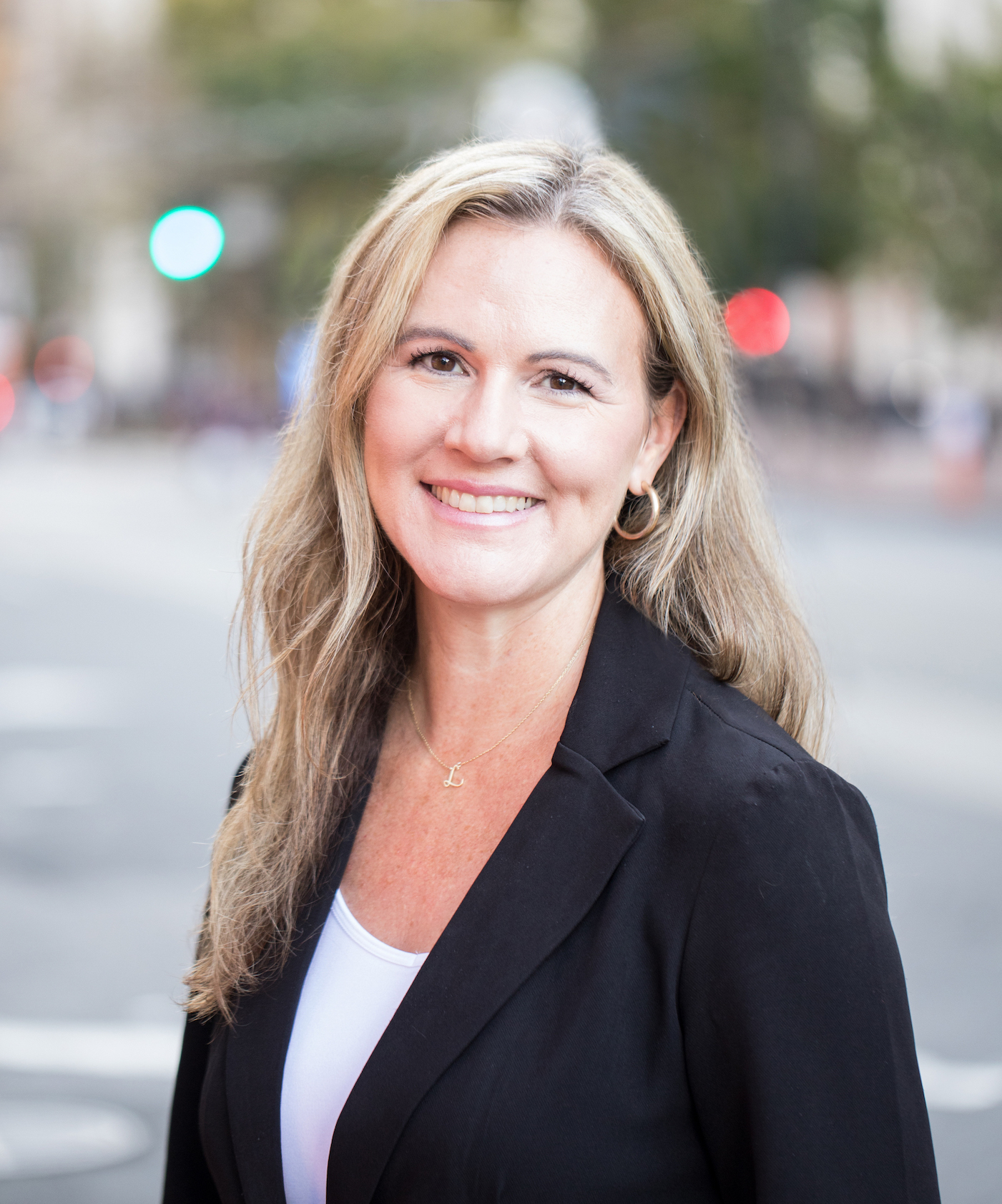
Lori Adams-Brown, Host & Executive Producer
A World of Difference Podcast
0:00 You welcome to the A World of Difference podcast. I'm Lori Adams Brown, and this is a podcast for those who are different and want to make a difference. Today on the show, we have someone coming to us straight from Israel. Her name is Lemore Bergman Gross. And for over 20 years, she worked as an engineer, manager and director of engineering and Tech IT. Now. She spent the past five years to dedicate her life to mentoring women in tech. And she has a strong passion around helping women to get to the C suite. She has a lot of tools and strategies and tips for people based on her experience of working in tech and working up the career ladder, as well as being a mom during that time.
0:48 And so we're going to talk today about what it was like to work in tech and how she can help women to rise in their careers if that's what they desire to do. She has a lot of great information and work around just career development, specifically as it relates to the tech world. But a lot of her strategies are helpful in all types of careers. And also, it's a really helpful conversation to have with someone like this because I know there are many male allies that listen to this podcast. So if you're a manager or you work in a faith based space or you work in a nonprofit, you're going to get something out of this podcast today. So, yeah, happy to introduce you if you've not yet heard of her. So welcome to the show Today, Lemore Bergman Griff hello, Leymore. And thanks for coming onto the show today all the way from Israel. How are you doing today, Leymore hi, Lori.
1:49 Thank you so much for having me. I'm doing great. It's a wonderful evening here. Yes, well, it's an early morning for me, and I'm glad that we got our time zones to connect and we could make this time work and really excited to get to know you a little bit better and allow you to bring your differences to the table today to make a difference in our lives. Those of us listening love to learn, and we love bringing on thought leaders, subject matter experts, and people who bring their differences to the table to help us grow. And so today, I'd love for you just to start off with the introduction of who is Lemore Bergman growth and how would you describe yourself to our audience? So I'll give you kind of a mission statement, I think, that will describe me the most. I'm on a mission to bring more women to the C suite in tech. I do that by mentoring, coaching, and supporting women in different roles. And I bring all my experience, all my years of experience in tech. I mean, I was an engineer, a software engineer, and grew into leadership roles both here in Israel and in the US. So that's kind of what I do.
3:04 I'm trying to make my own difference in the world. Absolutely. That's why you're on the show today. And I love that. And we definitely need more female representation. And there are so many factors that are out of women's control. But the things we can control are what we also want to talk about today, as well as maybe give some tips to our male allies that want to be a part of helping make a difference, too. And so as we dig into this a little bit, tell us a little bit about your career journey. You worked in tech, you've lived in the US for a period of time. You were in the Denver area. You were also in Plano, in Texas for a while, and now you're back in Israel. Tell us a little bit about your career and why you came to this mission statement. Sure. So started my career as a software engineer, so I went into computer science in university because I thought that would make sense given my STem background and started my career in Israel. At some point, realized I wanted to become a manager. I have four children, and back then, when I wanted to become a manager, I was actually pregnant with my second child and nominated myself to a manager position and basically got my first manager position when I got back from maternity leave of my second son. So my big changes in my career actually happened related to new kids. So my first engineering
4:37 management position was after I had a second child, and our move to the US was after I delivered my twins. So I have four kids. The young ones are twins, and when they're babies, we move the entire family, all the six of us, to the US, to Denver, Colorado in the winter of 2010. It was kind of driven by my husband. His employer really wanted him to move. And we realized that it's an opportunity to do something else. I mean, I don't know if I was crazy or what, but I decided that it's an opportunity and I had to figure out if I want to take it or not. And I decided to take this opportunity despite all the difficulties and the unknowns. So moving to the US had to reinvent myself, basically. I mean, I continued my career, but it wasn't so easy because I was on a visa that employers, many employers, didn't know what to do with it, and obviously what was a new country for me.
5:43 And, yeah, and I continue on that journey in the US, and we moved also in Denver, and we moved to Texas. And along the way, I found out several things. I found out that I'm driven by supporting other managers. So I started mentoring as a volunteer at the beginning of 2017. I loved it. I loved it. I got a lot of positive feedback that also with my growing passion to having more women, I mean, as I grew in my leadership roles, I saw fewer and fewer women there and fewer role models. A lot of times I didn't have any role models to look up to. Maybe someone from HR, but like no executive female at realized, I really want to change that. And when we decided to move back to Israel, I decided that was my opportunity because we made a huge change.
6:41 As it is, we moved back. I had to leave my job. I said, okay, that's my sign, that's my cue that I have to make this change. Love your story. I know are going to resonate with our audience because we have a lot of people who've moved abroad and moved multiple times to multiple countries for various reasons, for being expats, for just immigration, and also because of unrest in certain places where that was a forced situation as well. And I have twins, by the wAy, and I also moved. My twins were born in 2007, and we moved in 2009 from Indonesia to Singapore for a career move as well. And so I can somewhat relate to, and they're my youngest, too.
7:29 So it is challenging. When I think about women getting to the C suite. I know that you've probably faced this, too. There's so much performance, so much, so many stereotypes. I don't know if you face that in the US or what your perspective was. And then also how that looks in Israel, which is know every culture and how cultures perceive women is really unique to that culture. And then at the same time, anywhere where there's sort of this patriarchy, there's some similarities. So do you feel like you were facing any sort of performance bias for yourself or that you saw other women facing, especially around the time of having. Absolutely. And I think that I saw that both in Israel and the US. And obviously it's a huge generalization. It depends on the company, it depends on the manager and the leaders.
8:35 I mean, it varies, right? I cannot just generalize a country, but yes, I've seen that. Actually, when I was pregnant with my second child, I was miserable at on. Even before that, I was put on something that I really didn't want to do. I traveled quite a bit when I had my first. She was a baby, and I traveled from Israel to California one month and to Japan one month to do something I hated and I wasn't even good at. I was just used as a pond in someone else's toolbox, and I didn't feel like I had the support I needed. By the way, women not always support other women, unfortunately. So the manager above my manager was a woman, and I didn't feel she supported me as well. I don't hold grudges and all that, and I'm not victimizing, but I'm just saying, yes, there are biases to make a difference. We need to rise above those biases and see where we can make an impact and what kind of choices we have.
9:44 So in my example back then, I had a choice. I could stay or I could leave, but I wanted to have another child. That was one of the conflicts that I had. Like have a child, not have a child. Right. You mentioned about being a mom. That's one of the challenges that we face as women, that when we want to expand the families, then we have to weigh in also the career progression, and how is that going to impact our careers? Unfortunately, it shouldn't be that way, but it is. I chose expanding my family. The interesting thing is that as I was pregnant, this opportunity for engineering manager came up, and eventually I actually benefited from it, but I didn't know that that way.
10:32 So I guess that there are biases, but we have a lot of power to overcome them. Thank you for sharing that part of your story. I know that many people listening, whether they are women and they've considered having children, already have, or they're a man married to a woman who's also wanted to expand their family and have watched their wife have to go through some of these complicated decisions. It can be really challenging. Or even some people listening might be managers, and they're also trying to figure out how to not have any sort of performance bias against the women that maybe directly report to them. So all of these things that we're talking about are super helpful. When you think about getting women to the C suite, what is your perspective on some of the biggest obstacles to overcome? So there are obstacles that are internal to those women, and there are obstacles that are external. The internal ones are just having a sense of a, this is feasible for me. I can see myself sitting at that table. I'm confident in my ability. I'm worth it. I deserve it. I have a seat at that table. My voice matters. I have a unique voice. I'm different, but it's a good thing. So those are all the internal things that women. A lot of times, I mean, I had that too, right? We understand that
12:04 we are different. We don't see role models, we don't see anyone else. And then we start kind of doubting ourselves whether we actually belong there, whether we are capable and so forth. The external thing Is the biases, right? Those that are sitting there already, whether they see us as worthy, whether they see us as someone that can provide value, although we are different, although we bring something else, because we are different, because we are not part of the boys Club, because we are unique. And a lot of times, and again, I'm not saying anything that they are doing it from bad intentions, but a lot of times. And this is why I am a huge proponent of diversity, related not just to gender. When everyone is alike and everyone think the same, there is a basic hesitation to bring anyone that is different. I had it, I'll give an example like I had in one of the companies, people that brought, you know how it is, refer a friend program. It's a great thing. But what happened was that there were a lot of referrals of people who worked at the same team. And then what it created like an internal club, closed club, of those people who came from the same company. So this is kind of the problem that it's like
13:34 a closed circle. Yeah, I've seen that happen in more than one situation. It is the truth that most people get hired in a situation where they know someone. That's just statistically true. And there's a lot of reasons for that. On the recruiting side, it is a risk every time a recruiter brings someone new into a company that doesn't know someone there, because people can present themselves very well on paper. They may even have good references. Their LinkedIn may look incredible and they may say all these things, but then, every now and then you get someone that it wasn't a good fit and you couldn't tell because they didn't know someone. And so there is that side. I know that people on the recruiting side, and I've been on that side in these interviews before, it always helps to know you can trust this person when somebody inside says, I know them.
14:29 However, the downside is that you get a group think with people who are so similar, and groupthink really inhibits innovation. And in tech that's huge. We have to have the ability to innovate. That's exactly how these companies grow. Another question related to this. You have worked in tech for so long, and we've recently had here in Silicon Valley, quite a few tech layoffs because of what's been going on in the last year or so. And so there's a lot of people looking for new roles. And today, speaking of LinkedIn, there really is a piece of it that knowing how to present yourself on LinkedIn can be quite hard. And I think specifically, men and women are often socialized really differently around this. Self promotion is really so much more fraught for women in a lot of cases where it decreases likability factor for them if they look ambitious or present themselves. And yet there are ways to do it that can maybe minimize some of that. And you mentioned that you also offered yourself up for a manager position. So what advice would you give to women and men who are trying to promote themselves for a new role and how to do that in a way that's going to make it a little easier on the likability for women, if there is such a thing? Yeah. So first of all, when you are on the look for a new
15:59 role, you have to get into the head of the recruiter, the hiring manager. What are they looking for? First of all, so do your research. I always recommend people I work with on LinkedIn. Like for example, do your research. Look at different job descriptions, see what kind of qualities they are looking for. We tend to think inwards about ourselves. What do I want? What have I done? No, first of all, start with the opposite. Think, what do they want? What are they looking for? What do they value? Then ask yourself, where do I fit in? What kind of skills and qualities I have that are super valuable for what they're looking for. And highlight those.
16:44 Make sure that you speak in the language that they want to hear, that basically you address what they are looking for. You solve their problems. That's the biggest tip I have. And overall, like LinkedIn branding, that's a marathon. That's not like one thing that you do when you look for a job. It something I started doing when I moved to the US. I had a LinkedIn profile, like a bare minimum, and I started nurturing that. And I do that still. Now it's more focused on my business. But that was a long haul that I continued investing in, and it bear fruits. I got all the time inbound request from recruiters and hiring managers. And even if you think that now is the worst time, a lot of people lost their job.
17:36 Still, some companies are still hiring. They're looking for some people in some skill set. So there is always a need, there is always an opportunity. Think that the mindset of basically that there is always abundance, there is always something out there for everyone is very important. Otherwise you sink into negativity and there's nothing for me, and that's not helpful. Yeah, it's so true. And there is so much psychology around being laid off or fired from a job for people who've walked through that, that are listening, you know what I'm talking about. But it's a grief process. People walk through a lot of shock, especially when it was so unexpected. And then often the goodbyes can be complicated because sometimes the need to get out of the office quickly happens. So picking oneself up from that shock and grief experience and the psychology around all of that, while having to be somebody who's promoting themselves to want to get hired somewhere else, it can be a very difficult mental health journey for a lot of people.
18:51 Do you have any advice for people as they walk through that and how? Were there any things that have been helpful that you have seen along the way? Yeah, it's very difficult. It's not easy. First of all, griefing is okay, right? I mean, it's not easy. It's a crisis. A lot of times it's the biggest cris people face in their lifetime. Right. Losing a job. First of all, surround yourself with supportive. With supportive people, friends, family, anyone that is supportive. Stay away from people that maybe bring negativity. Because sometimes it can be that your best friends or the people that you hang out with the most, well, they may not be the best people to hang around when you are down, because some people are just sarcastic, maybe they bring this negative mindset. So just be aware of that. The second thing is that volunteering can help you, although it sounds kind of weird, but that can help you actually build your confidence. So think about, okay, I gained a lot of skills. Who can I help? Like, for example, when I started mentoring, you cannot believe the amount of confidence I got out of it. Just giving back to someone, sharing my expertise, getting the feedback, went long ways to my confidence.
20:15 So think about mentoring. Think about, okay, with all the knowledge that I gained and who can I help? If you help someone else, it boosts your confidence. You're doing something. You're actually identifying your skills. It helps you kind of sharpen what kind of skills I have, and maybe those people eventually can connect it to some other people. Something good will come out of that. Yeah, I love that perspective. We can't control the curveballs that life gives us, but we can control how we respond. Right. And sticking to what we know, being able to be moldable and surrounding ourselves with good, supportive people, I think that's really good advice. And considering so many companies, you said, like you said, some have laid people off, but some are hiring right now. And so a lot of people are having this experience over the last few years, especially a lot of remote employees. And I know that especially for women we see over and over again. McKinsey and company just last month released their state of women in the workforce research that they do every year. And one of the things that continually comes up, particularly for women in the workforce, is how important the ability to work remotely or hybrid is for women in particular, because of all the reasons where women often are doing the second shift of the unpaid labor at home, either
21:47 exclusively or the majority of iT. And so that's why remote work allows them to stay in the workforce in ways that they otherwise would not be able to. But companies onboarding new remote employees, that can be challenging. So what advice do you have for companies that are doing the onboarding process mostly remotely right now? Yeah. So I worked remote since 2016, way before the pandemic. I think that it starts with a mindset. When you work with remote people, you have to be investing more time in processes like structure, more structure, and in being deliberate about building relationships and trust. So first of all, have a well defined onboarding process, company wide, and then department wide, and then team wide. Well defined, well documented. I'm not a process kind of fanatic. I'm not a process oriented person. But when I worked remote, I really made a huge effort in defining onboarding and made a list of, okay, someone starting, who is their buddy, who is kind of accompanying them, who do they need to meet in their first week? Who do they need to meet in their second week?
23:10 Even I set up meetings for those people. I thought that needed that extra kind of help facilitating that define 30, 60, 90 day plan and what success. So be deliberate about setting even more than when you work in an office. Because when you work in an office, you have more than informal interactions. You have to invest more time in setting the expectations, in building the onboarding process and then checking in with people deliberately. Again, you don't have the opportunity to see them in the coffee break or getting to lunch. So you have to be deliberate about it, checking in, maybe reaching out in slack, maybe setting up some time. I was fanatic with one on ones, and believe me, when you manage engineers, they don't like meetings, even more so than managers.
24:03 Right? And I said, why do I need to meet with you? And I said, well, you need to meet with me because I want to see how you're doing. Even if we just spend five minutes, you tell me everything is fine, and then we say bye until next week, that's fine. That kind of force, that kind of thing. Because sometimes things come up and if you don't have that meeting, I will not be aware of that. I don't know what someone is going through if I don't see them, if I don't see their face, if I don't see like maybe they're going through something in life. I have no ability to see that when they are not next to me. Yeah, so good. Really helpful. Because I think the onboarding experience, we have all this research to show, like how you start people off, it really sets the tone for how they're going to feel about the company going forward. And you really get one chance to do that well, and it's not easy, it's very time consuming. But I think that hitting the highlights, like you mentioned, are really important. And having those open communications too remote teams, like you mentioned, you have to work a lot on building relationships and building trust. Any tips around that for people who may be know, we have global workforce know? So you might have somebody living here in California and they know interactions with a remote team in China or Taiwan. And so they're not only opposite time zones, but also cultural communication is so different. One might
25:34 be more of a direct communicator, one might be more of a high context communication. There's so many nuances there. Any tips on how to build relationships and trust with these remote global teams? Absolutely. So obviously, it's much, much more challenging when you work with people from a totally different culture. You have to first of all, understand that they are different. So you need to start getting to know them, understanding their motivations, understanding how they like to work, how they like to communicate. What do they need from you? And in order to know that, you need to ask. There is no way you can guess asking what are they expecting from you? What do they need from you as their manager? What is important to them, what are their goals? What kind of environment do they need to succeed? So just asking. I mean, sometimes people are, especially in cultures that are not very open. They may not elaborate if you will not ask. So you need to be a great at asking questions and be curious instead of making assumptions.
26:47 Adopt curiosity over judgment and assumptions, because we judge people when we look from our own lenses and someone that may operate on a completely different operating system, right? I mean, they have their own values and the way they operate is totally different. And then we make assumptions and we judge them. So be curious. Really good. I love that the curiosity is what leads to knowledge. And if we don't have that curiosity, then we don't know. And knowing people and knowing them deeply and knowing them well is a way to build trust and doing what we say we're going to do and doing our best with each other. And I do really appreciate that perspective because it is so true. I've found it to be true again and again.
27:33 Communication is really key there. Some people struggle, especially remotely when it comes to sort of delegating. And as leaders and managers and organizations where there's a lot on our plate, sometimes you feel like there's much more than you can accomplish in a given week because some of these companies that some of us work for just move fast and there's a lot expected of us. And yet delegation can be a really big challenge for a lot of managers and leaders. Do you have any tips about that for people? Yeah, absolutely. So it's an acquired skill. First of all, I think that you need to ask yourself, what are the things that I do that makes the most impact? So looking at all the things that you do, first of all, and assessing impact, the things that you do that maybe are not making the most impact, thinking, okay, who is maybe a better fit to do them? Maybe it's someone from your team, maybe someone else. I don't know. The other way to look about it is if I delegate something to someone. Maybe that's not like, for example, when engineers grow to be managers, it's very difficult for them to let go of technical stuff that they used to do, maybe taking architecture decisions, making. But then you need to ask yourself, is it the best use of our time? Because maybe I'm a great technical engineer, but now I'm a manager, so I have other things to worry about. And
29:03 maybe I'm most effective in nurturing my teams, helping them grow, building relationship with product, I don't know, whatever the case may be. And then if I delegate those technical stuff to someone in my team, that's another way to help them grow. So it's not just that I free up my time to think that I can make a greater impact, but also I free up my time to help someone else progress in their careers. It's a great perspective. Yeah. When we can let things go a little bit, it is a way to develop leaders, and that's hard. I think you and I are both parents, and it's something that parents have to walk through. So I always feel sad when I see organizations that are so biased against moms or a lot of this narrative that says moms are lazy or not capable at work. And I just think, why wouldn't you want to hire moms? Most moms I know are great project managers at home. They're having to learn to delegate, to raise little humans into adults and help them leave the nest one day. I mean, this is a years long process that moms are having to make sure the catering is done at home, whether they're cooking it or outsourcing it, making sure supplies are always stocked in the warehouse, aka the cabinets and the pantry. Right. We have a lot of skills that we bring, but it does require delegation as a parent. And so we see that in managers too. It can be hard to. You don't think as a parent your kid is quite ready sometimes, but you test it out a
30:33 little bit. Right? And the same with managers. Maybe you're not sure if somebody that directly reports to you feels 100% ready for that task, but you walk alongside, you do this model assist, watch and leave kind of process that a lot of us use. Right? Yeah. And sometimes people just have to restructure things too. I'm thinking right now, you're talking about being an engineer, and the company I work in, we have a lot of engineers as well. And my oldest son is studying to be an engineer and so familiar with that sort of way of thinking and that way of working. I think in a lot of engineering situations, not exclusively by any means, but you tend to get a lot more sort of introverts in a role like that.
31:20 And so if you have somebody who's a little more introverted, and then they're needing to grow into a manager role or even learn to network, do you have any tips for people that are on the introverted side that are having to sort of build these relationship skills? I know, it's so difficult. I'm an introvert myself. I think that the best way would be to see what areas you're passionate about and how can you help others. That's a great first step, right? To build kind of to network, help other people speak on an area that you're passionate about. Even the most introverted persons, and I've managed very introverted engineers, when you find something that they are very passionate about, they can talk all day long about it. So find those areas where you're passionate, where you're interested, and find opportunities to share that knowledge, and it can be with just one individuals maybe in some group setup, maybe eventually, maybe at a conference.
32:25 Conferences are great ways to get out of your comfort zone. And I'll tell you, it was very difficult for me to go to conferences and network and all that. It was not easy, but I kind of deliberately decided to go there, despite my nature, to avoid those situations. So follow just the things that you feel like you are more easy to talk about. And also finding opportunities to collaborate with people. Like for example, hackathons are great ways to kind of get to know people, open source projects. So find those opportunities to meet people on areas that you feel super comfortable, super passionate about. That will make it just easier than just network with someone because we tend to think of networking.
33:15 Oh, I just go and talk with someone about their life, right? Or talk about, I don't know what to talk about. So talk about things that you feel comfortable talking about. Be a geek and just talk about the techie stuff. Love that advice. That's really great advice. Yeah. I think that for most introverts that I know, chitchat can be really uncomfortable, but that is really good advice. Just geek out on what you know and talk about what you know, and somebody out there is going to love it too. And that's part of networking, which is really great. I want to talk about this a little bit. One of the challenges I hear about every now and then in the global leadership and development work I do here is sometimes people who are managers, they have a direct report and they're seeing some performance issues, and maybe they don't even know why. It's just that there's deadlines that are being missed or there's work that's not being done up to the expectation. Various types of performance issues that may be unknown as to what the reasons are with their team.
34:26 What strategies do you recommend when somebody faces that on their team that they need to have a difficult conversation with? Yeah, and this is extremely difficult for all managers, especially new managers. Always difficult to have those uncomfortable conversations. My first advice would be sticking with facts, trying to be less emotional about it and less opinionated. So try to avoid sentences that start with I think, I feel. Replace them with I observed, I saw. So use data, use observation. Use things that are neutral. Right? I mean, it's not an opinion, it's not a feeling, it's data.
35:18 Then be curious. As I said, curiosity is number one. You start with sharing observations. I observe that every time you estimate something, it takes you twice as much. I'm just making something up. Right. I observe that when you submit a PR there are always a lot of comments from your peers. I observe that you get, I don't know, whatever amount of bugs on code that you submit or you get more whatever observations. Then give the space to respond. But be curious about listen.
36:02 Practice active listening, not hearing. Active listening. Be curious to say, okay, I've said what I wanted to say. Now I'm going to fully listen to you and I want to hear what you have to say. What are your thoughts about it? What is your take? Hear them out. Sometimes they may not agree with you, but you have to be at least open minded to hearing out what they have to say and then make sure that expectations are clear. A lot of times the child start with having different expectations or understanding of what is the role of what is expected from them and have those conversations about expectations from that role, from that individual. Maybe there's something not aligned there and agree on what's next. Ask them, what do you think?
37:01 What do you propose? It's their responsibility as well. It's not just yours. As a manager, if they are not performing, they need to come up with solutions. They need to propose. What do you need for me? I mean, you're there to support them. What do you need for me? What is missing? But also what do you propose doing? Very good. Yeah, I love that. I think that good leadership at foundational level is the kind where listening to understand is right. And I do a lot of training on this and have recently done a couple of different leadership summits, both in our UK office as well as our office near Memphis. And every time I'm doing these listening to understand workshops with people, it's so impactful because good listening skills, where you're listening for facts and feelings and values, is a really deeper kind of listening than just hearing.
38:00 Right? Especially in our distracted world of fast paced but deep listening is something we have to work on. And as leaders and managers in particular, because of the power dynamic that exists there, that if we're not listening, we have blind spots. Blind spots are dangerous. We could run over people. And one of the things I really appreciate in the work that I do, I partner with the center for Creative Leadership and am using their curriculum in the company where I work to help us train on their research based methods. But one of their models for feedback in these situations or any situation is to do what they call SBI. It's a lot of what you just. Said, situation. Behavior, impact. And then you pause and ask for the intent, like you said, and you stay really curious. You say, this is the situation. You're not using feelings, you're just using the data, what you observe, right. And then their behavior and then how that impacted you, and then you pause and you ask for their intent. And it's been really great to see how people using that, myself included. It's really a great way to have that difficult conversation, which we have to have a lot as managers and leaders. So love what you had to say and very consistent with what I found to be helpful as well. I'd love to hear if you have any sort of story that is impactful from your career that made you who you are as a leader. Was there any particular person
39:31 that influenced you? Was there any particular situation that kind of gave you the values that you have to want to invest in others and make a difference? Any story that kind of formed you to make you kind of the leader that you are? I don't know if I can point to one story. I think it was a journey, but I remember that the managers that inspired me even when I started out, and I couldn't even see myself there, I was so much at the beginning. I saw those managers and said, I want to become this. So a lot of times, just identifying someone and say, I want to be like that. And what I appreciated, and those are my core values, I appreciated people who were humble, who were compassionate and empathetic, who wanted to help me grow, always listened, and always kind of treated people with respect and every person differently. I had a manager that we had a team, a global team. I was still relatively at the beginning of my career. And that manager, I was totally inspired and amazed how he was able to conduct a meeting with people from so many different countries and be able to motivate everyone and kind of gather everyone together. And I remember that I thought, I want to become like him.
41:05 It took me some years to eventually get there, but I think that having someone who inspire you, that you can see yourself role models are really important. That's why. One of the reasons why I think that women have problems getting up to the exact roles they don't see women role models. So you really need to relate to a role model to see, this is what I want to be again, it's not a copy, it's not a clone, but someone to aspire to become. Like. So true. It's been true in my career, in life as well. I did work in an organization that had no women in the executive level or even the senior management level for a long time. And it does impact you because you need to see your person, at least one, obviously more than one, is helpful. But so many women are really the ones breaking the glass ceiling, blazing the trail. And we need male allies to come along and support us and be aware that we haven't had the wind at our back. And it does affect us and it does affect the bias we all have, ourselves included. Sometimes, like you said, it's women also making it harder on other women. It's not just men, right? All of us have the ability to open doors for people, make things easier or make it harder. So thank you for your insights today. I really appreciate your perspective. We are going to let you hang out with our Patreon supporters, and I'm going to ask you another question related to just living in Israel during a time when the world is watching everything
42:35 happening there. I just want to get your perspective on that as somebody who's from there and living there and just want to hear your thoughts about the situation. So we'll let you do that with our Patreon supporters. But for now, thank you for being on the podcast today. Thank you for sharing your perspective and your insights, for making a difference in the ways that you are. And I do hope that your work produces the fruit you're looking for, where women are getting to the C suite to be those kind of leaders that you're dreaming of and inspiring them to. Thanks for being on today. Lee Moore, thank you so much for having me. It's been a true pleasure speaking with you today. You too. I hope you enjoyed that conversation as much as I did. I learned so much from Leymore, and she hangs around and talks to us in our Patreon group called difference Makers. So if you've not yet joined that community, this would be the day to do so because I ask her about what it's like to be living in Israel during the midst of all this conflict that's going on. And she gives us her perspective on what that's like and gives a very strong appeal for her own perspective on how we can be helpful. So I know many of you are trying to figure out ways you can be helpful in this situation.
43:42 And just hearing her perspective was really great. And just also, it's always good to think through if that's something that's triggering for you in any way. So trigger warning if you've been in part of a conflict zone or currently are in one, because some of the things she talks about might be a little bit triggering. But do stop by on the difference maker Community@patreon.com. A world of difference to check it out. And as always, this podcast episode is sponsored by BetterHelp.com difference. And I have very much benefited from working with a therapist there and all the different tools of how to get ourselves through traumatic situations. Speaking of trauma, but if you've been in a traumatic workplace or you've had relationships that have been traumatic for you, or you are walking through anything right now that you just feel like you need some professional help, I really encourage you to go to WW dot betterhelp.com difference and get 10% off your first month. It's once again been so helpful for me and so I recommend it to you. So yeah, check them out and you can also find classes and different places to go and to be into groups of people if that's going to be helpful for you. But also just one on one therapy and if you decide you want to switch, they make it really easy. Yeah, go to www.betterhelp.com difference today to get 10% off your first month. And as always, wherever you are around the world, stay safe. Especially if you're listening
45:14 in from the conflict going on in the Middle east right now. I know it's very difficult, all of you that are doing great work there and risking your lives to help others. And it's a situation we're all paying attention to and just grieved and heartbroken and hoping that peace can come soon in that area for everyone's sake and that people can live and flourish in that area simultaneously, side by side with all different diversity of thought and cultures and languages and faith expressions. So yeah, we are sending you so much love. If you're there and wherever you are in the world, I know many of you are doing incredible things to make a difference. So let us know how this episode resonated with you. If you work in Silicon Valley, in tech, if you live in anywhere in the world, if you're in Singapore listening to this and work in tech or in any kind of corporate space and you want to reach out to Lee Moore for more tips, you can find her on LinkedIn and a few other spaces and I'm going to link all her information in the show notes so you can make sure and find her anyway.
46:18 Wherever you are in world, keep making a
