

 Apple Podcasts

 Spotify

 Castro

 RSS Feed

 Audible

 YouTube

 Podchaser

 Goodpods

 Castbox
Making Money While Making a Difference: An Expert's Blueprint with Bessi Graham
Hey, have you ever felt like you're trying to do the right thing in your business, but it just feels like too much? Like you want to merge profit with purpose, but it seems overwhelming. You're not alone. Many leaders struggle with this, and it can lead to burnout and exhaustion. Let's tackle this together and find a way to align your values with your business practices without feeling overwhelmed.
My special guest is Bessi Graham
Today, we are honored to have Bessi Graham as our guest on the show, joining us from Melbourne, Australia. Bessi is a highly respected entrepreneur with over two decades of experience working closely with business owners, government entities, and major funding bodies. Her extensive involvement ranges from grassroots initiatives with business owners in the Pacific Islands to impactful contributions at the United Nations headquarters in Geneva. Bessi's unparalleled perspective and deep understanding of merging profit and purpose have made her a sought-after authority in the realm of ethical and sustainable business practices. Her commitment to guiding individuals in aligning their values with their business endeavors has led to the creation of impactful legacies. With her wealth of experience in ethical and purpose-driven enterprises, Bessi brings invaluable insights to our discussion today.
I think regardless of where your leadership position is in the organization, it's starting with those pieces of where do I have decision making control, or at least some influence, and then how do I shape things from there towards this idea of business where we're unapologetically pursuing both? - Bessi GrahamIn this episode, you will be able to:
- Discover how to merge profit and purpose for a more sustainable business model.
- Explore the importance of authentic leadership values in driving organizational success.
- Learn the benefits of embracing diversity in decision-making processes for better business outcomes.
- Humanize your leadership style to create a more inclusive and empowering workplace environment.
- Find out how to effectively balance profit with social impact for a meaningful and successful business.
Diversity in decision-making
Diversity fuels creativity, fosters a broader perspective, and aids in making more informed decisions. Bessi advocates for diverse perspectives in decision-making processes and leadership roles, believing it leads to a more inclusive and effective work environment. She stresses the value of stepping out of one's comfort zone to gain a deeper understanding of various contexts, making decision-making a shared and holistic process.
The resources mentioned in this episode are:
- Visit Bessi Graham's website at Bessigraham.com to learn more about her work and access valuable resources.
- Download a free resource from Bessi Graham's website that includes five essential questions for decisive leaders to gain clarity on important decisions.
- Join the Patreon community at www.patreon.com/aWorldofDifference to access an exclusive interview with Bessi Graham, where she delves deeper into self-leadership and resilience for leaders.
You need to apprentice with the problem. Don't just assume you understand something. Don't think that good intentions are good enough. - Bessi Graham
Authentic leadership values
Leadership, as per Bessi, should echo authentic values. It is important that leaders' actions align with their stated values to build trust, credibility, and influence. Moreover, these values should inform decision-making processes ensuring organisational integrity and fostering a culture of honesty and transparency.
The key moments in this episode are:
00:00:02 - Bridging Profit and Purpose
00:06:49 - Impact of Living Abroad
00:10:14 - Humanizing Leadership
00:14:06 - Influence of Values
00:15:14 - Meaningful Values
00:16:04 - The Importance of Core Values
00:17:10 - Aligning Values with Action
00:18:11 - Core Values in Organizations
00:19:03 - Decision Cascade and Clarity
00:25:00 - Bridging Systemic and Grassroots Perspectives
00:31:08 - Apprenticing with the Problem
00:36:17 - Balancing Purpose and Profit
00:39:57 - Shaping Decision-Making
00:42:19 - Purpose and Opportunity
00:43:44 - Connecting with Bessie
00:45:55 - Learning from Experience
00:46:32 - Resilience and Self-Leadership
00:47:07 - Taking a Break without Compromising Impact
00:47:45 - Embracing Individuality
We need to hold these two. This goes back to your both and mindset. Right. So as a leader, being able to hold two things that seem contradictory and say they're equally true. - Bessi Graham
Merge profit and purpose
Bessi Graham emphasizes that profitability and purpose are not mutually exclusive. One can create a business model that aligns with personal values, promotes social impact, and ensures financial success. The trick lies in understanding customer value, and in finding ways to create and capture said value while benefiting society.
Timestamped summary of this episode:
00:00:02 - Bridging Profit and Purpose
Bessie discusses the importance of merging money and meaning in business. She emphasizes the need for leaders to uncover their unconscious beliefs about the purpose of business and how it impacts decision-making.
00:06:49 - Impact of Living Abroad
Bessie shares how her experiences living in different countries shaped her perspective as a leader. She highlights the value of diverse perspectives and the importance of intentionally seeking out different viewpoints in leadership.
00:10:14 - Humanizing Leadership
Bessie delves into the concept of humanizing leadership and the need to treat employees as more than just cogs in a wheel. She emphasizes the importance of integrating purpose into business decisions and creating a more holistic approach to leadership.
00:14:06 - Influence of Values
Bessie discusses the influence of values on decision-making as a leader. She emphasizes the need for leaders to understand and articulate their values, and how values drive behavior in business settings.
00:15:14 - Meaningful Values
Bessie explores the deeper meaning of values in business and challenges the superficial approach often taken. She emphasizes the importance of values as a guiding force in decision-making and living authentically as a leader.
00:16:04 - The Importance of Core Values
Bessi discusses the significance of identifying and living by core values. She emphasizes intentionally cultivating conditions that allow individuals to live in alignment with their values, leading to better decision-making and natural best performance.
00:17:10 - Aligning Values with Action
Bessi emphasizes the need for values to inform decision-making and actions. She highlights the importance of having values as filters for decision-making, particularly in fast-paced environments, to maintain integrity and alignment.
00:18:11 - Core Values in Organizations
Bessi stresses the need for clarity in company core values, cautioning against superficial or simplistic lists. She emphasizes the importance of aligning values with behavior and action, not just as aspirational values, to build trust and integrity within the organization.
00:19:03 - Decision Cascade and Clarity
Bessi introduces the concept of the decision cascade as a tool for unlocking clarity and decisiveness, particularly around values. She explains how breaking down decisions into primary, secondary, and tertiary levels can lead to smoother decision-making and prevent costly missteps.
00:25:00 - Bridging Systemic and Grassroots Perspectives
Bessi shares her experiences working at both grassroots and systemic levels, emphasizing the importance of understanding broader systems while still being connected to the ground reality. She highlights the value of expanding perspectives to bridge different worlds and drive innovation in leadership.
00:31:08 - Apprenticing with the Problem
Bessie shares Pamela Hardigan's advice to "apprentice with the problem," emphasizing curiosity, asking questions, and having conversations rather than assuming we know best. She also highlights the importance of holding seemingly contradictory ideas in our minds and working towards a balance.
00:36:17 - Balancing Purpose and Profit
Bessie discusses how many leaders feel overwhelmed by the idea of adding purpose to their business, seeing it as a distraction or expense. She challenges this perspective, encouraging leaders to merge money and meaning by pursuing competitive advantages that add value and relieve pressure.
00:39:57 - Shaping Decision-Making
Bessie emphasizes the importance of shaping decisions and influencing outcomes, even for middle managers. She encourages leaders to create psychologically safe spaces for their teams, shape how directives are shared, and cultivate a culture of unapologetically pursuing both purpose and profit.
00:42:19 - Purpose and Opportunity
Bessie speaks about the belief that money and meaning can be merged, leading to a self-reinforcing loop of delivering and capturing value. She encourages leaders to shift their perspective, innovate in their business models, and create win-win situations that relieve pressure and stress.
00:43:44 - Connecting with Bessie
Lori thanks Bessie for sharing her unique perspective and encourages listeners to visit Bessie's website for more resources and insights. Bessie offers a free download of five essential questions
00:45:55 - Learning from Experience
Lori discusses the value of sharing knowledge and learning from others, highlighting Bessi Graham's extensive experience working at the UN headquarters and in diverse locations like the Pacific islands and Melbourne, Australia.
00:46:32 - Resilience and Self-Leadership
The conversation delves into the importance of resilience and self-leadership, offering insights on how to navigate difficult circumstances and make congruent decisions to alleviate burnout.
00:47:07 - Taking a Break without Compromising Impact
Lori emphasizes the significance of taking breaks and self-care while continuing to make a difference in the world, encouraging listeners to stay true to themselves and bring their unique contributions to the table.
00:47:45 - Embracing Individuality
The episode concludes with a reminder to embrace individuality and show up authentically, highlighting the importance of being true to oneself and making a difference in the world. Lori urges listeners to take care of themselves and continue making an impact.
- https://www.aworldofdifferencepodcast.com
- https://www.linkedin.com/company/aworldofdifference/
- https://www.twitter.com/@awodpod
- https://www.youtube.com/@aworldofdifference
- https://www.facebook.com/A-World-of-Difference-613933132591673/
- https://www.instagram.com/aworldof.difference/
Learn more about your ad choices. Visit megaphone.fm/adchoices
Follow the podcast at:
- https://www.youtube.com/@aworldofdifference
- https://www.aworldofdifferencepodcast.com
- https://www.linkedin.com/company/aworldofdifference/
- https://www.instagram.com/aworldof.difference/
Join our Difference Maker membership community for a ton of exclusive content for as little as $5/month. (The price of your a latte at your local coffee shop to enjoy a whole month of content.) Lori's Travel Tips are included as well as exclusive minisodes with our guests not available anywhere else. Join for deeper conversations and a little fun today at https://www.patreon.com/aworldofdifference
Keep making a difference wherever you are!
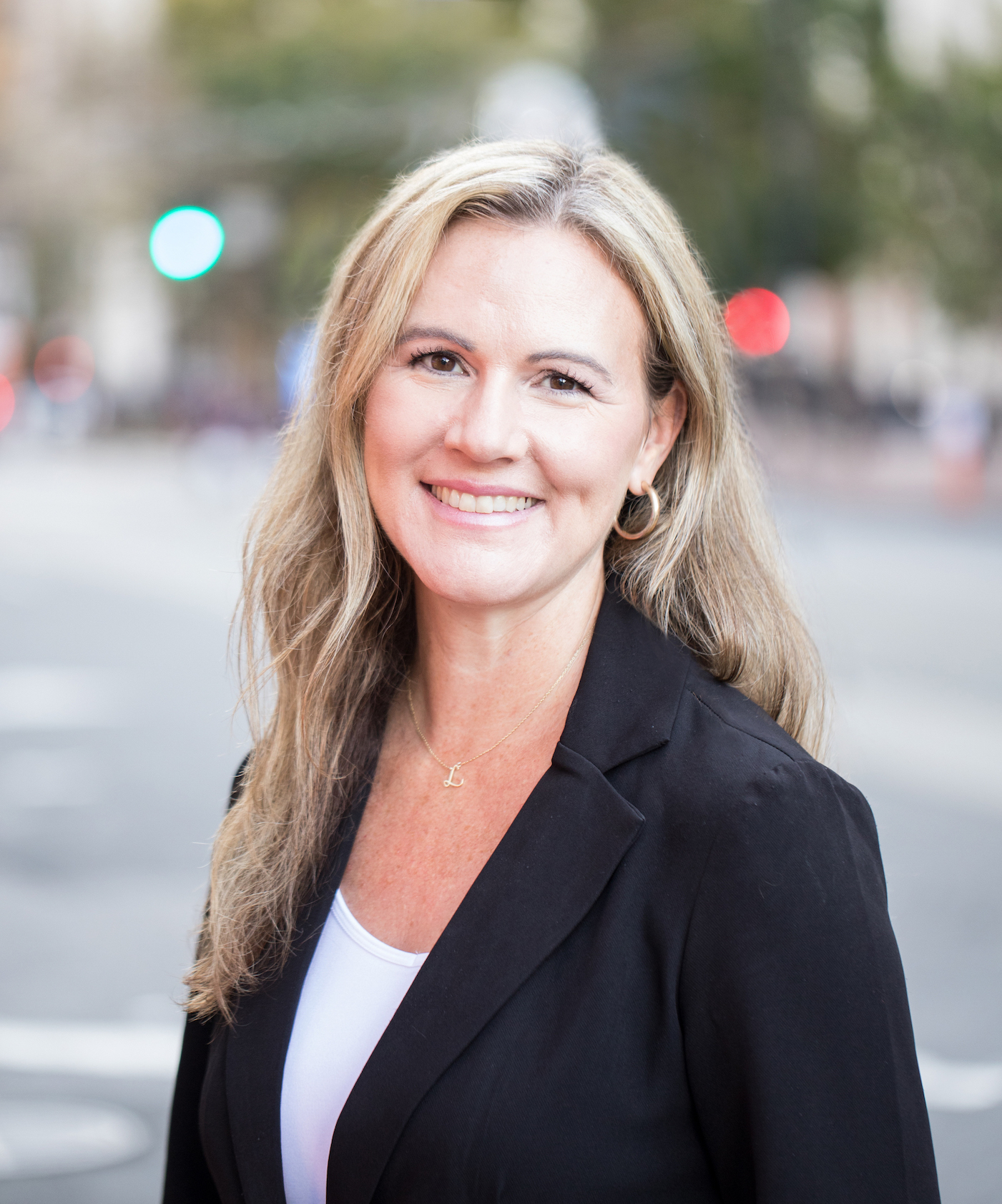
Lori Adams-Brown, Host & Executive Producer
A World of Difference Podcast
0:00 Welcome to the a World of Difference podcast. I'm Lori Adams Brown and this is a podcast for those who are different and want to make a difference. This podcast is sponsored by Betterhelp. If you are a person who really wants to understand what your strengths are, maybe you're not going through anything huge in your life. Therapy is not just for those who are in crisis, although it's definitely for that. But therapy is also a place where you're just stepping into your own skin, figuring out who you are, what it is you're offering to the world around us, and how you're making the world a better place. Betterhelp is here to help you with that, and I have really benefited by deep work, understanding myself a little bit better.
0:45 And I know many people have benefited from this resource, and that's why I'm proud to say they are a sponsor of this podcast. So if you are a person who could benefit from talking with a professional about anything going on in your life, I encourage you to stop by at Betterhelp. And the link I'm offering you today will give you 10% off your first month. And so hopefully that'll make a difference in your purse and pocket and wallet and bank account. So go to www.betterhelp.com difference today to get 10% off your first month of therapy. That is www.betterhelp.com difference to get 10% off your first month today. Today on the show from Melbourne, Australia, we have Bessie Graham on the show. Bessie is an award winning entrepreneur with over 20 years experience of working with business owners, with governments and large funding bodies to bring doing good and making money back together. From grassroots of sitting in the dirt, working with business owners in the Pacific Islands to the United nations headquarters in Geneva, Bessie has seen it all and brings an unparalleled perspective on what it means to make things happen and change. So working with people who have quote unquote made it but haven't found fulfillment, she really helps them put their time, talent and treasure to work in ways that align with their values and allow them to create a legacy they can really be proud of.
2:08 Bessie teaches people to quiet the noise of the demands and opinions of others that are always swirling around leaders in business, nonprofit, government. Wherever you're leading, you know this is true. And she wants to help people hear their own voice more clearly so they can contribute. From a place of authenticity. She removes the frustration and pressure that comes from living someone else's idea of success and really replaces it with a sense of flow and fulfillment that can only come when you tap into the fulfillment of who you are and who you are becoming. I'm so excited to have this conversation with Bessie today. So welcome to the show. Bessie Graham. Hi, Bessie. A warm welcome to you today in Melbourne, Australia.
2:56 Thanks for joining us. Thank you. I'm glad that we could make the time zones work. I am, too, and Melbourne held a special place in my heart because I got to visit there years ago, and we were just talking about how it's so diverse, and I love that it's got great coffee. I saw Taylor Swift has been there, so it's all over everybody's feed. Oh, yeah. Biggest concert she's ever had. I saw that. Yeah. I got to take my daughter for her 16th birthday trip to Rio to see Taylor Swift. We were going to do a birthday trip anyway, and so it was cheaper to take her all the way to Rio than it was to see her 20 minutes away at Levi Stadium because the tickets here were insane. It was like $800 for the nosebleed or like $20,000 for the front row. Oh, my. So it was actually cheaper to do $200 front row tickets in Rio and just use airline and hotel points, and we had a blast. Amazing. A lot of fun.
3:50 You've created a memory. Yeah, absolutely. No, we keep seeing all the swifties having fun there in Melbourne, so it does make me want to take another trip there. Well, I'm excited to talk to you today because occasionally you come across these people who understand what it really means to work in business in a way to where it can be something of a purpose and not just making profit, although there's nothing wrong with making profit. Everybody's got to pay the bills, take care of their family. I mean, that's just what it means to live this human life. But you've got a couple of decades of experience in sort of bridging this gap between profit and purpose. So I'd love for you to kind of share. Is there, like, a moment or an experience that sort of initially ignited your passions for sort of this doing good and making money together? It's interesting because when you use words like purpose or meaning, any of those types of aspects, I would say that for me, it goes right back to being a kid in that there was always this sense in me of not fitting into neat little boxes or what the expectations were. I was not one neat thing. I used to always say, even when I was a kid, that I was a walking contradiction. I would have really different parts of myself that felt equally true and that other people might find confusing. And so in finding this world of being able to, through my career,
5:22 do what I talk about as merging money and meaning, or helping people do good and make money, that allowed me to feel like I could bring that fullness of those different parts of myself. And so it's been ever present in my adult life and career. But I would say that it's the outworking of me just being me, which is a beautiful opportunity. And to have found that piece, which really does, I think, allow you to sustain something, because when you're trying to do something that's at ods or where there's some internal dissonance for you, you might be able to do it for a while through sheer force of will, but you end up getting exhausted and worn down. Yeah, I think when somebody brings their full, authentic self to their career, it's a whole different way of leading and living. And so one of the themes of our podcast is bringing our differences around the table, making sure we know each of us has unique differences.
6:31 That's what it means to be human. And so I know that your career has taken know outside of Australia, you've done some pretty incredible things in your career. And so I'd love to know how that sort of informed you as a leader and the work that you do. What kind of an impact did living abroad have on your career and yourself? Yeah, so I would say that a little bit like you, having experienced different cultures, helps to have that bigger, more expansive idea of what the world is and different perspectives, and to not be sort of sheltered or exist in such a way that your assumptions are that everyone thinks the same way, everyone experiences situations in the same way. And that began for me, more from a childhood perspective, related to the issues around social justice. So my mum in particular always opened our eyes to the fact that you shouldn't compare yourself to the people directly around you, but to the people in the rest of the world. So even though within our circles we would have been the people with the least money, she would constantly say to us, if you have running water and electricity, you are within the wealthiest people in the world. So have some perspective. Right? So she was always opening, there's nothing wrong with looking around and comparing. In fact, it can give you perspective, but you need to be quite intentional about who you're
8:01 comparing yourself to so that that kind of occurs. So there was always that curiosity and I suppose the expansive aspect of others perspectives. I then had the beautiful opportunity of, when I finished high school, I said I was going to take one year off to travel. I ended up not going to university till four years after and did lots of traveling, went to a whole bunch of different countries. And that set in motion, I suppose, the perspective that now, no matter what happens or who I work with or what you see on the news, I know people in it would now be about 62 different countries that I have people who I genuinely know and care about, and that connects you to the world in a different way. And that, I think, is one of the pieces that certainly in your work, in my work, it helps us when we work with leaders to get them to do the zooming out and zooming in. They're like, take a different perspective, think about this from a different angle. So that sort of has been consistently something I very consciously make sure is part of my work, because like you, I have a deep respect for diversity. Not in a token way, and not trying to tick a box and kind of say, oh, who's not in this conversation? And we need to fill certain categories, but simply from the perspective of it is the
9:33 way that we will. If we have people with different experiences of life, different ways they look at things, it's a much broader conversation than just gender. It's a much broader conversation than religion. It's about our ways of looking at the world and who we are. I want as many of those voices in a conversation as possible. Yeah, absolutely. It does make us better as leaders. We make better decisions, especially if in business, we have a product that we want to make available to people globally. We want perspectives on how is that product going to land in Melbourne, Australia, versus somewhere in Africa versus somewhere in the United States. All of those perspectives matter. But also, business doesn't have to just be where we treat people like factory workers. We do have factories that produce products, but we don't have to treat the people that way like cogs in a wheel. And so what are some ways that leadership can be a little more human and take into account purpose, even inside the workplace for people? I think a lot of it comes back to the role that a leader needs to take seriously themselves, of being able to pause long enough to start to unpack or maybe bring to the surface some of those unconscious beliefs they actually have about the purpose of business. Because so many people, if you were just in a conversation, it was on the
11:04 weekend, and you were all at an event together, they might, on the surface, straight away say, yeah, I totally agree with you. Business is far more than just making money. So they might, at the surface level, be excited and say they agree with you. But when you dig a little deeper into the way people are making decisions, how they're spending money, what they're prioritizing, there is this deep unconscious belief that has taken hold, particularly since the 70s when Friedman brought in this idea of shareholder primacy. So the maximization of profit started to be spoken about as if it was the law. It was always true and always would be, and yet it actually wasn't. It's not the roots of business.
11:49 It's not commerce, trade, bartering. These are deeply human things that we have always done. But what I find is the first step for us as leaders is to actually start to uncover where is there a disconnect that actually my behavior, my priorities, my decision making is demonstrating that I do actually at least have a part of me that thinks business is about how do I make as much money as possible and treat a whole bunch of uncomfortable things or expensive things as an externality and not the problem of the business. And once we start there with that mindset piece and the beliefs about the purpose of business, then a whole bunch of other conversations can happen.
12:36 But unless we start with that piece, we're never really having the same conversation because you can do a whole lot of work with a leader in their business, and then a particularly important decision or a difficult situation will emerge and suddenly I'll hear people saying things like, well, that's lovely, Bessie, but I am running a business here, not a charity. So we're going to have to put that on pause and get back to it. When things go back to normal or when things calm down, those types of comments demonstrate to me that you're still seeing the contribution or the meaning side as being a nice to have when times are good and when you have excess cash or time in the business and it hasn't actually been integrated into how you think about the decisions you're making in those core business. Good. You know, one of the things I train on in leadership summits that I conduct in the company that I work for here in Silicon Valley, and I go all around the world, the UK, I'm about to head to Taiwan and wherever people are in the world, it's the same. When we're listening to people, whether it's our direct reports, our peers, our boss, our family members, we're usually listening for three things, and that's facts, feelings and values. And you're talking a lot about values and how those impact business leaders and decisions that people make. It's something we don't think about. We don't even
14:07 consciously often think about our values, and we often don't say them out loud. But listening for what motivates people in business or in social enterprise is really important, because just like you said, when it comes down to making hard decisions, people will make those based on their values. So for you and for others that you work with, how do your values influence the way you live and make decisions as a leader in business? And how do you encourage people to do that as well? So, for me, they massively influence. And when I work with people, I'm always trying to get them to a place where they are a massive influence in their life. Because again, it's these making something conscious, making something explicit that is already driving behavior. Often you just aren't aware of where that's coming from. So, values is a conversation, particularly in business settings, that is often done in such a superficial way that leaders will roll their eyes. When you say you want to have a conversation about values, they think, oh my goodness, this is going to be another one of those completely meaningless things where there's a poster on the wall. My favorite ones are always the integrity, honesty and the eagle on those types of ideas. And so we need to do some unlearning there of, okay, people have been talking about something like values in a way that didn't actually have the depth to it. When you and I are talking about it in relation to this
15:39 question and how it's actually informing your decisions, how it is influencing the way you live, that is, values done in a far more meaningful or nuanced way. And so I always think about values from the perspective of Simon Sinek talked about that our values are who we are at our natural best. And I think that that is true. But I think that's only the starting place in particularly the last two and a bit decades. The way that I have made values really central in my life and in my work is to realize that actually by getting clear on what our core values are and then very intentionally cultivating what are the conditions that allow me to live those things out. How do I need to set up my environment or my relationships, or the time I create to be able to live in that space? That then means I can show up at my natural best, because all of those aspects around the environments we're creating, those conditions we cultivate for ourself, set us up to either be able to live in alignment with those values or not. So I think there's a really rich, much longer conversation than we can have today about how we identify those things and really name them, but they have to be aspects that do speak to how we behave. So
17:11 there needs to be action related to them. They need to inform our decisions. And I think when we get really clear on those and always have them top of mind, they become one of the filters we use in our decision making to be able to go, is this in alignment or is it not? Because most of the time when I see leaders getting exhausted and overwhelmed, particularly now, and you would see this in your work with the fast paced changes that we're all having to deal with, if you don't have some kind of touchstone or guide to come back to that actually says, yes, this sits well with me. This is in alignment with who we are as an organization. You can talk about integrity and alignment all you want, but if you haven't actually articulated. Align to what? Moving towards what? That clarity is the starting place.
18:03 So I think at our own peril, we ignore or make simplistic lists of what our company's core values are. It's a much more powerful conversation. Absolutely. Yeah. And some companies will do even a really great job, like you said, having it on the wall, making it visible on their website, having it constantly stated in certain meetings, but it really kind of falls apart if they mention one of their values is maybe inclusion, and then at the end of the day, they're doing nothing in recruiting to make sure job requests are going to appeal to somebody who's different than everybody they have, or there's favoritism still in the process, or everybody hires people they know from the same university where you get this kind of group think. And so you can say you value that, but at the end of the day, if decisions aren't made based on it, it doesn't really change. So kind of help us understand maybe sort of this decision cascade, how it can unlock clarity and decisiveness, maybe even around values. So what's interesting, if people wanted to dig into what you were just speaking about a little bit more, the best author that I've always really loved reading around this topic is Patrick Lenchoni, and in his book, the advantage, he talks about four different types of values. And some of the pieces that you've spoken about there that can end up undermining our authority or
19:37 people's respect or trust in us as a leader is when we take something that is what he would call an aspirational value, we might know that we need that as a company to succeed in the future, or we might want that to be part of our culture and we call it a core value, we name it as that. But there's this disconnect for our customers or our team where they're, hmm. Bessie's saying this, but every interaction I have, my experience with her or this company is actually the opposite. And now, even if I'm not conscious of it, I start to mistrust her because I'm hearing one thing and seeing another. And so reading some of Lent, Joni's work, and even if people don't want to get the book, there's a Harvard Business Review article.
20:22 Maybe I'll share the links with you and you can pop it in the notes. But that's a good place for people to start to pull apart some of these things, because we need to have tools, whether it's something like you've mentioned, the decision cascade, which my partner and I created and have been using for decades, or whether it's some frameworks around different types of values as leaders, these types of tools. So in ancient Greece, they always talked about them as heuristics. So thinking tools, when we have these to call on, it allows us to be more effective in our leadership, because on the fly, when a situation happens, you have a preformed structure in your mind of how to walk through that. So from decision making and when it comes to something like a decision cascade sequence is important.
21:09 And what I see myself doing and other leaders is we're the types of people who are. Our tendency is toward action. So we want to jump in. We see an opportunity. We want to jump in and build. We want to jump in and act. Part of what we do by using a decision cascade is to actually start to pull a situation or an opportunity apart and make a very conscious decision of what is the first step. So what's that first overarching decision that everything else needs to flow from that. And then once you go, okay, this is the primary decision. This is the secondary level of decisions and the tertiary decisions. What you are able to do from a leadership perspective is have a far smoother experience through your decision making. And also, when things aren't going well, you know how to unpack it and figure out where is the problem occurring. Rather than just being reactionary and going right, the whole thing doesn't work. We have to start from scratch. So I'll sort of give you a quick example through that. Part of what happens is if we as a business, have an opportunity to go into a new location, and we just jump straight into saying, great, we've got this opportunity to set up an office. I think you mentioned Indonesia before. So let's say we're going to go to Indonesia and we suddenly start to look for real estate and we've signed a lease for an office. We have made something that
22:42 should have been a tertiary know, three levels down. We've made that the primary decision because we've now created all these constraints because we've signed a lease for a certain period of time in a very specific location without the other pieces being in place. And so from that place, a whole bunch of decisions are no longer open to us and we have restricted what can come from there without having to undo a lot of things. The decision cascade is that piece that allows us to go back to something like our core values or back to our vision statement as an organization. And, ah, an opportunity's opened up, we could expand into Indonesia. What are the things we've been talking about as a company? What are our core values? If, for example, your team have been saying that you've been growing too fast and people aren't seeing their families enough and they want to travel less, you might need to have a conversation that says, while this is exciting, now is not the time for us to expand geographically. So this type of way of approaching your decisions is a much more helpful way, as I said, to not charge down a course and end up putting yourselves in positions you could have avoided simply by thinking differently.
24:00 So, good. Yeah. There's this, like saying, I hear some Americans say it's getting the cart before the horse. Yes. It's just the priorities. You got to start with the main idea, like, what are we about here? And that's what you're leading people to, whether it's in business or nonprofit. Why are you making these decisions and not just having. Well, that could happen, but just because I tell my teenager, just because you can, doesn't mean you should, right, exactly. Yeah, you've worked. Even if you pause and you say no, it doesn't mean you're saying no forever. It just means not now. Totally no, 100%. You've worked, though, not just in Australia, you've worked in some other places, kind of more on a grassroots level, also kind of more prestigious. Know where you were with the United Nations a bit. And so I'd love to know some of the common misconceptions maybe that you find around kind of social entrepreneurship that you've encountered in these different kinds of settings. Yeah. So I've very intentionally always gone to both of those extremes. I like to work at the level of looking at the whole system. So big international funders as you mentioned, like the United nations or I do a lot of advisory work with government. That piece is important and I think often missed in the world of something like social entrepreneurship or nonprofits, where it stays grassroots and often fails to look up at that broader system and understand,
25:32 okay, what are the constraints, what are the opportunities, what's happening, what's our part within the system? And so for me, it's an intentional decision to always be someone who bridges those two worlds. I don't want to just be systemic and big picture and lose touch with what's actually happening on the ground and what the reality is. So I always talk to people about, I'm very conscious of making sure I have enough interactions, one on one, with individual founders, or one of the pieces that's often in my bio that is important to me is that I've spent a lot of time sitting in the dirt across the Pacific islands, whether it's with coconut farmers or on coffee plantations or whatever that piece is. That means when I'm then acting as an impact investor, or I have my philanthropic hat on, or I'm doing government advisory work, while someone else might be talking academically about how something happens, I can say, well, actually, when I was in the back of a truck traveling from the farm to the port, I know that these are the challenges someone's seeing. So I would say, in answer to your question, sort of some of those patterns that I think are really important for all of us as leaders to push ourselves outside our comfort zones and really ensure we work into the way we lead is to not get into, you mentioned groupthink before, to not just sit in such small, closed circles where everyone
27:02 thinks the same way or has the same perspective, but to actively put ourselves in situations where we say, interesting. Now that I have that little piece of information, it might seem random at the moment, but it will come in handy later. So those types of things have always been useful for me and then played out, as I said later, when I've been in a situation investing in a company, in a country, and someone will use a certain piece of evidence to demonstrate social impact. And I'll say, well, I now know the questions to ask, because I'll say, so, when you talk to that farmer, did they actually speak English? So when you've got this feedback or you say that they've signed this and given who signed it and who explained it or translated it to them, because I know the questions to ask, because I understand both the grassroots and the systemic, and I think as leaders, we're not paid to just show up and be on the clock. We're paid for how we think, how we see the world, what opportunities do we spot, or where do we see risk that someone else doesn't see? And the best way to bring the most value as a leader is to expand what you understand and how you can bridge different worlds, because that's what innovation is. Two previously unconnected things now connect them.
28:29 Something doesn't have to be completely unique and never thought of before, but you're wanting to do that, bringing things together that were not seen. Huh. Imagine what would happen if we combined those. So, good. Yeah. It takes me back to my own. I also had an experience with the UN, where I worked as sort of a liaison with them in the indonesian tsunami, because I was working in community development in that area when the tsunami hit that. So, you know, you have people from all over the world, big ngos coming in, and the coordination efforts were really just like a ginormous effort, like I've never seen, because it was such a large disaster and had so little infrastructure to begin with to sustain anything like that kind of world group of people coming in from all these places. But the value of that was, I worked for a grassroots, indonesian based nonprofit, so I was fluent in the language and understood the culture because I'd worked there for a long time, which had its own dynamics under sharia law. For westerners, it was a hard environment to even immerse myself in, to do the work that I did. But I had spent quite a bit of time sort of honing all of that and building relationships. But I do remember sometimes you would see these ngos making decisions that clearly nobody was in the back of the truck, understanding just people, leaders coming in, making decisions that aren't informed. And then we would see the aftermath of it. Like boats that were made for a river that was
30:02 intended to be in the ocean. Those are different. And so they ended up just turning them upside down and making shops out of them, because Indonesians are innovative like that. But there was a lot of republic of Kuwait boats, and so, yeah, you just saw decisions being made that it's like, oh, wow, we don't want to waste resources by not just spending our time really understanding. And that could be anything from in a company where you get, like, what I'm doing right now is one of the things I'm working on is we have glint survey data, and there's a particular part of the data that we weren't sure what people meant when they said certain things. So now I have focus groups going on here in the office in Silicon Valley. I'm going to be doing that in Taiwan when I go there. And it's just asking our people, what did you mean when you answered these ways? Like, we don't know specifically who said what, but just the data on there that aren't people, and then there's enough people that said it. So we're just asking people to share, because as leaders, like you said, we make decisions, and our decisions, if they're not informed by actual how things work, we make bad decisions. So what are some of the things that you've learned along the way in terms of just in addition to what you're saying or advice you give to people about people, how they can have a little more clarity when they make decisions? So the first thing that comes to mind, and we've actually woven this into our company core values, there was an amazing woman.
31:27 She's passed away now, called Pamela hardigan. I'm not sure if you're familiar with her, but she had this beautiful phrase that she used where she would say, you need to apprentice with the problem. And that piece of the example you just gave, being a beautiful example, don't just assume you understand something. Don't think that good intentions are good enough. Well, I was trying to help. So surely that boat, that was for the ocean, you should be thankful because I'm very generous and was helping you. These pieces of stopping and saying, how do we need to apprentice with the problem? Where do we come at this from curiosity? Where do we ask a question and have a conversation, rather than assume we know best and then impose ourselves on people or situations that, as your starting point, is always a brilliant way to. You're never going to get it perfectly right. It's a bit like parenting. There will be things that our children are deeply hurt by and disappointed in what we've done, regardless of what our intentions are and how we do our best? Right. So in none of this, am I trying to make leaders feel like, oh, my goodness, I've got to be perfect. But I always say, you need to hold these two. This goes back to your both and mindset. Right. So as a leader, being able to hold two things that seem contradictory and say they're equally true, I think that when we are trying to move into this world and be more conscious of the impact we're having in a flow on way in the world, in the work that we do, we need to hold in our minds the piece of
33:02 how do we have a designerly disposition. So how do we be willing to try just pilot, prototype, test things, but do that in a way that also holds what Rattel, I'm not sure whether you've read any of the work around what's called wicked problems that Rattel wrote many years ago, but in there he talks about if you are intervening in a system or in a position where there are these deeply complex problems, then you have no right to be wrong. And people can freak out when they hear that. But I think when you hold designly disposition and no right to be wrong together, what it allows you to do is say, how would we test or prototype this without actually really raising expectations for a group of people that have then come to rely on us? And we actually didn't know what we were doing, and we didn't yet have sign off or budget to continue to do that. So we probably shouldn't have talked a big game yet.
34:02 Right. So holding two seemingly contradictory things in your mind at the same time, and then landing at and continuing to work your model or your design until you get to a place where those two things can coexist, that is the most effective way to step into this space. So I think some of those ideas apprenticing with the problem, learning to have that designly disposition, be willing to play and try and not being scared of failing, but also taking seriously your responsibilities. Those pieces, when they dance together, create a really energizing, exciting culture for people because they can try new things, they can explore, but they also feel that sense of the weight, if you like, but in a positive way, of there is responsibility here, and I want to act with integrity. I want to be proud of what we're building. We don't want to fall into that trap of that black and white aspect of business, being that for us to win, someone else has to lose, or it's on the back of someone else being exploited. That's not what we're trying to do. And so I think some of those pieces are good ways to start as a leader in your own culture, to say, here's what we want to be moving towards. What are the types of ways we could run a project, or how we could explore opportunities in a different way that holds these two pieces in our mind. So good. I think a lot of leaders
35:37 we. See are. Working in such a way as to where they're kind of burning out. Because especially if you're doing, going above and beyond, like in business, for example, there's deadlines to make, there's direct reports to make sure you're caring for and motivating, and especially middle management, kind of sort of a huge part of the job of these middle management to make sure they're continuing to motivate workforce. And then they're having to maybe pass down decisions that they may or may not have agreed with and say it in a way that their direct reports can receive when they may feel that they're burning their own direct reports out. Because business can be hard at times. And then leaders have this sort of mental load that they carry. So have you seen leaders where they want to do the right thing? They want to be leaders who don't just care about profit, but to add on purpose just feels too much. It feels like an overload. Have you encountered people like that? And if so, what have you told them? Or how have you helped them? I think for most business leaders, it still falls into that category where it feels like part of them would love for that to be something that was their experience at work. But it seems like that's another thing to do. And it typically is framed in a way where it's seen as a distraction to the primary
37:08 strategy or something that will be an expense or time consuming. And that's really disappointing, because that is, in many respects, on the back of people like me, who for decades have been in this world. If what you've always seen as the examples of how to contribute or do something have been things that were incredibly expensive, really time consuming, and weren't connected to the core business, then that's all you've been demonstrated. And so you think, well, that's nice. And maybe if I had 10,000 employees, I could do that, or maybe if I had massive cash flow, that would be an option, but how on earth am I going to do that? And so I think part of the work, particularly in the last two years, where I've been pulling together what the actual methodology is and saying, how do we get back to a place where you can be unapologetic about pursuing the competitive advantages that come from merging these aspects of money and meaning? You don't need to feel uncomfortable about something being commercially advantageous, as long as it is connected to growth and scaling of a business on the back of adding more value.
38:30 So if we come back to this piece of when you're in that place of exhaustion, and it feels like you just couldn't add another thing in, it's stopping and saying, yeah, and you shouldn't add another thing in, but maybe you could run your business differently. And even if you're at that level of middle management, because that, as you said, can be a very difficult position to be in. It's figuring out where do you have influence and control? What are the decisions you can actually be shaping. And if there's a report, there's a directive coming down that you're going to need to share with your team and you fundamentally don't agree with it, but it has to be played out. You can shape how that's shared with your team or exactly how it's executed within your team, and whether there's conversations about figuring out, right, let's not turn into being every person for themselves, but how do we, as our own little team, talk this through and divide up the tasks so that it doesn't actually have a detrimental effect on us? Or how do you, as the leader of your individual team, even within a bigger organization, cultivate that space where people do feel, for example, psychologically safe, where they are able to come and talk to you when it's difficult? Now, there will be constraints to that depending on what your position is, and I absolutely acknowledge that. I think regardless of where your leadership
40:01 position is in the organization, though, it's starting with those pieces of where do I have decision making control, or at least some influence, and then how do I shape things from there towards this idea of business where we're unapologetically pursuing both? So we're saying, okay, we can get to a place where, rather than burning out our team, because we see that, oh, my goodness, for us to actually be able to reduce costs and increase revenue and get that profit up, we're going to have to get more out of these workers. Shifting that perspective and saying, where could we innovate in the back end of our business model, where actually people could be doing less hours but being more productive? Or where are there pieces where we have something in house that actually, if we outsourced that, and I don't mean in the way of going to another country and paying people below a living wage, I mean figuring out what your core business is and then not being distracted by trying to be doing everything internally, all of these pieces are the role of a leader, whether a middle manager or someone actually running the company.
41:09 It's to say, how do we change our perspective, starting from that place? That said, I do actually believe that you can merge money and meaning, and that I can get to a place where I see that purpose of business being, how do I know the value I bring? How do I understand the value customers want from us? And how do I capture value in return when it's that piece of delivering and capturing value and creating that beautiful self reinforcing loop where we're only growing on the back of adding more value, what that does, the delivery of value. And then that driving of revenue into your business model suddenly means you are not in the position of being exhausted. And seeing this as another thing to add on, it actually relieves pressure and stress, both financially and on that mental load, people's well being. So creating that win win actually starts from that belief about the purpose of business and then looking at the opportunity differently. Yeah. So good. I love it. It's definitely the challenge of leaders, but there are good things being done and there's people doing it well. And I think that having these conversations is really helpful.
42:23 Hopefully, people listening are getting new thoughts because of what they've heard you say and your own experiences. And I just thank you for sharing those with us today. Your unique background, bringing your work in both kind of nonprofit spaces, and then with government and business all together, these things are not at ods with each other. They can work together, even those entities, those institutions, to make a difference. So thank you for bringing that together for us today. Would you let people know where they can find you if they want to know more about your work? Do you have any freebies to offer that people might want to know about. And let people know about that? Yeah, absolutely. So the best place to go is to my website, bessiegraham.com. So we'll share the link, and we'll also share a link to a free download that you can grab, which goes through five of the questions that over my 24, nearly 25 years of working in this space, I've found these patterns of five questions that decisive leaders need to actually have clarity on.
43:20 And so if you want to have a read of that and think about, can you actually answer those questions? Where do you have some of the gaps? That's a great place to start. So head to the website and download that. And from the website, you'll also be able to find the podcast and any other bits you might want to dig in a little bit more to what I'm working on. Lovely. Thank you so much, Bessie. It's been just an honor to have this conversation with you. It's given me new insights and a new imagination for how things can be in business and in nonprofit and all those things together. And so just thank you for this conversation. But we're going to have you also hang out with our difference makers. So any of you who aren't there, you can check us out at ww patreon.com slash a world of difference where Bessie and I'll be having this conversation a little deeper around the self leadership piece and the resilience piece for our leaders. I want to kind of dig a little more into that with yeah, but for this part of the conversation, just thank you so much for being here today. It's been an honor. My pleasure. Thank you. I really learned so much from Bessie and her perspective today. Just loved her stories of sitting in the back of the truck, right, of being the kind of leader who understands that macro and micro perspectives on a situation really lead to the best decisions and to be more inclusive in the people she listens to, to make decisions that really matter, really holding businesses to the values they set out at the beginning to say, this is why we're doing this and helping people start at that beginning of the process instead of making decisions way down the line and
44:52 forgetting why they do what they do. I really do agree with her that when it comes to resilience for leaders and why people burn out some of the things we talk a lot more deeply about in the difference maker conversation. So please join us there at Ww dot patreon.com a world of difference where you'll get to hear that exclusive interview with her. We go a lot deeper into what it means to lead yourself, have self leadership and resilience in the face of all kinds of circumstances. If I'm being honest, I loved this podcast conversation you're listening to now. But I even loved more the conversation we had on our difference maker community. So please do check that out. We go into what do you do when you show up as a leader and you don't look or seem like they expected you to be? How do you navigate that situation? What are some tips and tricks she's learned along the way? Who are people she's learned from that have informed her how to be a leader that stays true to yourself even when the expectations of who you are going to be looks a little different when you show up in the room. And I loved that conversation. I find that when we pass along information to each other about things we've learned and the knowledge we have just from our own experience, and someone like her, having a couple decades of experience of not only working know, having Geneva UN headquarters in her background, but also Pacific islands and then also the work she does there in a big city and diverse Melbourne, Australia, she brings all these things to the table and I just really learned so much from her today. I hope you did too. Whether you
46:24 work in business, nonprofit, government, whatever your space is, I hope you've gleaned from this conversation. It was just so much fun to talk to her. And once again, please do check out the Patreon. It's ww dot patreon.com. A world of difference where you're going to just love that conversation we had there, where we go a lot deeper on the whole resilience piece, self leadership piece, and how to be authentically yourself in the midst of really difficult circumstances sometimes. So I know that many of you are just all around the world dealing with hard decisions. So hopefully know bringing some more congruence into the decisions that you make will help alleviate some of that burnout that some of you may be feeling.
47:07 Because I know you difference makers, you are not couch potatoes. You were people who do need a break and do need a day of laying on the couch occasionally just to watch Netflix and just eat your favorite ice cream. I don't know, some of you out there just need a break, but at the same time doing the work that you do that helps you stay congruent with who you are. I hope that you lean a little more into that after this conversation and that she can give some of her insights, can give you handles on how to move forward in a way that's more authentically who you are. We need you to show up as yourself in the world and bring your difference to the table and help us all make a difference together because of who you are. And you don't have to be like everybody else. So I'm glad she reminded us of that today.
47:51 Anyway, wherever you are in the world, please just take care of yourself and keep
