

 Apple Podcasts

 Spotify

 Castro

 RSS Feed

 Audible

 YouTube

 Podchaser

 Goodpods

 Castbox
Dr. Nijay Gupta on Rethinking Religion: The Roman Empire's Influence on Early Christians
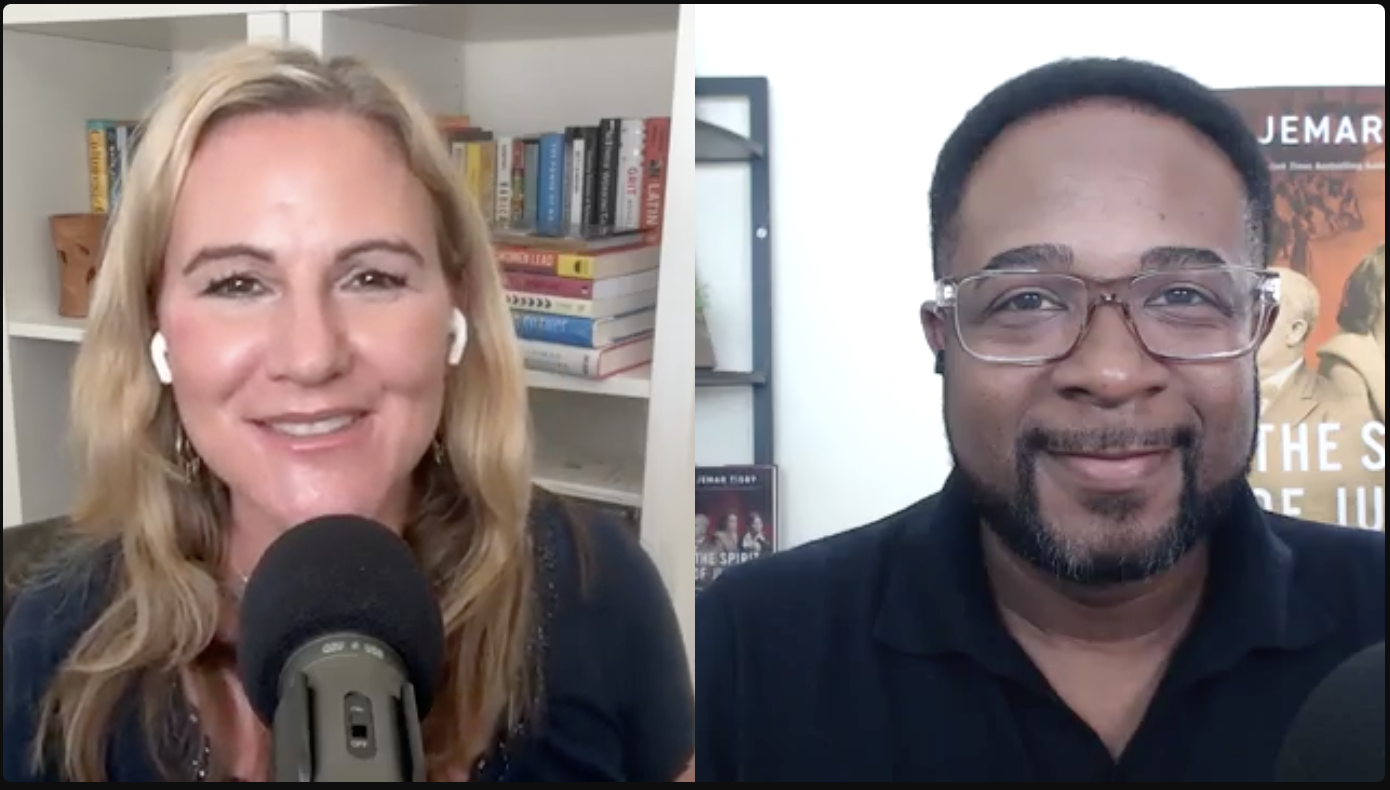
Hey there, are you feeling disillusioned with modern Christianity? Have you been told to just accept the status quo and keep quiet about your doubts and concerns? It can be frustrating to feel like you're not getting the authentic experience you're seeking, especially when it comes to your faith. If you're tired of the ineffective advice to just go along with it, let's explore a better way to understand the history and context of early Christians that can revitalize your faith, whatever your faith background and bring new perspective to your journey. Let's dive into the compelling insights that can reignite your passion for authentic faith, even if that seems a little strange in your current religious context.
My special guest is Dr. Nijay Gupta
Dr. Nijay Gupta, a distinguished professor of New Testament at Northern Seminary, is widely recognized for his scholarly contributions to early Christian studies. Residing in Portland, Oregon, Dr. Gupta also serves as a co-host of the acclaimed Slow Theology podcast and is the founder of the influential Crux Sola blog. With an extensive repertoire of published works, including "Strange Religion," and "Tell Her Story," Dr. Gupta's comprehensive understanding of the historical and cultural context of early Christianity renders him a leading authority in the field. His latest book provides an insightful examination of the ways in which early Christians diverged from the prevalent religious and cultural norms of the Roman Empire, offering a compelling narrative that enriches our understanding of this pivotal era.
I want to believe that is a great and beautiful thing for anyone who feels like their movement has gone astray, whether it's a political movement, a religious movement, a social movement, we can always say, what are the good and beautiful and true things that made us who we are at the beginning? How can we come back to that now? - Dr. Nijay Gupta
In this episode, you will be able to:
- Embrace the uniqueness of early Christian teachings to deepen your understanding of faith and spirituality.
- Experience a paradigm shift in your perception of religion by exploring the roots of early Christianity.
- Explore the profound impact of early Christian theology on modern belief systems and moral values.
- Challenge yourself to embody the concept of loving one's enemies and understand its significance in daily life.
- Discover the importance of prioritizing self-care and well-being through the lens of early Christian teachings.
Experience a Paradigm Shift
The early Christian revolution led to a paradigm shift, moving from power-driven religious practices towards a focus on goodness and authenticity. It revolutionized societal perceptions, promoting a familial relationship with God over a hierarchical one. This shift redefined societal values, placing emphasis on the inherent dignity of every individual, thus influencing modern perceptions of self-worth and individual rights.
The resources mentioned in this episode are:
- Check out Nijay Gupta's latest book Strange Religion: How Early Christians Contrasted with Roman Religion and Culture available from Brazos Press for a deep dive into the contrast between ancient and modern perspectives on Christianity.
- Join the exclusive Difference Maker community on Patreon at www.patreon.com/aworldofdifference to access deeper conversations with guests like Nijay Gupta and enjoy exclusive content, including videos and interactions with the host.
- Connect with Lori Adams-Brown at Podcast Movement Evolutions in LA at the end of March and attend her breakout session on having a global podcast.
- Listen to the Slow Theology podcast co-hosted by Nijay Gupta and Dr. AJ Swoboda for discussions on deconstruction, faith, and navigating a complex world.
- Engage with the World of Difference podcast by reaching out to Lori Adams-Brown on social media to share how the podcast has impacted your life and work.
- Check out Nijay Gupta's latest book Strange Religion: How Early Christians Contrasted with Roman Religion and Culture available from Brazos Press for a deep dive into the contrast between ancient and modern perspectives on Christianity.
- Join the exclusive Difference Maker community on Patreon at www.patreon.com/aworldofdifference to access deeper conversations with guests like Nijay Gupta and enjoy exclusive content, including videos and interactions with the host.
- Connect with Lori Adams-Brown at Podcast Movement Evolutions in LA at the end of March and attend her breakout session on having a global podcast.
- Listen to the Slow Theology podcast co-hosted by Nijay Gupta and Dr. AJ Swaboda for discussions on deconstruction, faith, and navigating a complex world.
- Engage with the World of Difference podcast by reaching out to Lori Adams-Brown on social media to share how the podcast has impacted your life and work.
Let suffering speak for the atrocities that are done then and now in the name of Jesus by Christians who should know better. But there's so much in scripture that has done so many good things for the things we take for granted right now. - Dr. Nijay Gupta
Embrace the Uniqueness
Embracing the uniqueness of early Christianity involves accepting its inherent non-conformity, individuality, and authenticity. It requires acknowledging the contrast between early Christian ideals and the current negative perceptions that have tainted the contemporary church. This embrace urges us to strive for a return to the faith's original, 'weird' roots, without the distortions prevalent in current mega-church culture.
The key moments in this episode are:
00:00:02 - Introduction to the Podcast
00:01:05 - Sponsorship and Therapy
00:01:27 - Introduction of Dr. Nijay Gupta
00:02:23 - The Concept of "Strange Religion,"
00:11:43 - Contrasting Ancient and Modern Religious Practices
00:14:24 - Early Christian Environment
00:17:29 - Religion in the Ancient World
00:19:47 - Gods and Fear
00:21:42 - Paradigm Shift
00:26:39 - Christianity's Evolution
00:29:47 - The Challenge of Loving Your Enemies
00:32:40 - Divisions and Unity
00:33:22 - Suspending Judgment
00:34:23 - Uncovering the Original Message
00:40:39 - The Impact of Early Christians
00:43:12 - Excitement for Podcast Movement Evolutions
00:43:36 - Meeting Listeners
00:43:56 - Gratitude and Encouragement
00:44:20 - Shoutout to Nijay Gupta
00:44:45 - Closing Remarks
Experience a Paradigm Shift
The early Christian revolution led to a paradigm shift, moving from power-driven religious practices towards a focus on goodness and authenticity. It revolutionized societal perceptions, promoting a familial relationship with God over a hierarchical one. This shift redefined societal values, placing emphasis on the inherent dignity of every individual, thus influencing modern perceptions of self-worth and individual rights.
Timestamped summary of this episode:
00:00:02 - Introduction to the Podcast
Lori Adams Brown introduces the World of Difference podcast and its focus on those who are different and want to make a difference. The podcast is sponsored by Betterhelp, emphasizing the importance of therapy for personal growth and understanding strengths.
00:01:05 - Sponsorship and Therapy
Lori highlights the role of therapy in personal development and offers a 10% discount for Betterhelp. She encourages listeners to consider the benefits of talking to a professional about life's challenges and self-discovery.
00:01:27 - Introduction of Dr. Nijay Gupta
Lori introduces Dr. Nijay Gupta, a professor of New Testament at Northern Seminary, highlighting his expertise and previous works. She previews the discussion of his latest book, "Strange Religion," and its focus on early Christians contrasting with Roman culture.
00:02:23 - The Concept of "Strange Religion,"
Dr. Nijay Gupta explains the concept behind his book, "Strange Religion," drawing parallels between the unique individuality of Portland, Oregon, and the early Christians' commitment to a different way of living and beliefs. He emphasizes the need to rediscover the original, revolutionary essence of Christianity.
00:11:43 - Contrasting Ancient and Modern Religious Practices
Dr. Nijay Gupta discusses the differences between ancient Roman religion and modern Western views of religion. He highlights the public, obligatory, and practical nature of ancient Roman religion, contrasting it with the optional and personal approach often seen in modern
00:14:24 - Early Christian Environment
Dr. Nijay Gupta discusses the environment in which early Christians grew up, where religion was an obligation and a question of power and obedience to gods.
00:17:29 - Religion in the Ancient World
Gupta compares the saturation of religion in the ancient world to modern sports culture, highlighting the obligatory nature of religion during that time.
00:19:47 - Gods and Fear
Gupta explores the fear and power dynamics associated with the gods in the ancient world, and how early Christians rejected this paradigm by emphasizing a loving parental relationship with God.
00:21:42 - Paradigm Shift
The conversation delves into how early Christians shifted the religious paradigm from power and coercion to one of inherent dignity for all individuals, leading to a different socio-economic outlook.
00:26:39 - Christianity's Evolution
Gupta reflects on the need for Christianity to constantly evolve and change for the better, drawing inspiration from historical figures like Dietrich von Hoeffer and emphasizing the importance of returning to the core ideas of the faith.
00:29:47 - The Challenge of Loving Your Enemies
Dr. Nijay Gupta discusses the difficulty of Jesus' teaching to love your enemies and how it applies to our world today, especially in the face of political strife.
00:32:40 - Divisions and Unity
Dr. Gupta talks about how divisions exist not only in the political sphere but also in various parts of the world and emphasizes the importance of loving our enemies as a way to overcome these divisions and unite people.
00:33:22 - Suspending Judgment
The conversation delves into the challenge of suspending judgment, especially in today's society, and how it relates to the teachings of Jesus in the Bible.
00:34:23 - Uncovering the Original Message
Dr. Gupta shares the importance of revisiting the original teachings of Christianity and scripture, encouraging readers to look beyond the negative aspects and discover the timeless truths within.
00:40:39 - The Impact of Early Christians
The conversation concludes with a discussion on the impact of early Christians in history and how their values and ideals continue to influence social change and justice movements today.
00:43:12 - Excitement for Podcast Movement Evolutions
Lori shares her excitement for attending Podcast Movement Evolutions in LA and meeting up with listeners. She mentions the opportunity to meet Amy Poehler and her previous experience of hearing will Ferrell.
00:43:36 - Meeting Listeners
Lori expresses her eagerness to meet listeners of the podcast at the event and encourages them to come up and say hi. She values connecting with her audience and appreciates their support.
00:43:56 - Gratitude and Encouragement
Lori expresses gratitude to the listeners for taking the time to tune in and emphasizes the importance of self-care. She encourages everyone to keep making a difference in their own way, wherever they are.
00:44:20 - Shoutout to Nijay Gupta
Lori acknowledges Dr. Nijay Gupta and his perspective shared in the conversation, thanking him for his insights and contribution to the episode.
00:44:45 - Closing Remarks
Lori wraps up the episode with a reminder of the value each listener holds and encourages them to continue making a positive impact in the world.
Impactful Theology
Early Christian theology was transformative, marking a stark departure from the ancient Roman religious practices and fostering a culture of empathy and love. The teachings of Jesus, particularly those focused on love and compassion towards one’s enemies, remains relevant even in today's divisive world. Through a careful examination of our attitudes towards others, especially those with differing ideologies, we can more fully embody these teachings, fostering social transformation and bringing about meaningful change.
- https://www.aworldofdifferencepodcast.com
- https://www.facebook.com/A-World-of-Difference-613933132591673/
- https://www.linkedin.com/company/aworldofdifference/
- https://www.youtube.com/@aworldofdifference
- https://www.twitter.com/@awodpod
Learn more about your ad choices. Visit megaphone.fm/adchoices
Follow the podcast at:
- https://www.youtube.com/@aworldofdifference
- https://www.aworldofdifferencepodcast.com
- https://www.linkedin.com/company/aworldofdifference/
- https://www.instagram.com/aworldof.difference/
Join our Difference Maker membership community for a ton of exclusive content for as little as $5/month. (The price of your a latte at your local coffee shop to enjoy a whole month of content.) Lori's Travel Tips are included as well as exclusive minisodes with our guests not available anywhere else. Join for deeper conversations and a little fun today at https://www.patreon.com/aworldofdifference
Keep making a difference wherever you are!

Lori Adams-Brown, Host & Executive Producer
A World of Difference Podcast
0:00 Welcome to the a World of Difference podcast. I'm Lori Adams Brown and this is a podcast for those who are different and want to make a difference. This podcast is sponsored by Betterhelp. If you are a person who really wants to understand what your strengths are, maybe you're not going through anything huge in your life. Therapy is not just for those who are in crisis, although it's definitely for that. therapy is also also a where you're just stepping into your own skin figuring out who you are what it is you're offering to the world around us and how you're making the world a better place Betterhelp is here to help you with that and I have really benefited by deep work understanding myself a little bit better And I know many people have benefited from this resource and that's why I'm proud to say they are are sponsor of this podcast So if you are are person who could benefit from talking with a a about anything going on in your life I encourage you to to by at betterhelp And the link I'm offering you today will give you 10 off your first month.And so hopefully that'll make that'll difference in your purse and pocket and wallet and bank account So go to www.betterhelp.com to to get 10 off your first month of therapy That is www.betterhelp.com difference to get 10 off your first month Today today on the show we have a return guest It's Dr.Nijay Gupta Nijay is Gupta. professor of New
1:30 Testament at Northern Seminary He lives up in Portland Oregon and he's a co host of the show the Slow Theology podcast He's also the founder of the Cook Sola blog and he's written numerous books including what he was on he show last time to talk about tell her story Also he's written a beginner's guide to New Testament studies 15 New Testament words of life and commentaries on Galatians Philippians Colossians and first and second Thessalonians.He is a co editor with Dr co McKnight of the State of the New Testament Studies and he's Testament senior translator for the New Living translation of the Bible that some of you may have read or currently read And he is on the show today to talk about his latest new book And I was so thrilled to get another advanced copy of another one of his books This one his called strange religion how early christians contrasted with roman religion and culture.And I really love this Just he brought in so much of like just as you're reading it in the very beginning so much of just the whole keep Portland weird thing And if you don't know about that just google it and go visit Portland because then you'll kind of understand it But he talks about how the first christians were kind of weird and just how weird they were is often lost on today's believers And I on mean weird in a way to where christians don't know how to make hard decisions in the world so they just have to be weird.I don't mean like that It's just when you'll understand please get a copy of his book and it's available for preorder as well But as you read this book you'll understand a little
3:02 more about what he a Just going against empire going against things going their day that took a lot of courage And so this book is so well written.It actually has some really fun pictures because he's trying to make it a more immersive experience He's talking about gods and different people that you may have known about when you read about greek gods and your history books growing up But he really kind of makes it come alive as to what the scene was like for some of the early christians but also brings it into modern day And also story about him shopping at Costco So really excited to have him back on the show to to talk about his latest book Strange Religion.So welcome back for the second time Dr Nijay Gupta.Hi Nijay And a warm welcome to you Gupta. in Portland to the show today I have some wild winter weather here in California but I just want to say are you keeping Portland weird for us Are you doing you job up there I'm trying.I'm trying It's hard to keep up there? But we've been here almost ten years so I'm pretty settled into the weird I love it I love it so much.Every time I go to Portland it's just it signs everywhere say keep Portland weird And I just love the quirkiness of it all And I love that you bring that into your book I was reading your book and yes this is what we're talking about today everyone Strange religion.I was reading it in my coffee shop that I walked to with my husband on the weekends And we're really spoiled here that we can walk to really good coffee places Phil's coffee is one of our
4:33 favorites but I was sitting in there reading it and the woman next to me said that book looks really good So she liked your cover Apparently that was selling her.And I said well I was reading in the kind of beginning where you talk about keep Portland weird and how that ties in with strange religion So I was kind of telling her about it She's like I have family in Portland So you may have sold a few books out of Los Gado's coffee place from may woman who a very impressed by your So kind coffee know just out the gate.Tell us how you brought that together Like Portland's weirdness the strange religion concept kind of dig us in there a little bit Yeah As I said I've been living in Portland for a while and one thing it's known for is just individuality in who you a and not blending into kind of the wider culture as some kind of robot or zombie like conformity I say in the book is a four letter word in you know during the pandemic a lot of the book ideas came out of the pandemic and just what's been going on the last four or five years.United States with political division with the rhetoric on social media of judgmentalism hatred and just I feel like the american christian church is going through kind of hatred, period of reckoning with church scandals and post pandemic wondering should we go back to church Why should we go back to church And my neighbors here in Portland there's a lot of negativity
6:04 towards the Church It's a highly unchurched area The general sentiment is from reading the news and the politics of the day churches just reflect the worst of society.Racism sexism greed narcissism extreme individualism all of that I don't think that's true for all churches But I do think we're dealing with that. major reputational issue with the american all evangelical church in terms of who are we a makes us tick What's driving us Is it about goodness or is it about power Is it about Jesus Or is it about you know when people say to me who aren't a part of a church or who are maybe disenchanted with say church when they say to me christianity is ugly or christianity is hurting people what I really want to tell them is that's not Jesus That's not the Jesus I know That's not the Christianity that it was meant to be.So the kind of hook for my book is my editor know hey I like your book but you need a better hook So I put this in the book at the very end of writing it I went to Costco a handful of years ago which I love And part of my Portland hippiness is I like coconut water
7:35 And so I was looking for a good coconut water Portland Costco was selling this brand of coconut water that's pink.And I'd always thought of coconut water, as clear In fact I have a group of students and I put always picture of a clear bottle just recently into the group So I was kind of confused Why is this coconut a pink And there's actually a sign on the label that says why is this pink So I read the sign and it a when we open up that coconut and the liquid inside interacts with oxygen it naturally turns the sugars pink So real coconut a is meant to be pink Then I'm wondering why have I always seen clear coconut water And the answer is when you buy the gas station or when you buy it at Kroger's or whatever the chemically altering it to give you gas sense of pristine to give you at sense of clear that isn't true to what it actually should look like And I thought what a great analogy for that synthesized Christianity which we often see in celebrity forms of Christianity that we often see in some a forms attractional forms.So my book really is if coconut water Christianity, pink I want the in stuff And if Christianity is weird I want the weird stuff Like I want to know what it's actually supposed to be
9:05 like So my book is an attempt Lori to get people to go back to the origins of Christianity to see what it was always meant to be as a revolution a social political economic religious spiritual moral revolution to change the world to the way that Jesus envisioned the world to be which is very different than Trump's America very different than Biden's America and very different than Caesar's Rome And I want to different enchant people with Christianity by showing them the beautiful side of what the early christians started in the first century.I love that reenchant And when I read your coconut water section I was like what in blown right Because I also shop at Costco but know grew up in Venezuela where we had coconuts on the beach and loved one of our favorite things to do when we lived in Sumatra and Indonesia was go to the beach every usually on the weekend and order do call it kalapamuda which is young coconut.The achinese way is much faster So any achinese people listening and you just say like it's so much faster But they just chop off the top of the coconut They put and straw in there and the coconut part is white they meat part inside that you can scoop out and eat So I guess I just always assumed it was white, too because I never
10:38 really drank the water out of the actual coconut.Right Even I was in Rio in November I had one on the beach there Every coconut I've ever had I've always just assumed it's like clear and white But I guess if you take it out and this is where you're just blowing our minds because some people think of Christianity a certain way and they're not wrong to say there's narcissism there's abuse there's sexism there's racism because christendom has shown and is showing us that.But you're pointing us back to christians in there's early church You're pointing us back to Jesus and the things that he said that are very different than this christians nationalism we're seeing in the US And so I think that one of the parts of your book that I really enjoyed was where you talk about the scenes in the homes of like Athens and Pompeii households right So there's this paraphernalia of goods that people might encounter which a western home here maybe in Portland or even California might not really comprehend Living in Asia seeing hindu gods in people's homes or traveling in Thailand and in know it's common but it's for really lot of the westerners listening they don't understand.But you compare it to modern sports heroes tell us how that's different and similar to what they would have encountered Yeah well you have to understand the ancient world It's very different than a modern western mentality towards religion in a separation of church and state kind of place like America because we often treat today religion a optional and personal So it's optional in the sense that if I get to church I will If not I won't.And it's very like what's
12:09 it doing for me It's a fulfillment oriented thing for many people not everybody but for many people it's a fulfillment oriented So you say I wasn't feeling the sermon I wasn't feeling the music It's very much like it's almost like food Like is it delicious Do I like it Do I not like it I won't go back again to that restaurant And then secondly it's very personal and privatized so you could be religious and not one ever know because you do it in the privacy of your home or the privacy of the church or synagogue or whatever that you go to if you're religious in America in the ancient world much like places like India today it's national it's cultural it's heritage oriented it's built to the fabric of life So just talking about the roman world roman religion.So Rome had kind of what we'd think of as a state religion This was the roman gods right So religion was public it was obligatory and it was all practical It's like you make sacrifices you go to these festivals you participate in these events and it was it everywhere You couldn't go anywhere.There weren't traces of the gods whether that's out to a restaurant places of business it's in your homes all over the place as art as religious paraphernalia rituals in your house you go to the to a or the local Ispian games or whatever it is and just like we have the pledge of allegiance or
13:43 the national anthem at sports games those are vestiges in America of this or of thing Trevor Noah was talking about this He said america's the only country where you're going to sing the national anthem at America local sports game between two local teams He said in countries like Germany you're only going to do that if you're playing the country But this would be an example of the kind of thing that you would do in the roman world where you're going to pay tribute to the gods everywhere all of the time.And whether you feel in your heart or not do matter And that's one of the things I talk about in my book It's just you do know it's like having the picture of the president United States somewhere It's just everywhere And so part of the point of my book. is helping people understand the environment the early christians grew up in where you didn't have to tell someone to be religious.It was really a question of which gods are the most powerful which gods are the ones you need to follow and pay worship and obeyance to And not like today where it's sort of like if I feel like being religious I'll be religious or it's kind of a phase It was funny I used to teach at Seattle Pacific University and we did this religion survey to incoming students and there's certain boxes they could check a one would be like I a Christian Another would be I'm an atheist or agnostic And one would be I'm a non
15:13 practicing Christian.And that was one of the most common boxes that was checked And it makes sense on like atheist or because people might perceive themselves that a but it doesn't make sense for actual religious people who would say you can't be a non practicing Christian you're the a form you're not Yeah I understand why that would be so commonly checked based on how things are and around the world I think I've encountered this quite a bit where it's like in I you are not allowed to be atheists because of some history back in the 60s when communism was kind of becoming more prominent in places like Vietnam or wherever And so Indonesia was rejecting that And they require their citizens history under this thing called panchasila where they have five religions and you have to check one of them.And your identity card shows you know you have some Muslims that don't really practice You have Christians Hindus Buddhists and some people who actually would otherwise identify as atheists But it's not an option because they equated that back in the 60s with communism and so kind of forced people to choose a religion in that situation So I think everywhere has their own nuance and I think what we're in with here in the United States Portland in particular here in California a well is people who have had some pretty bad experiences with the church Even think the 90s when I was in seminary in northern here in the Bay Area we were encountering
16:44 people who would move to California just to get away from the Bible belt because they'd had abusive experiences with their pastor their priest or you know it's a lot of trauma for people.So some people might have identified as Christian they might have been the ones to check that box But what you're trying to point out in the book is that religion then versus religion now You talk about there's this kind of consumer product versus the gods are in charge So how does that play out differently Well let's go back to the sports thing because I think that gives us a better understanding of the saturation of religion at the time.So here in Portland we don't have a football team We do have soccer but we also have basketball And everybody I would say 80 70 80 of people walking around the streets of Portland are wearing some sort of sports paraphernalia whether it's a hat a but shirt Portland trailblazers Portland timbers the billboards Know in the old days it would be Damien Lillard.What do you consume in your off time You're watching highlight clips you're a up to go to the big game you're watching on tv That saturation is what we're talking about in the ancient world Now the big difference between sports and religion in the ancient world was it was to And so in that sense imagine that the United States became colonized.Another nation came and took over That's kind of the way that Rome viewed the relationship with the gods The gods are like spiritual or supernatural
18:16 masters and we are subjects And so religion was I use the latin terminology because I want people to understand it from kind of relationship roman perspective Their understanding of religion they referred to as the pox de orum peace with the gods or peaceful coexistence with the gods.So let's say we were colonized by another nation You don't a to be friends You don't want to be budies Your main goal is to keep peace right You want to stay off the radar in bad ways.You want to negotiate in ways that get you more benefits and privileges This is basically the way that Rome viewed their relationship with their gods It wasn't praying to Abba Father It wasn't Jesus is my copilot It wasn't anything like that.It was keep them happy keep and safe distance don't get on their bad side And if you get in their good graces you might get some more privileges and benefits But basically you don't want them to drop was nuke You don't want them to drop an Olympus nuke on you and you just want to keep their peace Yeah.So both of my boys have been into the Percy Jackson books and then them current tv show that everybody's into right now my oldest when we lived in Singapore The libraries are incredible there and the widely available
19:47 So he checked all those books out from the library and read them And the there was a movie that came out back then But this current tv show we've been watching it mean it's kind of silly.They have this white american kid that's interacting with these gods or whatever but it kind of reminds you of that element like the power then. fear that people must have lived under So yeah help us understand a little bit more about what it would have been like for early christians to suddenly be like I'm not afraid of those gods How was that significant I really like the Percy Jackson series because it got my son into greek mythology and he's really interested in that I did my undergraduate in classics and so I love that stuff too.It's actually a pretty good representation of what greco roman myth was like because even in the show there's That is you know he's really half breed There's that sense that the other people in that mythological world know the gods don't care a much about humans And there's a question about that right And they're in to figure that out.But the overall sentiment is the gods treat the earth as their playground and they can sleep with people and the can manipulate and take advantage of people but they don't actually love or care about They play that up in the show Okay there's this kid but generally speaking the don't And that's pretty close to the greco roman myths of they ancient world where Zeus will come down and there's an old story of
21:17 Zeus coming down and wanting to sleep with this woman so he has to send the husband away so he can sleep with the wife and all this stuff They just treat humans as their playthings.And the christians come along and they're preaching a whole different way of looking at reality We call this epistemology and they actually shift the entire paradigm of religion If religion the religion paradigm was empire power coercion hierarchy christians shift it playthings. a way where now it's more like preaching a The one place where you would see hierarchy softened or almost even eliminated not quite but almost is in the household specifically with biological family members or often married in family members So the best example we see is parent child a and sibling relationships.We've studied for example tombstones They're called funerary inscriptions but we studied these tombstones And if you read greco roman tombstones you see family lot of warmth of parents towards a child who died when they were ten or when they were six You see the most amount of warmth there The Christians drawing off of Jesus drawing off of the Old Testament.They frame God not as a terrifying overlord but really as towards
22:49 loving parent that wants to take care of you that's full of grace Think about Hebrews Let us approach the throne of grace It's not the throne of power even though God's powerful it's not the throne of judgment even though he judges It's a throne of grace with confidence because you know you'll receive mercy and grace. had about whole paradigm shift Now is God still in charge Yes but it's really the culture of the kingdom of God that was shifting I'll give you he example But you read the book you can pick up on all sorts of threads.One thing that Rome perfected was class putting The whole ancient world was seen as this pyramid of power and you had the gods at the top demigods deified people then you had the emperor that represents kind of the beginning of the human side and then you have people of high class senators equestrians but then you have this huge group of people at the bottom of this pyramid that are the urban poor slaves immigrants people disabilities things like that who just have no hope of much the than just scraping at a living And you would have senators, do all kinds of bad stuff to get socially mobile and upward And here the Christians come along and they say every human is the exact same in the eyes of God There's one phrase that's repeated a lot in the New Testament.God is no respecter of persons
24:20 meaning God doesn't treat one type of person as more important than another Now you and I hold that dear as modern westerners that believe in the inherent dignity of the individual But where did we get that from We got the idea from the early Christians They truly believed in the inherent dignity of the individuals.For example in the roman world a very common practice was called infant exposure That if you had a child that you didn't want either because they we a girl or because they had some physical blemish or some birth defect you would literally leave them on the side of the road or out in the woods to die or to be taken into slavery It's had very common practice We have lots of information about this in the ancient world and christians oppose this This is talked about in second century christian literature.But even the idea that God doesn't have or led to this idea that we need to protect the orphan and the widow We need to protect the outsiders the marginalized These were just some pieces of how christians saw the world differently because of their theology which led to a different anthropology idea different socioeconomic And so.You know having this conversation here in the United States under the current know we're in an election year I feel like we don't stop being in an election year in America
25:51 Now that I'm living here I'm realizing it's just a constant thing but it's just always a part of the narrative But the nuance is obviously different from what it was like under the roman government But when we really acknowledge that early Christians were in empire rejecting power over as Jesus taught us to we're not supposed to lord over when they took that seriously.And now we're seeing those very things be done We're seeing women be strong armed in the church We're seeing people overpowering others who are immigrating here for reasons that are horrible I understand like awful things that bring people here for safety for caring for their family and the compassion and all of that It just often seems in the public sphere to be somewhat absent from a lot of Christians And so if there's people from Portland listening to this right now who might check that box that Seattle Pacific University it says I identify as christian but I don't.Is some of the things that. you're writing about in your book and that you're researching for this what is so compelling for you about Jesus and Christianity Why do you stay in light of all of that There's a christian writer who died named Rachel Haldevins And I didn't follow her work super closely but a
27:24 couple of things really have stuck with me One thing that she said this, every generation or two Christianity must die and rise again.What that means is christians have done some terrible things throughout history There's no benefit in hiding that But the good news is we're never stuck We can change We can change it for the better.I love the story of Dietrich von Hoeffer a famous christian theologian and opponent of Nazi Germany When he was alive in the early middle 20th century he was like a 13 year old and he was on fire for Jesus And his parents were kind of agnostic not interested in it not interested in church He walks into his kitchen in the morning and says I want to be Nazi pastor And his family his parents say why would you want to be a a The church is corrupt And he thought for a second and said then I will reform the church.I want to believe That is a great and beautiful thing for anyone who feels like their movement has gone astray whether it's pastor. political movement family, religious movement say, social movement we can always say a are the good and beautiful and true things that a us who we are at the beginning How can we come back to that now So what I want to say to people who are experiencing disillusionment disenchantment disappointment one phrase that we use the
28:54 a world is a Fontez go back to the beginning Go back to the fountain.Go back to the beginning And not to say that everything at happened beginning? the first two centuries Christianity was perfect But that's where we get the core ideas of what makes us tick When I see christians who are negatively representing Christianity today I have to believe they haven't actually sat down and thought how are they going to live out the sermon on the mount I've been working on the book because even though was book comes out you're working on the next thing.And the book that I'm working on right now christians on love language representing the Bible And I believe that they absolute hardest teaching in the whole Bible is when Jesus says love your enemies I can't think of anything more difficult especially in our world today What you're talking about with the political strife we understand justice against our enemies We might even understand being polite to our enemies.That's hard enough But actually loving them wishing good things for them bringing good things upon them that in many cases we are so far away from that that is almost unfathomable And I think it goes back to this idea Who is the other person Is the other person an evil person to hate Or are they a human being made in the image of God worth honoring and respecting even though I strongly disagree with them on things that are important to
30:24 me and important to them I don't know if I it your question directly but I hope that gets us started Yeah I love Rachel Hild Evans I read her a lot when I was being you know so heartbroken when she passed away.So you know left everyone hanging We wanted to know more of what she would have had to say But her words certainly you know I think about the whole loving your enemies in light of Sarah McCammon has a she's I interviewed her read for the podcast so by the time this releases her podcast will already be out But she has a book called Exangelicals.She's the NPR reporter and she covered the Donald Trump campaign in 2016 And I was reading her book in the same coffee shop and started to tear up in the introduction because there's a part where she talks about looking around the room and people Trump would get people into this frenzy and these rallies She would start off having nice exchanges with these and from the midwest and then all of a sudden he'll say reporters are the worst people in the world And people get this cathartic anger that they sort of express toward the reporters in the room And she was one of them.And she had some horrible things that people would have said nice things to her She's walking in and then in that moment they say horrible things to her And it's
31:54 very traumatic But she has this moment where she remembers her evangelical upbring and this phrase know love your enemies And it's a really powerful part of the book.And I think about people all around the world here in the United States It might be that if you're a Democrat you hate republicans If you're say Republican you hate Democrat or whatever or it could just be you hate immigrants If you've lived on this and since your people came over on the Mayflower I don't know But whatever the case may be wherever people are in the know there's definitely in the Middle east.If you're jewish if you're Muslim there's so much in the world that would a us to divide and conquer instead of join together And I think that once again loving your enemies this the absolute hardest thing even a hard thing That kind of is a step before that is just suspending judgment I work in tech there's definitely Silicon Valley and leadership development so I've got all around there's world I literally get paid to teach people how to listen to understand and things like that.It's super kind of crazy that I get paid for that but one of the things I train on is suspending judgment We don't have good models in our society for that I'm still a work in progress I'm not leadership PhD in suspending judgment But it's really hard.But taking that a step further to just hear what someone's saying not judge them but love them If they're actually living this human life in an opposite way that goes against your own values that's such a hard ask and yet we see Jesus doing that and that's for me one of the reasons I'm can't let him go In spite of all the things people have done in his name that are horrible There's
33:25 something about who Jesus was that I want to be more like I want to be that person.So thank you for expressing why you're still in it why this book matters Is there any last thing before I ask you to tell us where that people can't find you and all that Is there any last thing that you want people to know about this book that we kind of haven't covered or something You don't maybe typically get asked I would just say over time a movement like Christianity is going to build up just gunk on it things that don't reflect kind of the original layer.It's kind of like dust collecting on a painting And then you say oh that's an ugly painting But if you're able to clean it up if you're able to clean it off and see what it looked like and say okay that's beautiful I'm actually seeing the colors I would just say for those that are listening and you say you know what I've seen Christianity.It's not great and I'm not interested Or if you were christian you say I've seen the dark underbelly of Christianity First of all I want to say I'm sorry Cornell West clean line that he uses what lot that stuck with me is let suffering speak I really want to let suffering speak for the atrocities that are done then and now in the name of Jesus by christians who should know better.But I would say there's so much in scripture that has done so many good things for the things we take for granted right now That doesn't brush a some of he challenges but it does say if you want to refresh your faith or give it another chance sit down
34:55 with the teachings of Jesus I'd say start with the sermon on the mount and just read it slowly read it carefully and see what resonates with you And be a bonhoeffer Say okay I don't like what's going on in the church.Maybe I'm going to help put a stop to it And I'm trying to do that And I hope my book will offer some inspiration in that direction Well it certainly does I love it.I love that you're writing it from the perspective of read weird Portlander in the best way and that you're bringing in something really a and helping us understand as readers in 2024 what that would look like Because sometimes it gets lost a we read the scriptures because it feels like well I know the way Scott McKnight described it when I interviewed him last year about his new translation He's like I didn't want people to read the Bible and think they're reading about the neighbor like it is ancient It is different But these are writings that can apply to our lives today.We can take the lessons of them for now because they're timeless truths We always are going to have enemies We're always going to struggle to love them Sermon on the Mount is year timeless hard thing to follow but so beautiful and it really does relate to today So thank you for writing this book bringing your uniqueness into it and helping us understand a little bit deeper some of the things that have gotten confusing over the last few years.How can people find you and more of your writing and continue to look For your next book
36:27 Yeah I highly recommend my podcast Slow Theology which I co host with Dr AJ Swaboda.We actually talk really lot about deconstruction what a lot of christians are going through with just experiencing doubt and wanting to find faith in a messy and complex world and with the range of human experience and emotions that we have towards the world and towards God So check out slow theology and then I'm on social media less and less I have podcast, busy life with my family but strange religion is my latest offering and otherwise you can find other stuff I write on Amazon or my faculty webpage Love it Thank you so much for in with us today.Nijay I'm going to have you hang around with our difference makers in our Patreon community and ask you another question there to go a little bit deeper But for just this conversation I appreciate so much this talking about these really fascinating things in your book and how it relates to our lives today and hopefully help us navigate Amazon really strange environment going forward Thanks Lori Always a pleasure to talk to you I really loved that conversation.I just love on this podcast how I get to meet people that are so unique have all these unique backgrounds jobs that they do perspectives in the world and Nijay's just he's one of them right He's doing it things such a way that he's it these books So you get to see a lot of how he thinks because of the nature of writing We get to hear his thoughts as he writes them down but also just hearing it express some of those
37:59 things that I read in the book and talking about those together today and going a little deeper on some of those things it was just a really interesting conversation for me And I don't know what you're coming away with this conversation for yourself wherever you live in he world and are listening to this but hopefully it helps you look back on history with fresh eyes.Some of the things hearing history we've been taught or maybe scriptures that we read around the world we've been taught these certain narratives about them But to look at them in a fresh way and a how people lived back then and what we can learn from history or our own scriptures can inform how we live today Decisions people make that we don't want to keep making the same bad decisions over and over again We want to learn from history not repeat it but also understanding that that lot of the social change and justice warriors we have today about lot of the values and ideals we a came from some of these early christians who were going against empire who was saying things need to be different and they were risking their very lives for this cause And like you said they couldn't have imagined 2000 years later that christendom would be what it is right And I think so many people understanding whatever a movements around the world whether it's religious based faith based or not sometimes could never imagine He quoted Dr King quite a bit right Would he imagine a world where all these years later there's a day named after him He's quoted nonstop and sometimes quoted by people who would probably not like him very much.And the same could probably be said about Jesus right People quoting him But if they met Jesus face to face and some of the radical
39:30 things whether was saying you kind of wonder if they would even honestly want to continue following sounds If you understand the rich young ruler story it sounds like Jesus had some a things to say Not rude necessarily but just things that were hard to swallow and meant a life change that is really uncomfortable and means giving up things that are really precious to so.And it means caring about others in face way that we don't just think about ourselves and building our own empires but it's really the opposite of that I loved how his book talked about that in a really fresh way in a very unusual way and it was very compelling and an exciting book to read So I do hope you get your hands on it Check it out It's called strange religion how early christians contrasted with roman religion and culture.It's available from Brazos press So yeah go buy it read it and post it on social media so other people will know about it And that's one way you can make about difference right Helping amplify the voice of people like Nijay and the books that they write that really impact us So we do go a little deeper with him hands a conversation in our difference maker community of course.And if you're not there yet you're really missing out And I don't want you to miss out So please go there today at WW dot patreon comaworldofdifference so you can join us in all these different exclusive conversations I think there's over 75 posts on the difference maker community now And when you join you get access to different exclusive content that you can watch and videos.It's not just audio I do video uploads with most of our guests on there and you can see us talking about
41:00 these things in a little deeper exclusive episode for you Just the difference makers It's today way to support this podcast and it's also a way for us to go deeper together and you can interact on comments there Message me Dm me.I've had several of you do that and it always means a lot to me I really enjoy making a difference with you in that community so please join us there Don't want you to miss out And we do take a little bit deeper dive with him Nijay Gupta in that conversation It's makers. really good one along with so many others but yeah a special one with Nijay today.So thank you so much for listening as always thank you For those of you who reached out to me recently through different forms Some of you have DM'd me on LinkedIn or different social media platforms that I'm on and just let me know how this podcast resonates with you And some of you I have had a chance to meet up with in person and that's a just so much fun for me I really like to get to know each of you if I have opportunities to do that because this podcast is really interactive for me.It's as much you listening to me interview people that I bring on as it is me wanting to hear from you and how it's making and difference for you So I really enjoy hearing how this podcast is making a difference in your life and the work that you do and the way that you're thinking because yeah I just want to share what's working for me and the books I'm reading and the people I'm getting to know and I'd love for you to
42:30 kind of do that for me too It's sort of a two way street here so feel free to reach out I'm going to be speaking a podcast movement evolutions at the end of March doing one of the breakout sessions that I'm leading by myself about just having a global podcast I'm really excited to speak there and I excited too because Amy Poehler is going to be the keynote speaker which is so fun.The last time I spoke at podcast movement evolutions it was will Ferrell that I got to hear and sat on the front row right in front of him He's hilarious And I'm know Amy Poehler is going to be too so really excited about that But if you're going to be that podcast movement evolutions or you live having LA there's already a couple listeners that have reached out to me through social media and I did a call with one of them and we're going to meet up for coffee there So I always like to meet listeners of the podcast if there's opportunities to do that.But yeah if you're in my breakout session at the end of March there in LA would love for you to come up and say hi If you're listen to this podcast it would mean a lot to me I like getting to know each of you when I get a so But I know that many of you are so busy these days doing great work around the world So thank you for taking the time to listeners to this conversation to hear from Nijay and his perspective.And I just want to say as always take care of yourself because you matter And as always keep making a difference wherever you are undefined undefined undefined undefined undefined undefined undefined undefined undefined undefined undefined undefined undefined undefined undefined undefined undefined undefined undefined undefined undefined undefined undefined undefined undefined undefined undefined undefined undefined undefined undefined undefined undefined undefined undefined undefined undefined undefined undefined undefined undefined undefined undefined undefined undefined undefined undefined undefined undefined undefined undefined undefined undefined undefined undefined undefined undefined undefined undefined undefined undefined undefined undefined undefined undefined undefined undefined undefined undefined undefined undefined undefined undefined undefined undefined undefined undefined undefined undefined undefined
44:00 undefined undefined undefined undefined undefined undefined undefined undefined
